



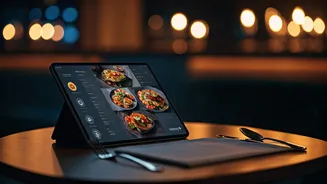


So, What Is Restaurant AI?
Forget clunky robots delivering soup. The reality of restaurant AI in 2026 is far more subtle and software-driven. It's the digital brainpower working behind the scenes, using technologies like natural language processing and machine learning to automate
tasks once handled exclusively by people. Think of it as a new team member that never sleeps, designed to make operations smoother. Major players like SoundHound and Presto are deploying AI that can answer phones, take complex orders, and even handle reservations. This technology integrates directly with a restaurant's point-of-sale (POS) system, sending your order straight to the kitchen just like a human employee would. The goal isn't to replace the human touch entirely, but to handle repetitive, high-volume tasks, freeing up staff to focus on in-person customer service and food quality.
The Drive-Thru Gets a Brain
The most visible place you'll encounter this technology is the drive-thru. Fast-food giants are actively testing and rolling out voice AI to take orders. These systems are designed to understand natural conversation, including accents, complex modifications, and background noise. For restaurants, the benefits are compelling: reduced wait times, higher order accuracy (some systems claim up to 98% accuracy), and consistent upselling. An AI never forgets to ask if you want fries with that, and data shows these automated suggestions can increase the average order value significantly. Companies have found that this automation reduces the workload on employees, who are often juggling multiple tasks during peak hours.
Your New Personalised Waiter
Beyond the drive-thru, AI is becoming a powerful tool for personalisation. By analysing your past orders and preferences, restaurant apps and websites can now offer tailored recommendations and promotions. This data-driven approach helps restaurants predict what you might like, creating a more individualised experience that can increase customer loyalty. Some systems are even enabling dynamic pricing, where menu prices might subtly adjust based on demand, time of day, or ingredient availability, similar to how ride-sharing apps work. This allows eateries to run targeted promotions during slow periods to attract more customers, making their marketing spend more efficient.
The View From the Kitchen
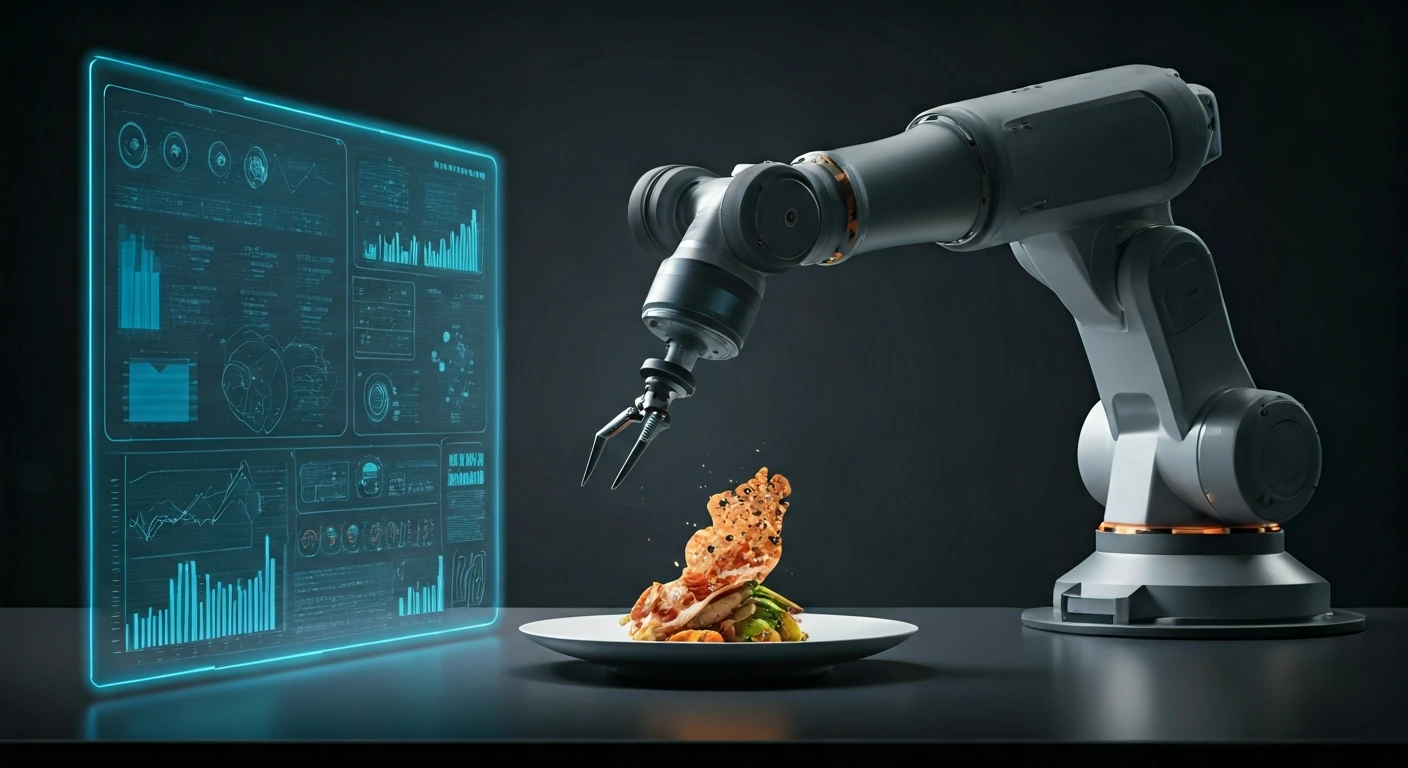
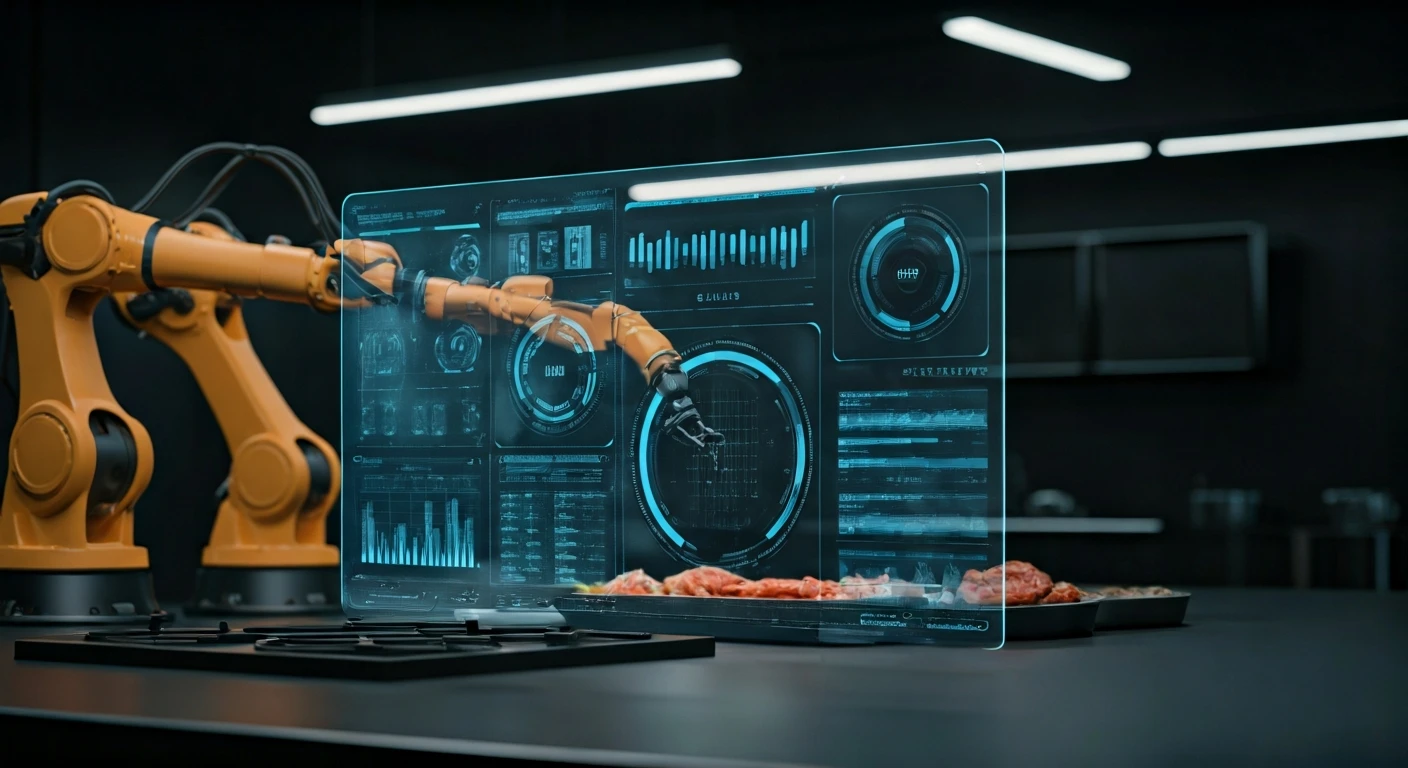
AI's influence extends deep into the back-of-house. Kitchens are becoming smarter, with AI systems helping to streamline the entire food preparation process. By analysing order data, AI can optimise kitchen workflows and even guide robotic arms performing repetitive tasks like flipping burgers. More importantly, predictive analytics help chefs and managers with demand forecasting. These systems analyse historical sales data, weather patterns, and local events to predict how busy the restaurant will be, ensuring they have the right amount of ingredients on hand. This significantly reduces food waste, a major cost for the industry, and helps prevent running out of popular items.
Is This a Good Thing?
The rise of AI in restaurants is driven by pressing industry challenges, including persistent labour shortages and rising operational costs. Automation promises efficiency, cost savings, and a more consistent customer experience. However, it also raises important questions. The upfront investment can be substantial, and there's the risk of losing the personal touch that many diners value. Concerns about job displacement are also valid, though many experts argue that AI will shift human roles rather than eliminate them entirely. Instead of taking orders, staff may focus more on hospitality, quality control, and handling complex customer issues that an AI can't. The technology is also not without its growing pains; one prominent AI company faced scrutiny for making misleading claims about its technology's capabilities and reliance on human intervention.