

The Grand Reopening Post-Monsoon
The most significant reason for the November rush is simple: the parks are open again. Most core zones of Central India's national parks and tiger reserves, including famous ones like Kanha, Bandhavgarh, and Pench, remain closed to tourists from July
through September. This mandatory closure allows the forest ecosystems to rejuvenate during the heavy monsoon rains and provides a crucial, undisturbed breeding period for many species. Roads and safari tracks, often damaged by the downpour, are repaired during this time. While some parks begin a phased reopening in October, November marks the first full month of unrestricted access to these newly refreshed wilderness areas, creating a huge pent-up demand from enthusiasts who have waited for months.
A Perfect Weather Window
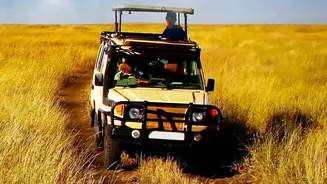
November ushers in what many consider the most pleasant weather of the year for exploring the region. The intense heat of the summer has long passed, and the heavy monsoon rains have subsided, leaving behind clear skies and comfortable temperatures. The average temperature across states like Madhya Pradesh hovers in a delightful range, making both early morning and afternoon safaris enjoyable without the extremes of winter's chill or summer's scorch. This comfortable climate allows visitors to spend extended hours in open safari vehicles, fully immersing themselves in the experience without battling harsh weather, making it ideal for families and photographers alike.
Lush Landscapes and Golden Light
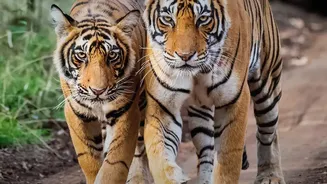
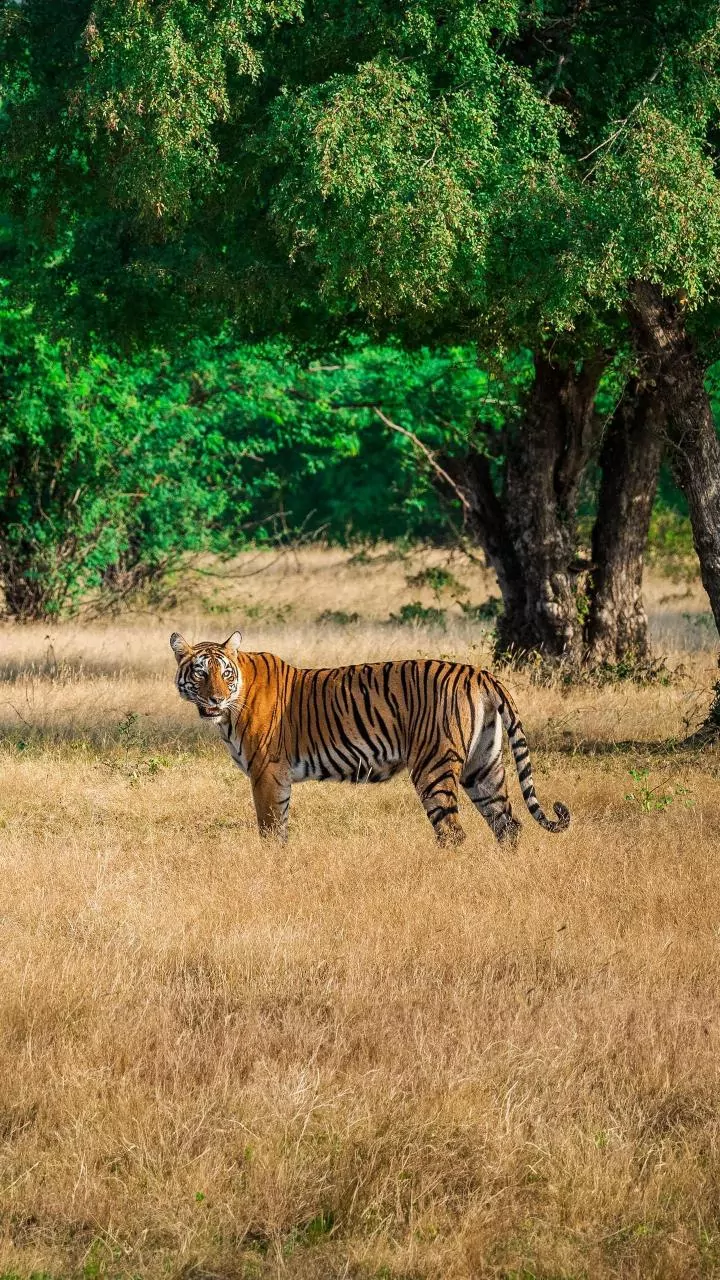
For photographers and nature lovers, November offers a visual feast. The monsoon transforms the dry, deciduous forests into lush, emerald landscapes. The vegetation is at its thickest, water bodies are full, and the entire forest feels vibrant and alive. While the dense foliage can sometimes make spotting animals slightly more challenging compared to the dry summer months, the trade-off is the sheer beauty of the environment. The soft, golden light of the late autumn sun filtering through the green canopy creates a magical atmosphere. This stunning contrast of a tiger's bright orange coat against the rich green backdrop is a dream shot for any wildlife photographer.
Increased Animal Activity
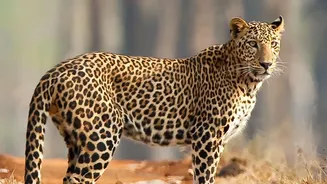
The cooler temperatures in November mean that animals, including the often-elusive tigers and leopards, are more active throughout the day. Unlike the peak summer months when wildlife retreats to the shade during the scorching midday heat, November sees them basking in the pleasant sun and moving about more freely. While water is still abundant post-monsoon, sources begin to gradually recede as the month progresses, starting to concentrate animals in more predictable locations. This period also coincides with the arrival of various migratory bird species, adding another layer of richness to the biodiversity on display for birdwatchers.
The Holiday Season Advantage
The timing of the safari season's peak aligns perfectly with India's major festive and holiday calendar. Diwali, one of the country's biggest festivals, often falls in October or November. Many families and working professionals use the holidays that follow for travel. This cultural rhythm, combined with school holidays, means that a wildlife trip becomes a popular vacation choice. With the parks newly opened and the weather being ideal, it presents a perfect opportunity for a family getaway or an adventure trip before the end-of-year rush, leading to a surge in bookings for safaris and accommodations.