




Why Monsoon Water is Risky
During the monsoon, the risk of water contamination skyrockets. Heavy rainfall can cause sewage systems to overflow and mix with groundwater, while runoff from cities and villages carries animal and human waste into rivers and pipelines. [2, 4, 11] This
creates a perfect breeding ground for dangerous microorganisms. Even municipally treated water can become contaminated as it travels through old or damaged pipes that may have developed cracks. [11] The result is a sharp increase in water-borne diseases, which account for a majority of illnesses in India during this season. [2, 7] Common monsoon infections include cholera, typhoid, jaundice (Hepatitis A), gastroenteritis, and dysentery, which can cause severe symptoms and, in some cases, become life-threatening. [4, 7, 10]
Boiling: The Gold Standard of Purification
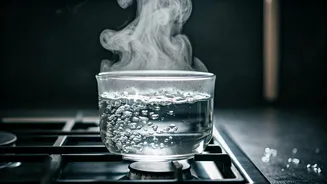
Boiling is the most reliable and effective method to make water biologically safe to drink. [11] The process is simple: heating water to its boiling point of 100°C (212°F) kills virtually all disease-causing bacteria, viruses, and parasites that may be present. [8, 11] This includes the pathogens responsible for common monsoon ailments like Vibrio cholerae (cholera), Salmonella typhi (typhoid), and Hepatitis A virus. [2, 11] Unlike other methods, boiling is not dependent on electricity or expensive replacement parts, making it accessible to everyone. The World Health Organization (WHO) and the CDC confirm that boiling is the surest way to disinfect water, offering a crucial layer of protection when water quality is uncertain. [11, 15]
How to Boil Water Correctly
Simply bringing water to a simmer is not enough. To ensure it is safe, you must bring the water to a full, rolling boil. [5, 14] This means bubbles are breaking the surface continuously and vigorously. [5] Let it maintain this rolling boil for at least one full minute. [6, 14, 15] For those living at higher altitudes (above 5,000 feet), the boiling time should be increased to three minutes, as water boils at a lower temperature in such locations. [3, 5, 15] After boiling, turn off the heat and let the water cool down naturally while keeping it covered to prevent any airborne contaminants from falling in. [3, 6] If you find the taste flat, you can improve it by pouring the water back and forth between two clean containers to re-aerate it, or by adding a tiny pinch of salt. [6, 15]
What About Water Purifiers?
Modern water purifiers, such as those using Reverse Osmosis (RO) or UV technology, are excellent for removing impurities like heavy metals, chemicals, and dissolved solids. [24, 25] However, they have limitations, especially during the monsoon. A sudden surge in water contamination can overload the filters, and UV lamps can lose their effectiveness over time without you knowing. [11] Furthermore, these devices rely on a steady electricity supply, which can be unreliable during monsoon storms. [11] Therefore, even if you have a purifier, health experts often recommend boiling the purified water as an additional safety measure during this high-risk season. [11] Think of it as a two-step process: the purifier removes chemical contaminants, and boiling eliminates any biological threats that might have slipped through. [11]
Safe Storage and Other Precautions
Purifying your water is only half the battle; storing it correctly is just as important. Always store boiled water in clean, sanitized containers with tight-fitting lids to prevent re-contamination. [3, 6] It's also vital to extend this water discipline beyond just drinking. Use boiled or safely purified water for all food preparation, including washing vegetables and cooking rice or dal. [14, 20] Additionally, use this safe water for brushing your teeth and for preparing beverages like juice or ORS. [6, 22] Avoiding water from outside sources, especially from street vendors, is a critical step in staying healthy. [4, 19] Finally, practicing good personal hygiene, like washing hands frequently with soap, adds another strong layer of defense against monsoon infections. [19, 20]