








A Tale of Three Birth Methods
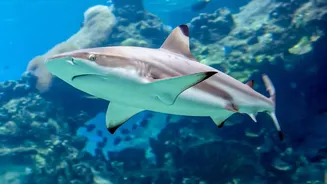
When we think of shark births, we might picture miniature predators emerging live from their mothers. While that's true for many species, it's far from the whole story. Shark reproduction is incredibly diverse and generally falls into three categories.
Viviparous sharks give birth to live young that have been nourished through a placenta, much like mammals. Ovoviviparous species also have live births, but the pups develop inside eggs within the mother's body, feeding on the yolk until they hatch internally and are then born. But about 40% of shark species are oviparous, meaning they lay eggs. These are the sharks that produce the fascinating protective cases that have captured human imagination for centuries.
The 'Mermaid's Purse' Explained
The tough, leathery pouches found on beaches are scientifically known as egg cases, but are more famously called 'mermaid's purses'. These cases are made of collagen and keratin, the same fibrous protein that makes up our hair and fingernails. This material creates a durable yet flexible shell that acts as a mobile life-support system for a single developing shark embryo. Inside, the embryo is attached to a yolk sac, which provides all the nourishment it needs for the long development period, which can last anywhere from a few months to over a year, depending on the species and water temperature. The case itself has slits that allow oxygenated water to flow through, an essential feature for the embryo's survival.
Why the Weird and Wonderful Shapes?
The 'unusual' shapes of these egg cases are a masterclass in functional design, adapted perfectly to the shark's environment. Many, like those from Catsharks, have long, curly tendrils at each corner. The female shark will swim around seaweed or coral, wrapping these tendrils to securely anchor the egg case and prevent it from being washed away by currents. Other species have cases with four stiff, pointed horns that help lodge them into soft sediment on the seafloor. Perhaps the most bizarre belongs to the Horn shark (also known as the Bullhead shark). Its egg case is a large spiral, shaped like a corkscrew. This ingenious design allows the mother to wedge the case firmly into rocky crevices, making it extremely difficult for predators to dislodge and access the embryo inside.
Meet the Egg-Laying Sharks
The strategy of laying eggs is common among smaller, bottom-dwelling sharks. This group includes a wide variety of species found across the globe. The Catsharks are a large family of oviparous sharks, known for their tendril-equipped egg cases. Other notable egg-layers include Bamboo sharks, Zebra sharks, and Swell sharks. The Port Jackson shark, a relative of the Horn shark found in Australian waters, also lays a distinctive spiral-shaped egg. Even some related species, like skates and chimaeras (or ghost sharks), lay egg cases, each with their own unique shapes and features tailored to their specific habitats.
A Vulnerable Beginning
Laying an egg case is a significant energy investment for the female shark, who spends time finding a safe and secure location to deposit her future offspring. Once laid, however, the embryos are on their own. The tough case provides crucial protection, but the eggs are still vulnerable. Predators like sea snails, crabs, and even other fish may try to bore through the casing to get to the nutritious yolk inside. If the egg case survives the long incubation period, the fully developed pup will eventually emerge from a small opening, looking like a perfect miniature of its parents and ready to begin its independent life in the vast ocean.