



The Kitchen You Can’t See
The magic behind this burgeoning trend is the 'cloud kitchen' — also known as a dark or ghost kitchen. It’s a restaurant with no dining space, no storefront, and no physical presence for customers. These are commercial kitchens designed purely for online
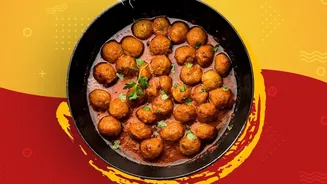
orders, fulfilled through aggregators like Swiggy and Zomato or their own websites. This model significantly lowers the formidable start-up costs associated with a traditional restaurant, as entrepreneurs save on rent for prime locations, decor, and front-of-house staff. The 'micro' aspect often refers to even smaller, sometimes home-based operations, where passionate individuals or families can launch a food business with a much lower initial investment, often estimated to start around Rs. 5 lakh.
A Culinary Map Unfurls
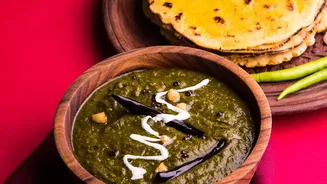
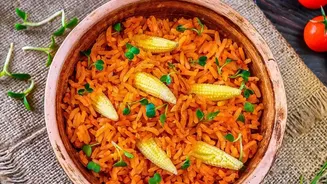
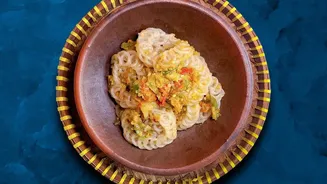
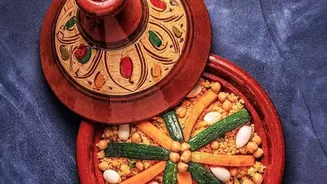
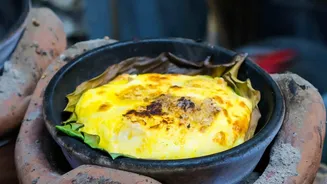
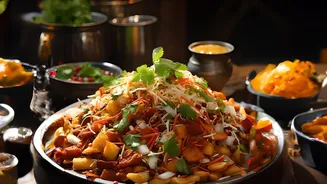
For years, mainstream Indian dining in metro cities revolved around a few popular regional cuisines. However, there's a growing appetite for something more. Diners, especially younger generations, are increasingly curious, seeking authentic experiences that go beyond the familiar. This curiosity has paved the way for hyper-regional cuisines to find a new audience. Suddenly, dishes from Nagaland, Odisha, Jharkhand, and Meghalaya are just a click away. Cloud kitchens like Rosei Ghara in Delhi, which specializes in homestyle Odia food, or Bamboo Hut, a delivery-only Naga kitchen, are finding a receptive audience eager to explore flavours shaped by unique geography and cultural practices. These ventures are proving that there is a significant demand for meals that tell a story.
Food as Cultural Storytelling
These micro-kitchens are doing more than just selling food; they are acting as digital archives for culinary heritage. Many tribal recipes, shaped by scarcity and an intimate knowledge of nature, are passed down orally and rarely documented in mainstream cookbooks. Every dish, from a smoky pork and bamboo shoot curry from Nagaland to a simple yet flavourful Santhal dish from Jharkhand, carries a piece of cultural identity. These meals offer a form of culinary travel, allowing city dwellers to experience the forests of central India or the hills of the Northeast without leaving home. For the entrepreneurs, many of whom are home cooks or members of these communities, it’s a way to share and preserve their heritage with pride.
From Home Cooks to Entrepreneurs
The cloud kitchen model has been a democratizing force in the food industry. It provides a platform for talented home cooks to turn their passion into a viable business, bypassing the high risks of a brick-and-mortar restaurant. This is particularly significant for women, who, through initiatives like the one between IHCL and the Tata Steel Foundation, are finding sustainable livelihoods by sharing their traditional cooking skills. By handling the logistics of delivery, platforms empower these chefs to focus on what they do best: cooking authentic, high-quality food. The result is a celebration of community and culture, where every meal is a direct connection to a culinary expert's heritage.
Navigating the Digital Foodscape
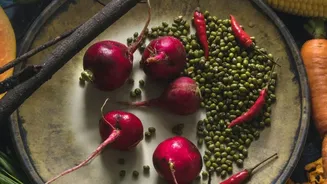
The path for these micro-ventures is not without its challenges. Competition on food delivery apps is intense, where they vie for attention against hundreds of other brands. Dependence on these platforms also means giving up a commission on each order, which can range from 18-30%. Another significant hurdle is sourcing authentic, indigenous ingredients like Manipuri black rice or the fiery Bhut Jolokia chilli, which are not readily available in urban markets. Maintaining the authenticity and quality of food during delivery is another complex task. Despite these obstacles, the trend shows no signs of slowing down, as the demand for unique and genuine food experiences continues to grow.