



The Problem with Processed Oils
For decades, the standard cooking medium in many homes has been refined vegetable oil. These oils are produced using industrial methods that often involve high heat and chemical solvents to extract the maximum amount of oil from seeds. This process, which
includes bleaching and deodorising, results in a neutral-flavoured oil with a long shelf life and a high smoke point. However, this efficiency comes at a nutritional cost. The high temperatures and chemical treatments can strip the oil of its natural vitamins, antioxidants, and beneficial micronutrients. Worse, this intensive processing can sometimes create unhealthy trans fats, which are linked to negative health outcomes like increased bad cholesterol.
The Cold-Pressed Difference
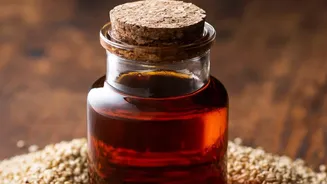
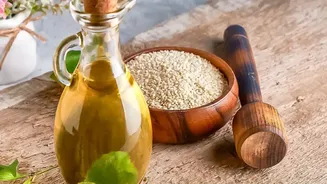
In stark contrast, cold-pressed oil, known traditionally in India as 'chekku' or 'ghani' oil, is extracted using a simple, mechanical method. Sesame seeds are crushed, often in a wooden press, at a low temperature—typically below 40-45°C. This gentle process doesn't use any external heat or chemicals. The result is an oil that is less processed and much closer to its natural state. Because it hasn't been heated, bleached, or refined, it retains the inherent nutrients, colour, and robust, nutty aroma of the sesame seeds themselves. This method preserves the good stuff: the vitamins and powerful antioxidants that are otherwise lost during industrial refining.
A Boost for Flavour and Aroma
One of the most immediate differences home chefs notice is the flavour. While refined oils are deliberately neutral, cold-pressed sesame oil brings its own distinct, earthy, and nutty character to a dish. In South India, where it's known as gingelly or 'nalla ennai', it's not just a cooking medium but a flavouring agent in its own right. It’s the preferred oil for mixing with 'milagai podi' (gunpowder) to serve with idlis and dosas, for making traditional tamarind-based curries like 'puliyodarai' and 'kuzhambu', and for preserving pickles. Its authentic taste elevates simple dishes, providing a depth that a flavourless refined oil simply cannot match.
Superior Nutritional Profile
The primary driver for many making the switch is health. Cold-pressed sesame oil is a powerhouse of nutrition. It is rich in heart-healthy monounsaturated and polyunsaturated fats, which can help manage bad cholesterol (LDL) levels. It's also packed with natural antioxidants, notably sesamol and sesamin, which help protect the body's cells from damage. Furthermore, it retains more Vitamin E and other essential nutrients compared to its refined counterpart. These compounds have anti-inflammatory properties and support overall wellness, from heart health to skin nourishment.
How to Use It in Your Kitchen
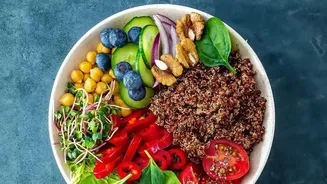
Incorporating cold-pressed sesame oil is simple, but it helps to know its ideal uses. Due to its lower smoke point (around 177°C) compared to refined oils, it is best suited for low to medium-heat cooking. It's perfect for sautéing vegetables, tempering spices for dal or chutney, and as a finishing oil drizzled over dishes for a burst of flavour. While it might not be the best choice for deep-frying, which requires a higher smoke point, it excels in preparations where its flavour can shine. Many cooks use it for light stir-frying or simply as a flavourful dressing for salads and cooked grains.