





The Evolution of Everyday Elegance
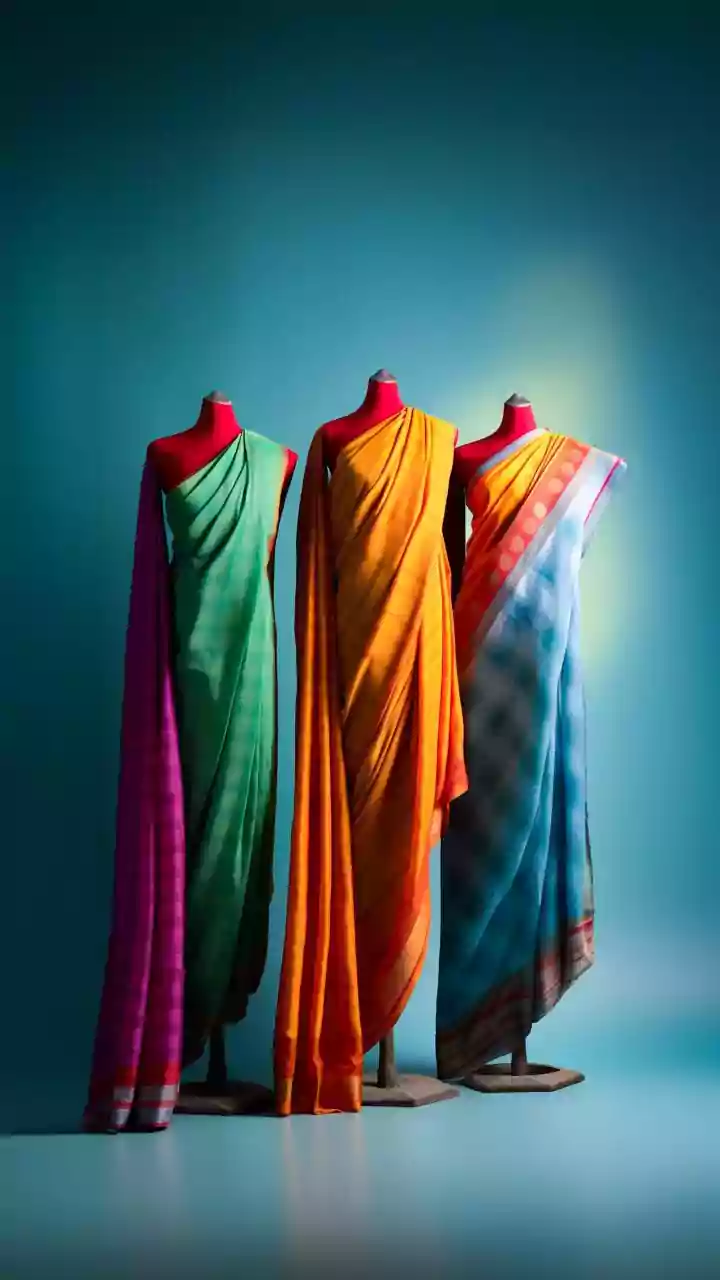
Fusionwear is no longer just about pairing a kurta with jeans. Today, it represents a thoughtful blend of traditional Indian aesthetics with modern, functional silhouettes. Think pre-draped sarees with trouser-like bottoms, tailored jumpsuits made from
handloom fabrics, and chic co-ord sets featuring ethnic motifs. This evolution is driven by the dynamic lives of urban Indians who need clothing that transitions seamlessly from a formal meeting to a social gathering. It's a style that champions versatility and cultural pride, allowing for personal expression while navigating the demands of a fast-paced environment. Designers are reimagining classic garments, creating pieces that are both rooted in heritage and designed for contemporary life.
The 'Rain-Smart' Revolution
The biggest challenge during monsoon is staying dry without sacrificing style. Heavy cottons absorb water and take hours to dry, while pure silks can be permanently damaged by water spots. The new generation of fusionwear tackles this head-on with innovative, 'rain-smart' fabrics. While traditionally, quick-drying synthetics like polyester georgette and crepe were the go-to for practical monsoon wear, they often lack breathability in humid conditions. The new innovation lies in blending natural fibres and developing advanced textiles. Look for cotton-linen blends, which offer the breathability of cotton but dry faster thanks to the linen content. Another star is Tencel, a fabric made from wood pulp in a closed-loop process. It's exceptionally good at managing moisture, drying quickly without feeling heavy or damp, making it ideal for high-humidity conditions.
A Conscious Closet for All Seasons
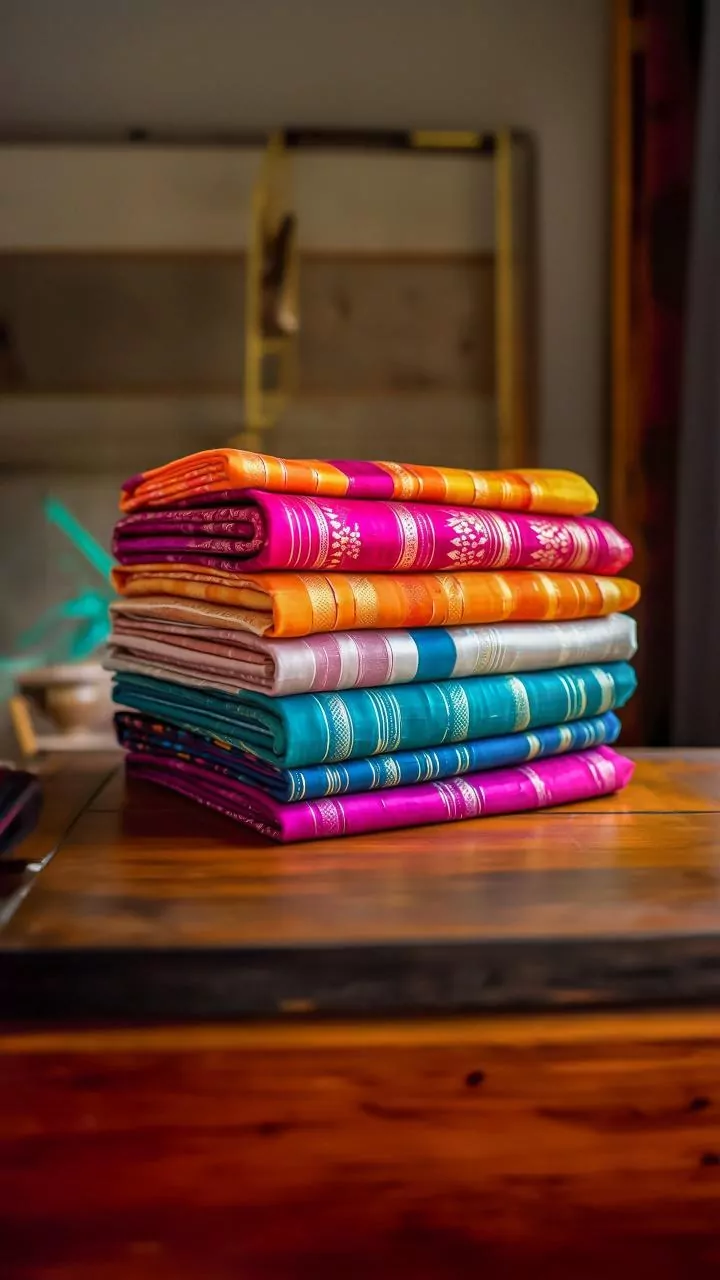
Beyond just surviving a downpour, the new fusionwear movement is deeply rooted in sustainability. This shift is a response to a growing consumer awareness, where shoppers seek clothes that are not only stylish but also kind to the planet. Many brands are now championing eco-friendly materials and ethical production. Organic cotton, grown without harmful pesticides, is a popular choice for its softness and breathability. Hand-spun and hand-woven Khadi is also making a major comeback, celebrated for its minimal carbon footprint and its ability to keep the wearer cool in humidity. Some forward-thinking brands are even experimenting with recycled polyester, made from PET bottles, and upcycling factory waste to create unique, zero-waste garments. This focus on sustainability extends to supporting artisan communities and preserving traditional weaving and dyeing techniques.
What to Look For When You Shop
When building your rain-smart, sustainable wardrobe, focus on fabric and silhouette. For everyday wear, seek out kurtas and dresses in Tencel, bamboo blends, or fine cottons that are lightweight and dry quickly. For office or semi-formal occasions, a cotton-linen blend kurta or a relaxed co-ord set provides a polished look that can withstand a sudden shower. Instead of heavily embroidered pieces that can be ruined in the rain, opt for garments with vibrant prints or minimal threadwork. Look for relaxed silhouettes like A-line kurtis, flared skirts, and wide-leg pants that allow for better airflow and prevent clinging in damp weather. Many contemporary brands now clearly label their sustainable collections, making it easier to identify pieces made from organic cotton, recycled materials, or other eco-friendly fabrics.