


The Core Idea: Thinking in Three Dimensions
For too long, we’ve thought of our homes in terms of floor area. Every square foot is precious, often leaving no room for luxuries like large potted plants. This is where vertical gardening changes the game. The fundamental lesson is to shift your perspective
from a two-dimensional floor plan to a three-dimensional living space. Your walls, balconies, and even ceilings are blank canvases waiting to be filled with life. By drawing the eye upward, you not only unlock unused real estate for greenery but also create an illusion of height and spaciousness. This isn't just a gardening hack; it's a design principle that applies to everything from storage to decor. It's about seeing the potential in overlooked planes and transforming them into functional, beautiful features.
More Than Just Saving Space
While maximizing space is the most obvious advantage, the benefits of going vertical are far-reaching. A living wall can become a dynamic piece of art, transforming a dull corner into a stunning focal point. Plants are natural air purifiers, and a dense vertical garden can significantly improve indoor air quality by filtering toxins and balancing humidity. There’s also a wellness component; interacting with plants reduces stress and boosts well-being. Furthermore, vertical systems often make gardening more accessible. With plants at eye level, tasks like watering, pruning, and harvesting become much easier, especially for beginners or those with mobility challenges. Improved air circulation around the plants can also lead to healthier growth and fewer pest problems.
Simple Ways to Get Started
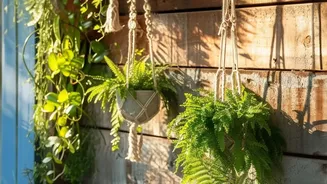
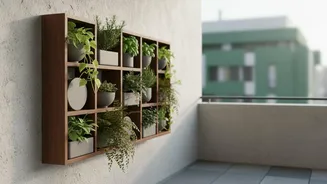
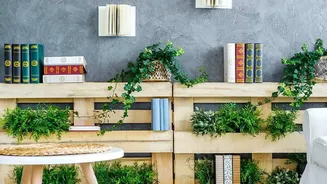
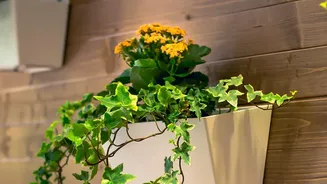
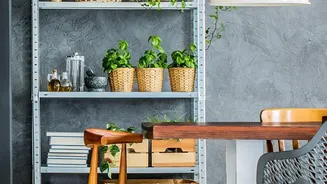
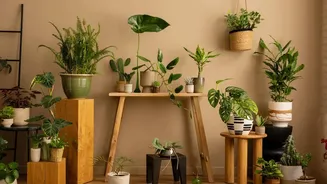
You don’t need an elaborate, custom-installed system to embrace vertical gardening. The beauty of this trend lies in its scalability. You can start small and simple. Hanging planters are a classic choice, using ceiling space to showcase trailing plants like Pothos or Spider Plants. Wall-mounted shelves or even a repurposed ladder can create a tiered display for a collection of smaller pots. For balconies, railing planters are perfect for adding colour without sacrificing floor space. Another popular option is using a trellis to support climbing plants, effectively creating a green screen for privacy or to hide an unappealing view. DIY solutions, such as converting wooden pallets or using modular pocket planters, offer a budget-friendly way to experiment.
Choosing the Right Plants for the Job
The success of a vertical garden depends heavily on selecting the right plants. Look for varieties with compact growth habits and relatively shallow root systems. For Indian homes, many popular indoor plants are perfect candidates. Pothos (Money Plant) is a beginner-friendly favourite that trails beautifully. Ferns thrive in shaded spots, adding a soft, lush texture. For sunny balconies, herbs like mint and basil can be grown in wall planters, providing fresh ingredients for your kitchen. Succulents are another excellent choice for sun-drenched walls, as they are drought-tolerant and require minimal care. When planning, consider the light and humidity of your chosen location. Grouping plants with similar needs will make maintenance much simpler.
Applying the Design Lesson
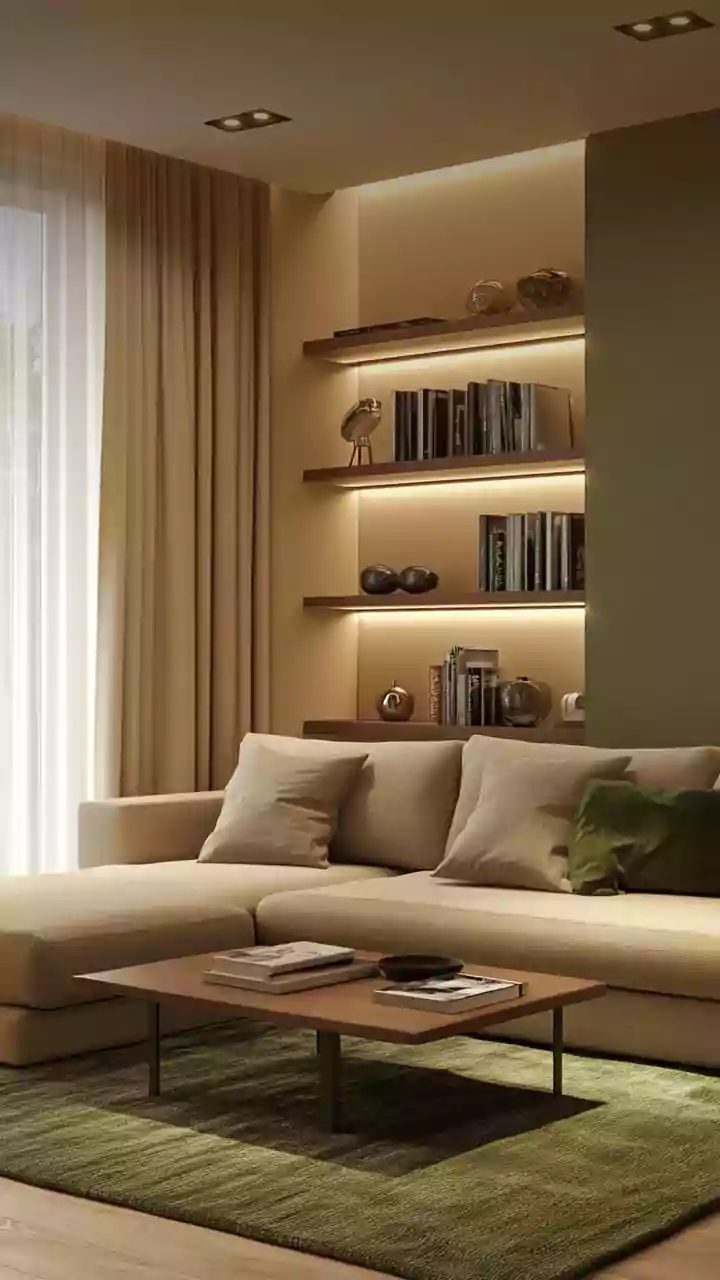
Ultimately, using vertical space for plants is about smart design. Think like an interior designer. Use a lush living wall to create a dramatic accent in your living room. Arrange hanging planters at different heights to create depth and visual interest. Use a tall, trellised plant to act as a natural room divider, separating your workspace from your relaxation area. The textures and colours of the foliage become part of your home's decor palette. A vertical herb garden in the kitchen is not only practical but also adds a rustic, organic charm. The lesson is to integrate greenery into the very structure of your home, making it a living, breathing element of your design rather than just an afterthought sitting on the floor.