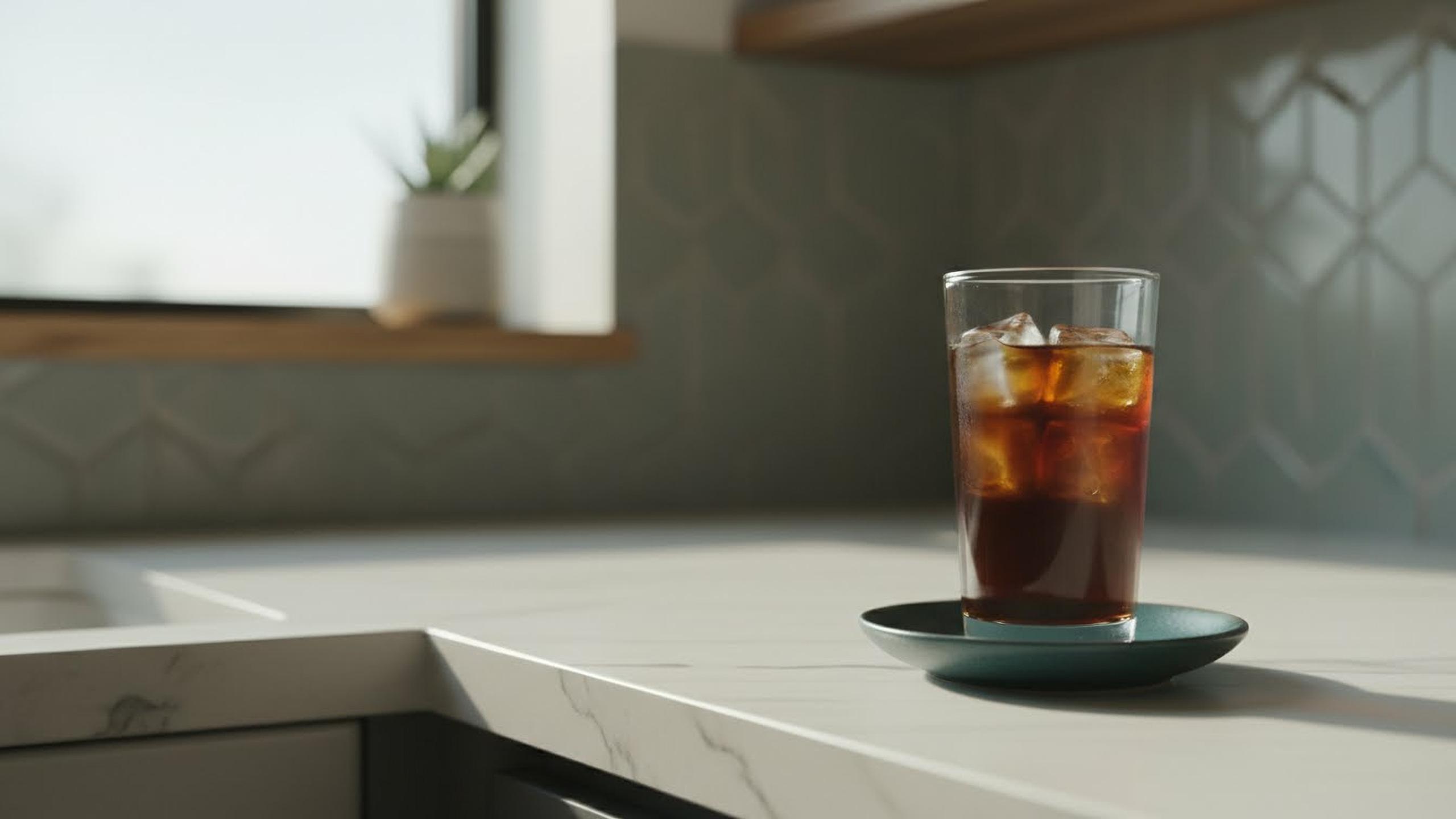




What Is Cold Brew, Really?
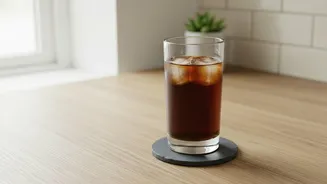
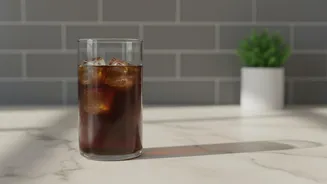
First, let's clear up a common misconception: cold brew is not the same as iced coffee. Iced coffee is typically brewed hot and then cooled down, often by pouring it over ice. This process can result in a more acidic and sometimes bitter taste. Cold brew,
on the other hand, is made by steeping coffee grounds in cold or room-temperature water for an extended period, usually 12 to 24 hours. This slow, gentle infusion pulls out the sweet, rounded flavours from the beans while leaving behind many of the bitter compounds and acids that hot water extracts. The result is a naturally sweeter, incredibly smooth coffee concentrate that's easier on your stomach and tastes less acidic.
Gather Your 'No-Equipment' Gear
The beauty of this method is its simplicity. You likely have everything you need already. Forget the specialized cold brew towers and pitchers with built-in filters. All you need is a large container for steeping, something to strain the coffee with, and a vessel for storage. A large glass Mason jar, a pitcher, or even a French press will work perfectly for brewing. For straining, you have several options: a fine-mesh sieve lined with cheesecloth or a standard paper coffee filter is a great DIY method. If you own a French press, its built-in plunger does the straining for you, making it one of the easiest all-in-one tools for the job.
The Right Coffee and The Perfect Grind
While the equipment is simple, your choice of coffee and the grind size are crucial for success. You can use any coffee you enjoy, but medium to dark roasts with chocolatey or nutty notes tend to shine in a cold brew. The most important factor, however, is the grind. You must use a coarse grind. Think of the texture of coarse sea salt or raw sugar. A fine grind, like the kind used for drip coffee or espresso, will over-extract during the long steeping process, creating a bitter and muddy brew that's difficult to filter. A coarse grind allows for a slow, even extraction, which is the key to that signature cold brew smoothness. If you don't have a grinder, ask your local coffee shop to grind the beans for you, specifying it's for cold brew or a French press.
Finding Your Golden Ratio
The ratio of coffee to water determines the strength of your final brew. You're creating a concentrate that you will dilute later, so it needs to be strong. A great starting point is a 1:4 or 1:5 ratio of coffee to water by weight. If you don't have a kitchen scale, a volume-based ratio also works well. A common recommendation is to use about 1 cup of coarsely ground coffee for every 4 cups of cold, filtered water. Don't stress about getting it perfect on the first try; cold brew is forgiving. You can start with this ratio and adjust future batches to be stronger or weaker based on your preference.
The Art of the Slow Steep
Now for the easiest part: waiting. Combine your coarse coffee grounds and cold water in your jar or pitcher. Give it a gentle stir to ensure all the grounds are saturated. Then, cover the container and let it steep. You can do this at room temperature or in the refrigerator. Steeping at room temperature is faster, typically taking between 12 and 18 hours. Brewing in the fridge slows the extraction, requiring around 18 to 24 hours. Many brewers find the 12-18 hour mark to be the sweet spot for a balanced, smooth flavour without any bitterness. Experiment to see what you prefer; a longer steep will generally result in a stronger, bolder concentrate.
Strain for Ultimate Smoothness
Once your brew has steeped, it's time to separate the coffee concentrate from the grounds. If you used a French press, simply press the plunger down slowly and pour the liquid into a storage container. If you used a jar, set a fine-mesh sieve over a large bowl or pitcher. For an even cleaner result, line the sieve with a couple of layers of cheesecloth or a paper coffee filter. Slowly pour the coffee mixture through the filter. Be patient and let gravity do the work. Avoid pressing or squeezing the grounds, as this can push bitter sediment into your final product. Discard the grounds, and you're left with pure, smooth cold brew concentrate.