

The Secret to Saffron: Always Bloom It
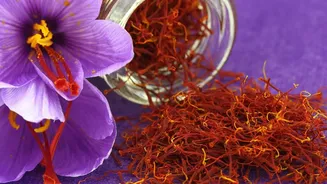
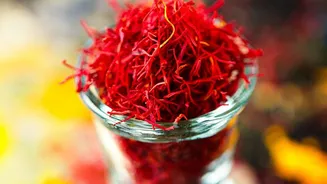
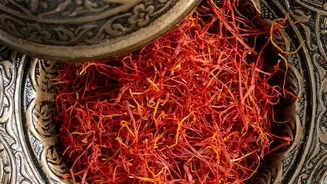
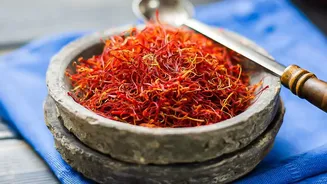
The single most important step to unlocking saffron’s magic is to bloom it. Sprinkling dry threads directly into your dessert will result in uneven flavour and weak colour. Saffron's key compounds—crocin for colour, picrocrocin for taste, and safranal
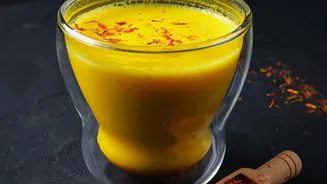
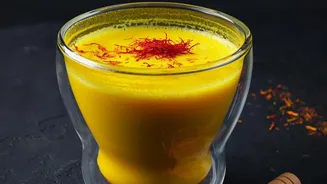
for aroma—are water-soluble and need time to be released. To do this, gently crush a pinch of saffron threads with your fingers or in a mortar. Then, soak them in a few tablespoons of warm—not boiling—liquid like milk or water for at least 15-20 minutes. Boiling liquid can destroy the delicate aromatic compounds, so aim for a temperature that is just warm to the touch. This simple technique ensures the flavour and golden hue distribute evenly throughout your dish.
Perfect Pairings: Flavours That Love Kesar
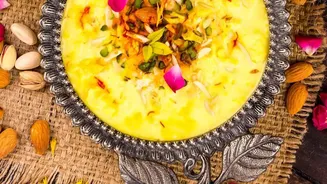
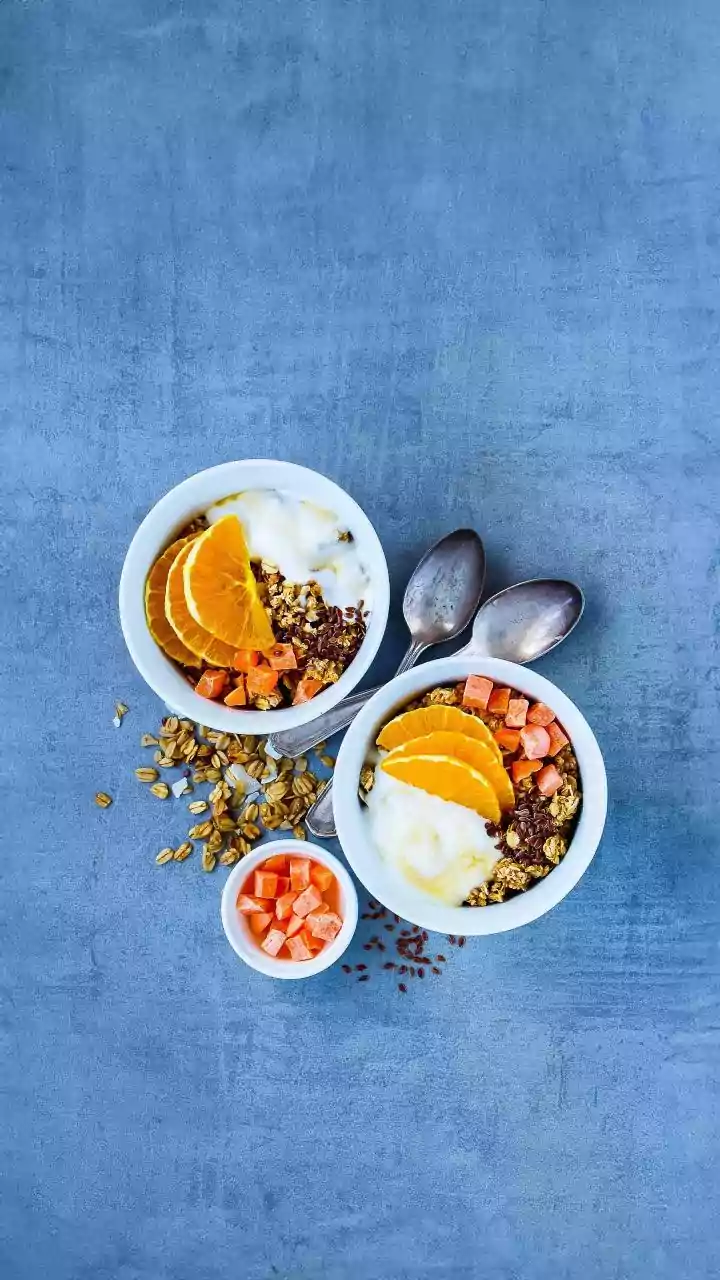
Saffron has a complex flavour profile that is floral, earthy, and subtly honey-like. It pairs beautifully with ingredients that complement its warmth without overpowering it. Milk and cream are classic partners, as their fat content helps carry saffron’s aroma in sweets like kheer, rabri, and kulfi. Cardamom is another natural companion, its sweet and floral notes creating a classic combination found in countless mithai. Nuts, especially pistachios and almonds, provide a wonderful textural contrast and nutty richness that grounds saffron’s ethereal flavour. For a brighter touch, citrus fruits like orange and lemon can cut through the richness and sharpen saffron's notes.
Elevating the Classics
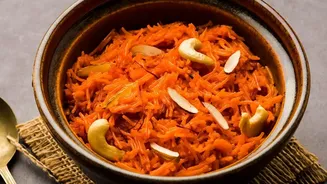
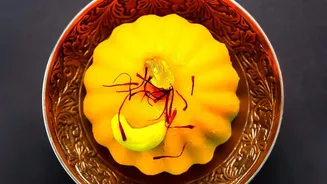
Many beloved Indian desserts owe their signature character to kesar. In a creamy Rice Kheer or Phirni, saffron-infused milk turns the pudding a beautiful shade of gold and adds an unmatched fragrance. For Rasmalai, the soft chenna patties are soaked in a luxurious milk bath made rich and aromatic with saffron. Kesar Peda, a soft, fudge-like sweet, gets its distinctive flavour and colour from saffron bloomed in milk before being cooked with khoya or milk powder. Even a simple Shrikhand, made from hung curd, is transformed into a royal treat with the addition of saffron, cardamom, and nuts.
Modern Twists and Fusion Ideas
The timeless appeal of kesar extends beautifully to modern and fusion desserts. This trend often combines Indian flavours with Western dessert formats. A popular example is the Rasmalai Tres Leches cake, where a light sponge is soaked in saffron-infused milk, merging the essence of both desserts. You can infuse whipped cream with saffron to create a delicate Kesar Mousse or a topping for cupcakes. Other creative ideas include Kesar Panna Cotta, an Italian classic given an Indian twist, or even saffron-infused shortbread cookies. These creations show the versatility of saffron, proving it can be both a keeper of tradition and a source of modern culinary inspiration.
Common Mistakes to Avoid
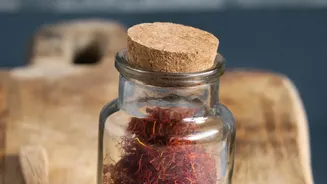
To ensure your efforts are rewarded, be mindful of a few common pitfalls. First, using too much saffron can make a dish taste bitter or medicinal; a small pinch is often all you need. As mentioned, never add the dry threads directly to your dish without blooming them first. Another mistake is adding the saffron too early in a long cooking process, which can cause its delicate aroma to dissipate. It is often best to add the saffron-infused liquid towards the end of cooking. Finally, invest in good quality saffron threads rather than powder, as powder loses its aroma faster and can be more easily adulterated.