


Why August Is Saturn's Time to Shine
While Saturn is a constant presence in our solar system, its visibility and brightness from Earth change throughout the year. This August, the planet is heading towards its annual opposition, which will occur on October 4. Opposition is the point in a planet's
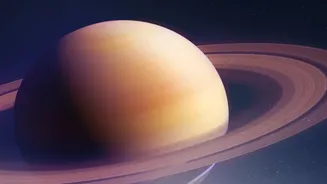
orbit when Earth passes directly between it and the Sun. Although the peak of this event is still a couple of months away, Saturn is already becoming progressively brighter and more prominent in our night sky. Think of it as a celestial headliner getting ready for the main event. All through August, Saturn will be rising earlier each night, making it an increasingly convenient and rewarding target for evening viewing. It appears as a bright, yellowish point of light that, unlike twinkling stars, shines with a steady and serene glow.
When and Where to Look
Finding Saturn this month is relatively straightforward. The planet is located in the constellation Pisces, a region of the sky that doesn't contain many other bright stars, making Saturn stand out. In early August, you'll need to wait until later in the evening, around 11 p.m. local time, for it to rise in the east. As the month progresses, it will appear progressively earlier, rising by 9 p.m. toward the end of August. For the best view, wait for it to climb higher above the horizon, away from the haze and obstruction of trees and buildings. After midnight, it will be well-positioned for observation for the rest of the night. On the evenings of August 30 and 31, the Moon will pass close to Saturn, making for a beautiful pairing and an easy way to locate the planet.
Naked Eye, Binoculars, or Telescope?
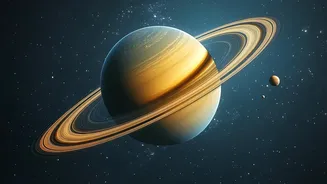
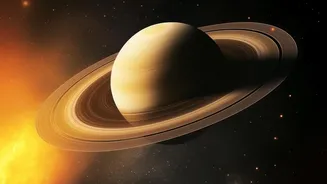
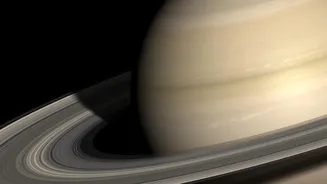
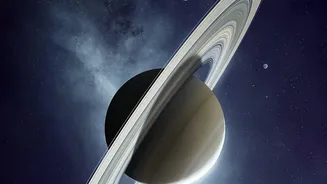
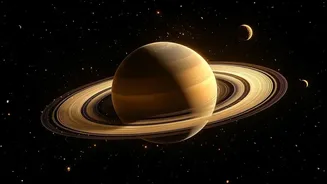
How you see Saturn depends entirely on your equipment, but everyone can get a look. To the naked eye, it will appear as a bright, non-twinkling star. If you have a pair of binoculars, you might be able to discern that it's not perfectly round, but rather has a slight oval shape—a hint of the magnificent rings. However, to truly see the rings, you'll need a telescope. Even a small, beginner telescope with a magnification of 25x to 50x can reveal the rings as a distinct structure separate from the planet itself. This year offers a particularly good view, as the rings are tilted towards us at a favorable angle after being nearly edge-on for the past couple of years. With a more powerful amateur telescope on a clear night, you might even spot the Cassini Division—a dark gap within the rings—or Saturn's largest moon, Titan, which looks like a tiny star very close to the planet.
Tips for the Best Viewing Experience
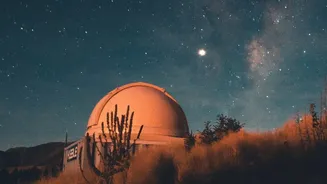
You don’t need a fancy observatory to enjoy the view. First, try to get away from bright city lights. The darker your surroundings, the more your eyes will adapt and the more you'll be able to see. Give your eyes at least 15-20 minutes to adjust to the darkness. Patience is key in stargazing. If you're using a telescope, allow it to cool down to the ambient outdoor temperature before you start observing; this prevents air currents inside the scope from distorting the image. You can use a stargazing app on your smartphone to help you pinpoint Saturn's exact location in Pisces. Look for a steady, golden dot that doesn't flicker like the stars around it. Then, simply take a moment to soak in the sight of a world some 1.2 billion kilometers away.