





Choose Your Luggage Wisely
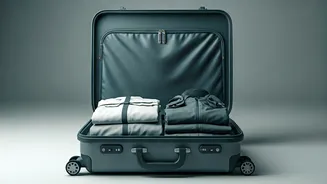
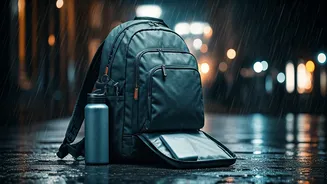
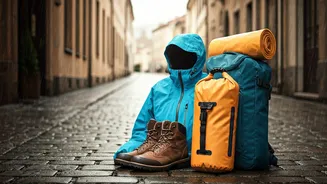
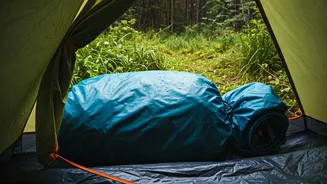
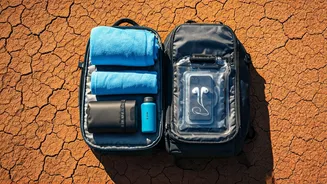
Your first line of defence against a downpour is a waterproof or highly water-resistant bag. While truly waterproof bags that can be fully submerged are great for extreme adventures, for most travel, a water-resistant suitcase or duffel bag is sufficient.
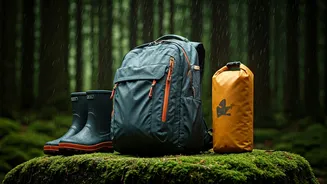
[2, 23] Look for materials like polyurethane-coated polyester or high-density nylon with coated zippers. [23, 24] A roll-top backpack or a duffel bag from brands known for weather-resistant gear can be a worthwhile investment. [25, 26] If you're using your existing luggage, a simple but effective hack is to use a waterproof rain cover for your backpack or suitcase. [11] For added protection, line your bag with a large, heavy-duty garbage bag before you start packing.
Fabric is Everything: What to Wear
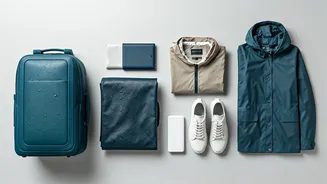
When it comes to clothing, leave the denim and heavy cottons at home. They absorb a lot of water and take ages to dry, which is a nightmare in humid conditions. [20] Instead, opt for lightweight, breathable, and quick-drying fabrics. Synthetics like polyester and nylon are excellent choices as they repel water and dry quickly. [7, 18, 20] Blends of cotton with polyester or rayon offer a good compromise, providing the comfort of cotton with faster drying times. [20] Linen and rayon are also great options due to their breathability and ability to dry faster than pure cotton. [7, 21] These fabrics prevent that sticky, uncomfortable feeling common in high humidity. [20]
The Footwear Dilemma Solved
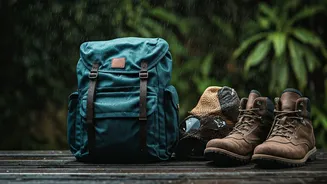
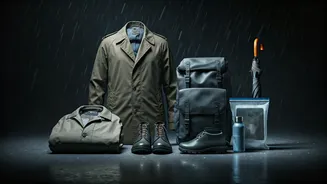
Wet feet are not only uncomfortable but can also lead to fungal infections. [5, 6] This makes choosing the right footwear crucial. Leather and suede shoes are a definite no, as water will ruin them. [11] Instead, pack rubber-based footwear like floaters, flip-flops, or waterproof sandals that can handle mud and water. [11] Gumboots are another fantastic option, especially if you anticipate walking through waterlogged areas. [6, 9] For more active trips, look for waterproof, anti-skid sneakers or hiking shoes that offer good grip on slippery surfaces. [9, 16] Always pack an extra pair of quick-drying socks for every day of your trip.
Protect Your Precious Electronics
Water and electronics are a disastrous mix. To keep your phone, camera, and chargers safe, invest in good quality waterproof cases or dry bags. [14, 22] Even simple zip-seal plastic bags can offer a basic layer of protection for smaller items during a sudden shower. [4, 8] For extra security, you can 'double bag' your electronics by placing them in a waterproof pouch and then inside a designated dry section of your main luggage. [19] Humidity can also cause damage through condensation, so packing a few silica gel packets with your electronics can help absorb excess moisture. [10]
Build a Monsoon-Ready Health Kit
The rainy season often brings an increase in mosquitoes and waterborne illnesses. [11, 13] Your travel health kit should be adapted accordingly. A strong insect repellent is non-negotiable. [3, 4, 11] Also pack essentials like antiseptic liquid, band-aids for any cuts or scrapes, anti-fungal powder to prevent skin infections, and basic medications for fever, colds, and stomach upsets. [6, 11, 13] It's also wise to carry your own water bottle and either use a purifier or stick to sealed, packaged drinking water to avoid contamination. [6, 15]
Don't Forget These Small But Mighty Extras
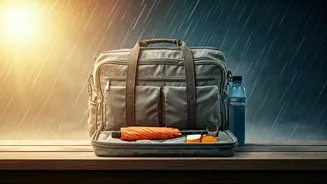
A few small items can make a huge difference. Pack a compact, quick-drying travel towel, as hotel towels can be slow to dry in damp weather. [3, 5] An umbrella is an obvious essential, but consider a small, sturdy one that can withstand wind. [3, 11] Extra plastic bags or ziplock bags are invaluable for separating wet or muddy clothes from your clean ones. [3, 4] A portable charger or power bank is also a must-have, as power outages can be more frequent during heavy rains. [3, 6, 11] Finally, a small flashlight can be a lifesaver if the power goes out at night. [11]