







More Than a Meal
Forget rushing between monuments with a sad sandwich in hand. A food-led holiday reimagines travel by placing local cuisine at the heart of the experience. It's not just about eating at fancy restaurants; it's a philosophy. It’s about understanding a destination’s
soul through its food. This type of travel, often called culinary or gastronomic tourism, involves everything from visiting local farms and taking cooking classes to exploring vibrant street food markets and learning about traditional production methods. The goal is to connect with a place's history, culture, and people in the most authentic way possible—through what they grow, cook, and eat.
The Joy of Slowing Down
One of the greatest rewards of a food-focused trip is the permission it gives you to slow down. This approach is a direct extension of the 'slow travel' movement, which rebels against the exhausting, jam-packed itineraries that often leave us needing a vacation from our vacation. Instead of ticking off a list of sights, you might spend an entire afternoon lingering over a long lunch, learning the art of making fresh pasta from a local, or simply sipping coffee at a neighbourhood cafe, watching the world go by. This unhurried pace allows for genuine relaxation and a deeper, more mindful engagement with your surroundings, reducing stress and creating memories that last longer than a photo op.
Eating with Purposeful Curiosity
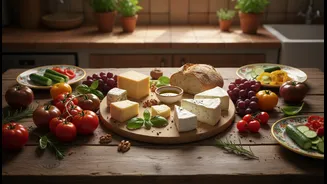
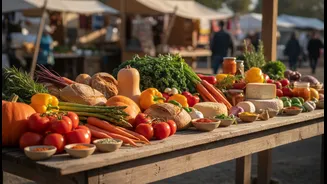
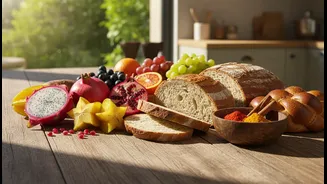
A food-led holiday encourages you to be a more curious eater. It pushes you beyond the familiar and into a world of new flavours, ingredients, and techniques. It's the difference between just eating and truly tasting. This curiosity could lead you to a bustling morning market to see where chefs get their produce, a tour of a small-batch cheese maker's facility, or a guided street food crawl through alleys you'd never find on your own. These experiences don't just satisfy hunger; they tell a story about a region's geography, climate, and history. By engaging with the source of the food, you support local farmers, artisans, and small businesses, contributing directly to the local economy and promoting sustainable practices.
Bringing the Experience Home
The impact of a food-led holiday extends far beyond the trip itself. The skills learned in a cooking class, the taste of a unique spice, or the story of a family-run vineyard become part of your own story. You come home not just with souvenirs, but with recipes, new perspectives, and a deeper appreciation for the role food plays in building community and culture. This approach is accessible everywhere, from exploring the hyperlocal cuisines of Goa or Uttarakhand to embarking on a global culinary journey. Many tour operators now offer curated food adventures, but it's just as easy to create your own by doing a little research and staying open to spontaneous discoveries.
How to Plan Your Culinary Adventure
Ready to take a bite out of your next destination? Start by researching the signature dishes and local specialties of the place you plan to visit. Look for food blogs, travel shows, and local guides for inspiration. Instead of booking every meal, leave room for spontaneity—ask your hotel concierge, a shopkeeper, or a taxi driver for their favourite local eatery. Consider experiences beyond restaurants: farm stays (agriturismos), food festivals, market tours, and home-cooking classes offer unparalleled insight into a region's culinary heart. Whether it’s learning about the slow food movement in Italy or exploring the diverse thalis of Rajasthan, let your appetite be your guide.