

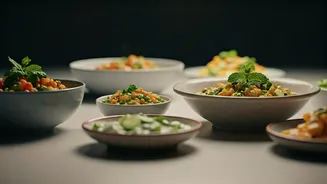


The Return to Roots
For years, the Indian summer palate was increasingly influenced by global trends—exotic salads, cold-brewed coffees, and imported sorbets dominated social media feeds. While these options offer novelty, a powerful counter-current is pulling us back to
our culinary heritage. It seems the quest for the 'new' has led us back to the 'old'. This isn't just about what tastes good; it's a conscious choice for food that feels right. We're moving away from fleeting fads and embracing the time-tested recipes our grandmothers swore by, finding that they offer a deeper, more satisfying form of coolness and comfort.
Nature's Air Conditioners
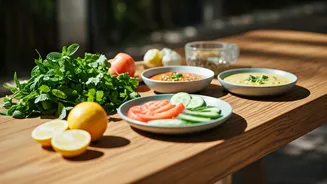
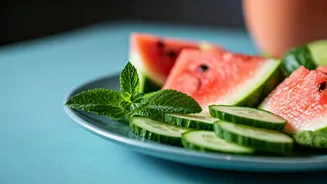
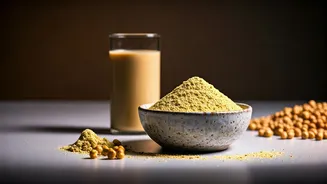
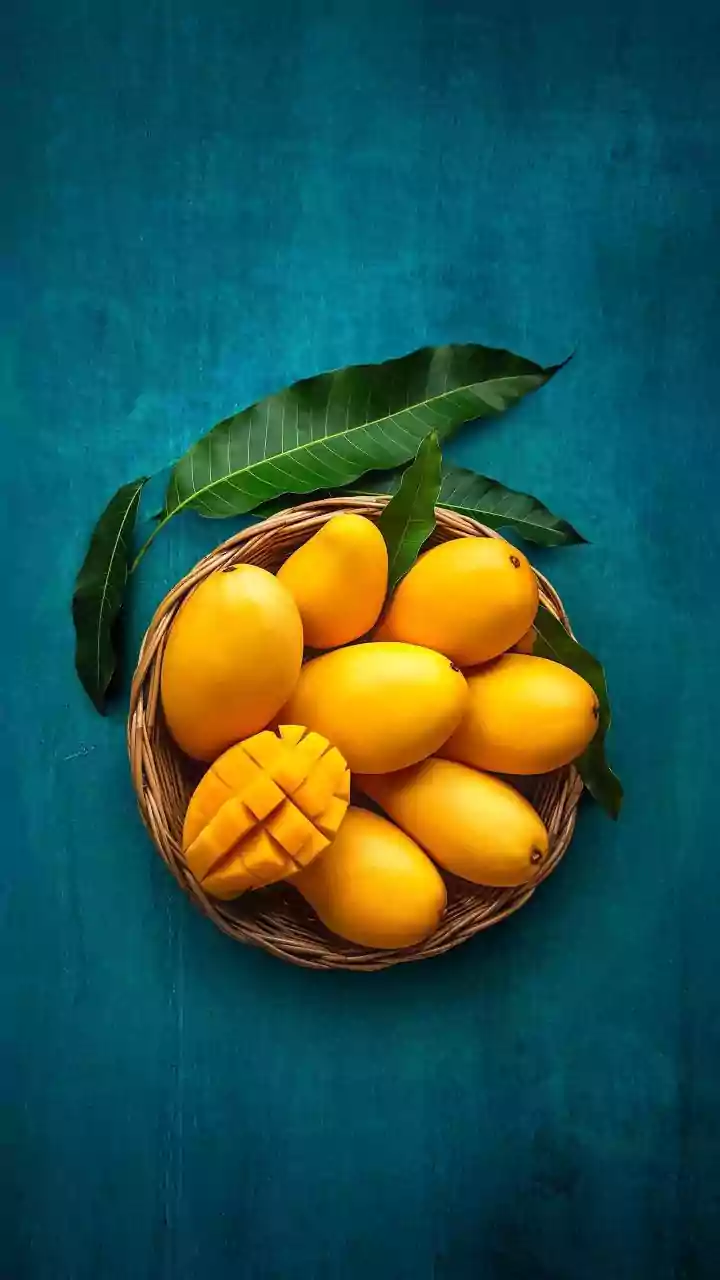
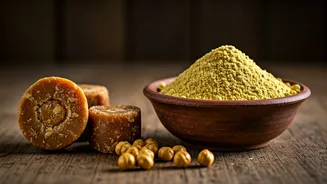
There's a profound science behind traditional Indian summer diets. Our ancestors didn't have refrigeration, but they had something better: a deep understanding of Ayurveda and local botany. They knew that ingredients like sattu (roasted gram flour) from Bihar and UP provide a protein-packed, cooling drink that sustains energy through the heat. They understood that a simple glass of aam panna, made from raw mangoes, salt, and mint, is a perfect electrolyte replenisher. From the hydrating properties of kokum sherbet in the Konkan region to the gut-friendly qualities of fermented kanji, these foods are nature’s own air conditioners, designed to work with our bodies to combat the heat, not just mask it.
A Plateful of Nostalgia
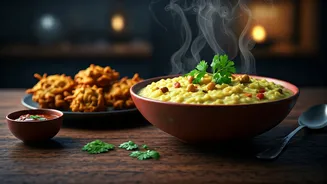
The appeal of these foods goes far beyond their physiological benefits. For many, it's about emotional sustenance. A bowl of curd rice is more than just a meal; it's a memory of childhood summers, of a mother’s care after a long day playing outside. The annual ritual of making pickles and preserves connects us to a lineage of culinary tradition, a tangible link to our past. In a fast-paced, often isolating modern world, these familiar flavours provide a sense of grounding and belonging. They remind us of family gatherings, lazy afternoons, and a simpler time. This turn towards tradition is, in many ways, a search for comfort and authenticity in a world that often feels overwhelmingly complex.
Chefs Championing Heritage
This movement isn't just happening at home. Across the country, leading chefs are turning into culinary archivists, digging into regional and family recipe books to bring forgotten dishes back into the spotlight. They are giving traditional ingredients like jackfruit, millets, and local greens a place of honour on their menus. By reinterpreting classic recipes with modern techniques, they are making heritage food aspirational and accessible to a new generation. This has created a ripple effect, encouraging home cooks to explore their own regional cuisines and value the produce available in their local markets. The message is clear: the most exciting new flavours might just be the ones that have been here all along.