


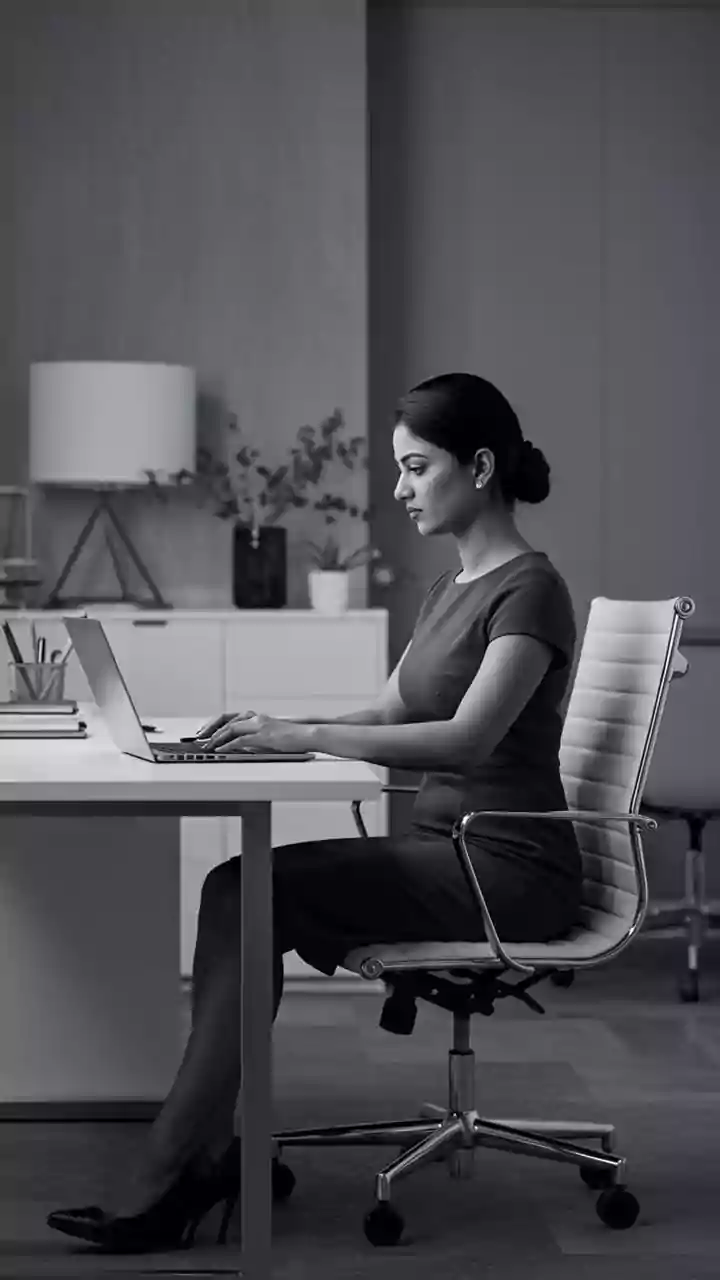




A Mental Reset Button
The transition from a demanding workday to a peaceful evening can be abrupt. An evening walk serves as a crucial buffer, offering a mental reset. The simple act of walking helps lower levels of cortisol, the body's primary stress hormone, while triggering
the release of mood-boosting endorphins. This shift from a high-alert, fight-or-flight state to a more relaxed one is vital. Studies have shown that walking increases blood flow to the brain, which can enhance focus and mental clarity, helping to untangle the day's leftover complexities. Instead of carrying work stress home, a walk allows you to process thoughts, decompress, and return with a clearer, calmer mind, ready to engage with your personal life.
Counteracting the Sedentary Day
Hours spent at a desk can take a toll, contributing to a sedentary lifestyle that impacts everything from posture to metabolism. A post-dinner walk is a practical way to combat this. Gentle movement after a meal aids digestion by stimulating the stomach and intestines, which can reduce feelings of bloating and discomfort. It also plays a significant role in regulating blood sugar levels. Walking helps your muscles use glucose from the bloodstream more effectively, preventing the sharp spikes and subsequent crashes in energy that can follow a meal. Just 15-20 minutes is enough to make a measurable difference, supporting better weight management and cardiovascular health over time.
Paving the Way for Better Sleep
The common belief that evening exercise disrupts sleep is largely a myth, especially concerning low-impact activities like walking. A moderate evening walk, concluded at least an hour before bed, can significantly improve sleep quality. The activity helps regulate your body's internal clock, or circadian rhythm. A light walk can raise your core body temperature slightly, and the subsequent cool-down period acts as a natural signal to your brain that it's time for sleep. This gentle physical exertion helps reduce the mental chatter and anxiety that often keep people awake, leading to a quicker onset of sleep and a more restful, restorative night.
Making the Habit Stick in the City
For the urban professional, the environment itself can be a gym. The key is consistency and practicality. Start small, aiming for just 10 or 15 minutes after dinner. Explore your neighborhood's quieter, well-lit streets to make the experience more enjoyable and safe. To make it a sustainable habit, you can listen to a podcast, a calming playlist, or simply use the time for quiet reflection. If you work late, even a short loop around your building can be beneficial. The goal isn't to run a marathon but to create a consistent ritual that signals the end of the workday and the beginning of personal time, improving both physical and mental well-being one step at a time.