

A Symphony of Flavour
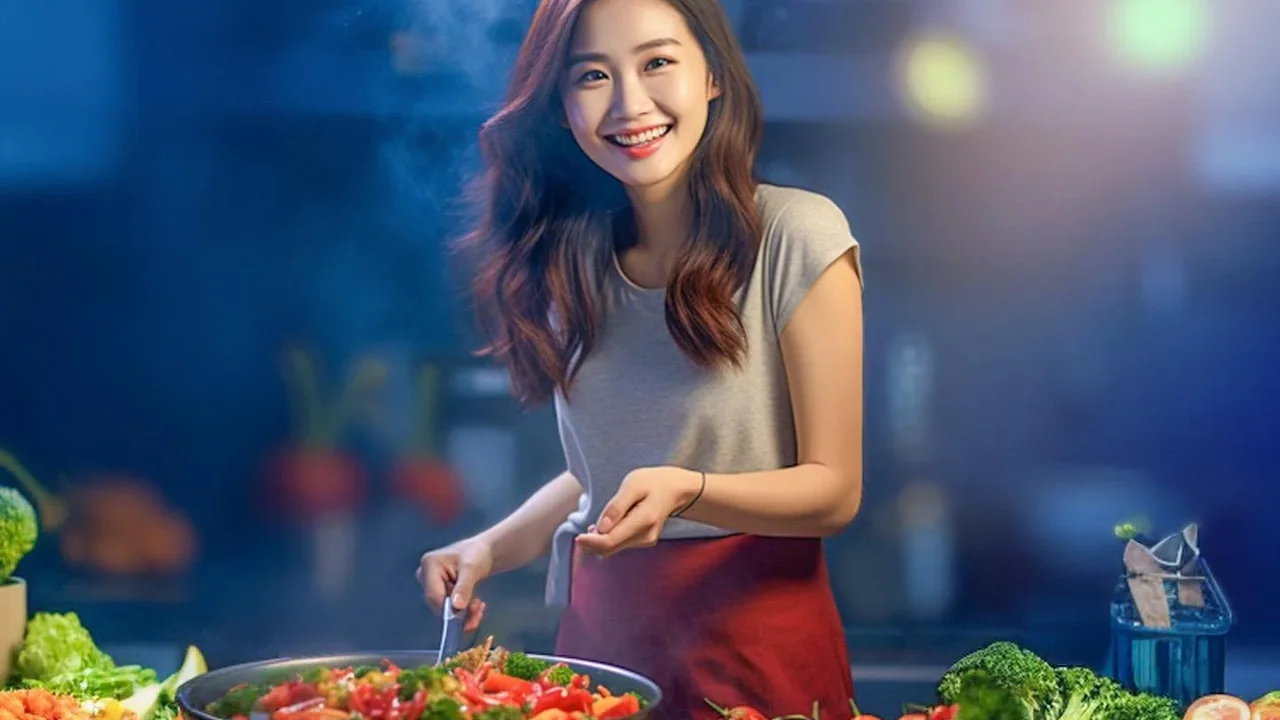
When you cook ingredients separately, you miss a crucial opportunity for flavour to build and meld. A one-pan vegetarian meal, however, turns your sheet pan or skillet into a stage where every component works together. As vegetables roast, their natural
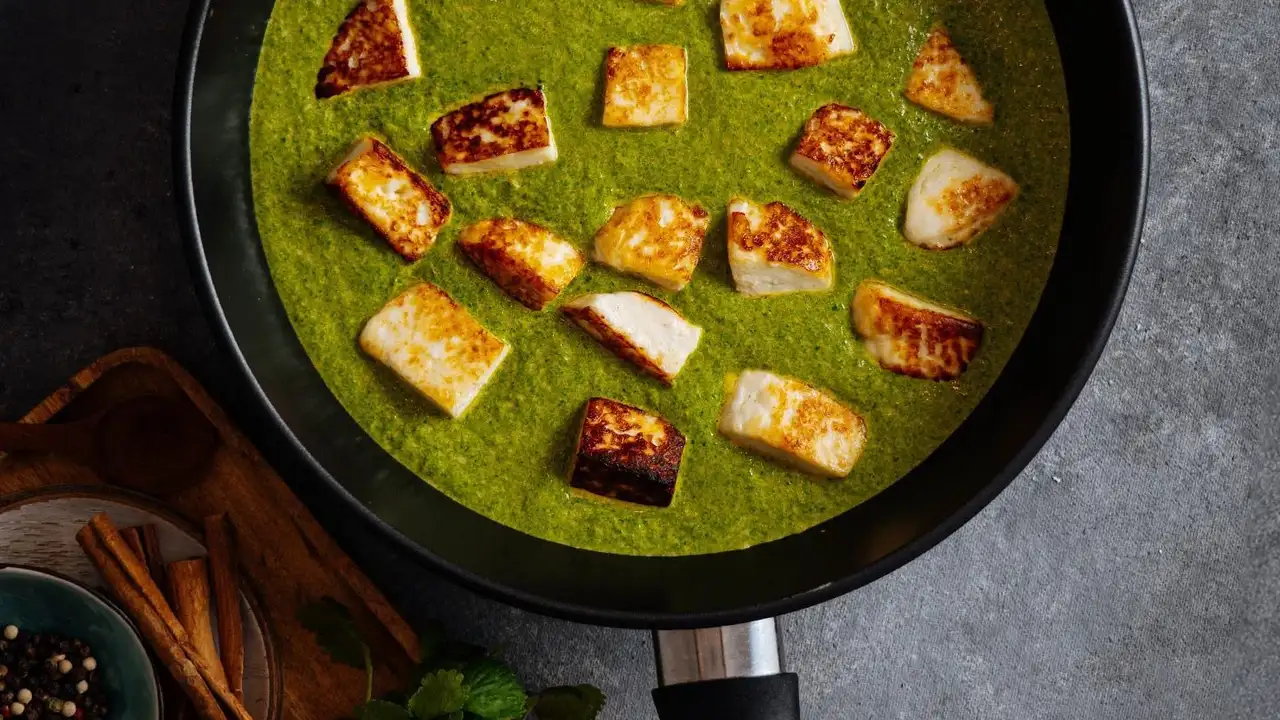
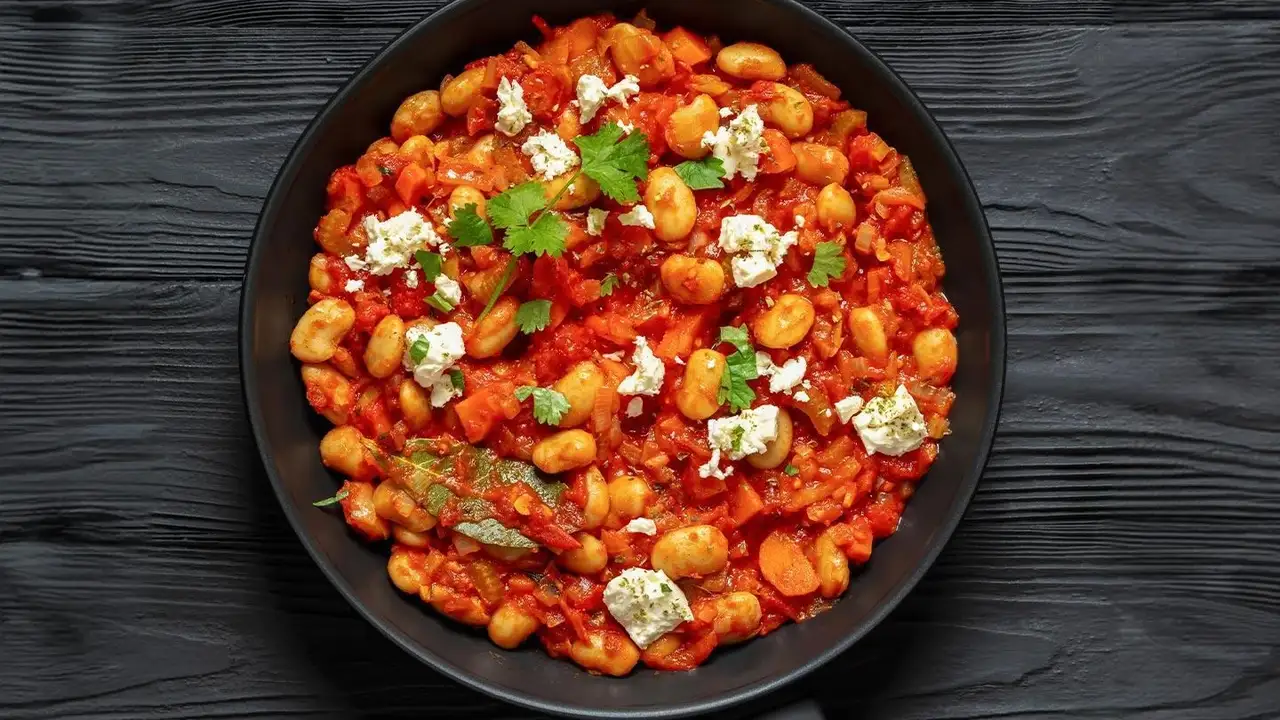
sugars caramelize, creating deep, sweet notes. Spices toast, becoming more aromatic and potent. When you add chickpeas, tofu, or paneer to that same pan, they absorb all the delicious rendered juices and seasoned oils. It’s a method that ensures every bite is infused with the combined essence of the entire dish, creating a complexity of taste that's hard to replicate when cooking elements in isolation. The cooking liquid becomes a flavour-packed sauce, and the ingredients absorb it, ensuring a rich taste throughout.
Locking in the Goodness
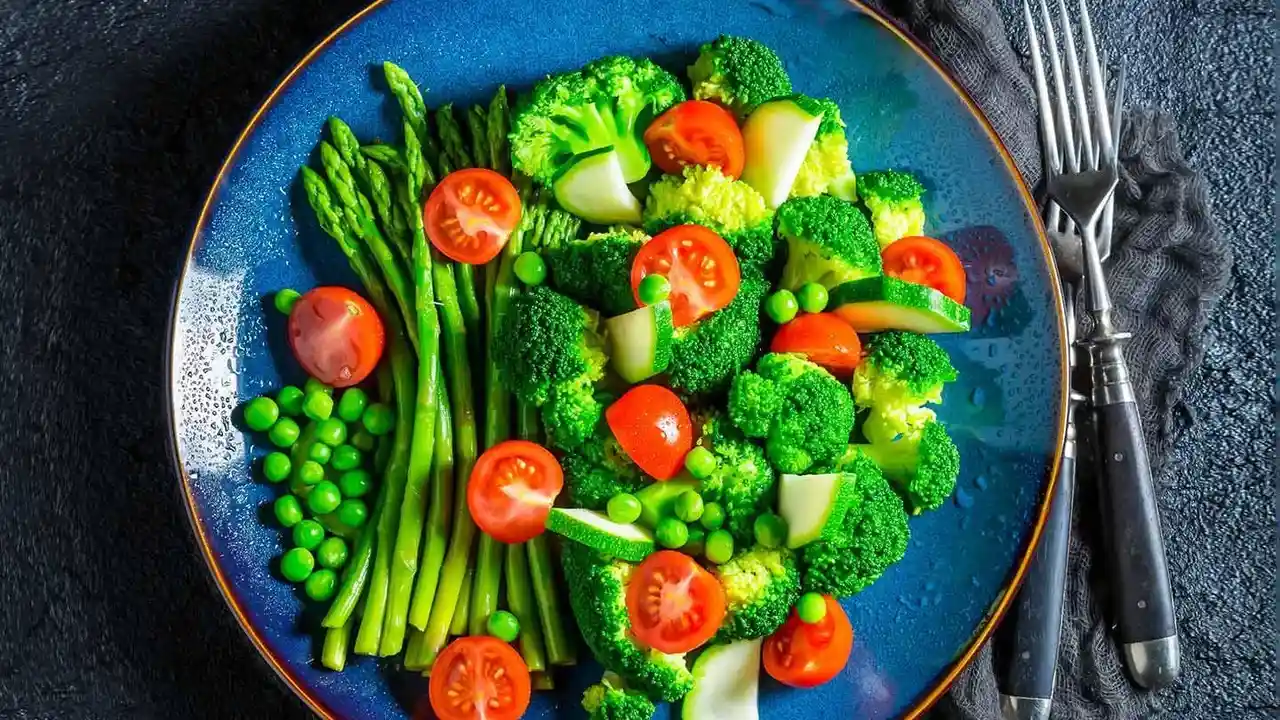
Beyond taste, the one-pan method offers significant nutritional advantages. When you boil or steam vegetables in a separate pot, valuable water-soluble vitamins can leach out into the water, which often gets discarded. In a one-pan meal, those nutrients have nowhere to go but back into the dish. Any liquid released by vegetables during cooking mingles with the grains, beans, and other ingredients, ensuring that the vitamins and minerals stay within the meal you're about to eat. This makes one-pan dishes not just easy, but also an efficient way to get a balanced, nutrient-dense meal packed with protein, fibre, and healthy fats from a colourful array of vegetables.
The Sustainable Kitchen
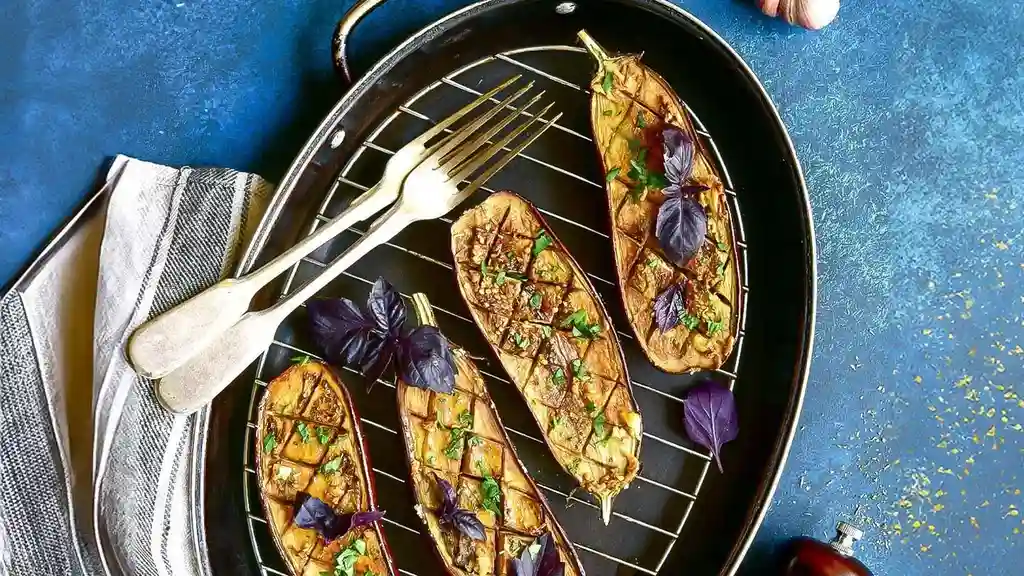
The benefits extend beyond your plate to your environmental footprint. One-pan cooking is an inherently sustainable practice. First, it’s an excellent way to combat food waste. That half-used bell pepper, wilting spinach, or handful of cherry tomatoes can all be tossed onto a sheet pan and given a delicious new purpose, rather than being forgotten in the crisper drawer. This approach is also economical, helping you use up what you have instead of buying more. Furthermore, using a single burner or just the oven reduces energy consumption compared to running multiple stovetop elements and appliances. And, of course, using less water for cleanup is a small but meaningful way to conserve resources.
Unleash Your Inner Chef
Perhaps the most overlooked benefit of one-pan cooking is the creative freedom it provides. While it might seem restrictive, it’s actually an invitation to experiment. The format encourages you to think about how textures and flavours work together. You learn to pair quick-cooking vegetables with faster-cooking proteins, or how to give heartier root vegetables a head start before adding more delicate ingredients. It’s a low-stakes way to play with different spice blends, sauces, and combinations of grains and vegetables. You can explore countless cuisines, from a spicy vegetarian chili to a creamy Tuscan soup, all within the simple framework of a single pot or pan. This approach demystifies the cooking process, building confidence and making home-cooked meals more accessible and enjoyable.