






The Ghost Pepper's New Gig
The Bhut Jolokia, or ghost pepper, needs little introduction. For years, it held the title of the world's hottest chilli, packing over a million Scoville Heat Units. Its reputation was built on extreme heat, fuelling internet challenges and daredevil
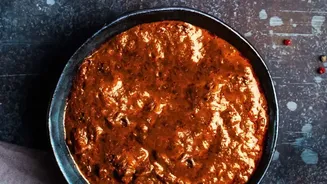
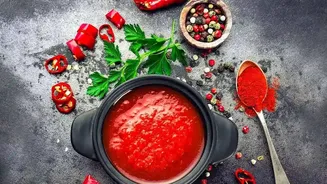
food competitions. But beyond the fire, there's a unique, almost fruity and smoky flavour that chefs in urban cafés are now cleverly harnessing. Instead of a punishing blast of heat, the ghost pepper is being used with finesse. You might find it infused into a creamy mayonnaise to accompany a burger, blended into a hot sauce with tamarind and tomato for a complex kick, or used to create a fiery chicken curry balanced with cream. The goal isn't to scorch palates but to introduce a fragrant, lingering warmth that elevates a familiar dish. This shift from novelty to nuance marks a major step in the pepper's journey from a regional staple to a sophisticated culinary ingredient.
An Introduction to Fermented Funk
Alongside the famous chilli, a host of fermented condiments from the Northeast are making their way into city kitchens. These ingredients, essential to many regional cuisines, are prized for their deep, savoury, umami character. Perhaps the most notable is Akhuni, or Axone, made from fermented soybeans. With its intensely pungent aroma and a flavour profile that is both earthy and savoury, it acts as a powerful flavour base. Similarly, fermented bamboo shoots like Khorisa from Assam and Soibum from Manipur offer a tangy, sharp taste that can cut through richness and add complexity. For generations, these ingredients were central to home cooking in states like Nagaland and Manipur, used to flavour pork stews, vegetable mashes, and chutneys. Now, they are being discovered by a wider audience, appreciated for the incredible depth they can add without a long list of spices.
From Home Kitchens to Urban Menus
The migration of these ingredients is part of a larger story about the growing appreciation for India’s diverse regional cuisines. For years, mainstream Indian food was a narrow representation of the country's culinary landscape. Northeast Indian food, with its emphasis on boiling, steaming, smoking, and fermentation, was often misunderstood or simply unknown. Today, thanks to chefs from the region opening restaurants in metro cities and a more adventurous dining public, that is changing. Establishments like Bamboo Shoot Kitchen in Delhi have been instrumental in introducing authentic home-style dishes to a new audience. This cultural exchange has paved the way for modern cafés to experiment. They are incorporating these bold flavours into more approachable formats, bridging the gap between traditional preparations and the contemporary café experience. A pork dish with fermented bamboo shoot, once found only in a Naga home, might now inspire a flavour profile for a pulled pork sandwich in a Mumbai café.
Balancing Act: Taming the Flavour
Integrating ingredients as potent as Bhut Jolokia and Axone into café food requires a delicate balancing act. Chefs are not simply dropping them into existing recipes; they are thoughtfully adapting them. The intense heat of the ghost pepper is often tempered by pairing it with dairy, fat, or acidity. A chicken steak might feature a Bhut Jolokia sauce, but it’s served with cooling sautéed vegetables to provide relief. Similarly, the pungent, assertive flavour of fermented soybeans or bamboo shoots is used as a base note rather than the star of the show. A small amount might be used to deepen the flavour of a broth, enrich a stew, or even season a side of mashed potatoes, giving it an unexpected umami kick. This intelligent use allows diners to experience the essence of these flavours without being overwhelmed, making the experience exciting rather than intimidating.