




The New Gateway to the Wild
For decades, reaching Central India’s premier wildlife sanctuaries involved complex, multi-leg journeys and significant expense, putting them out of reach for many. That landscape is rapidly changing. A strategic push for enhanced railway infrastructure
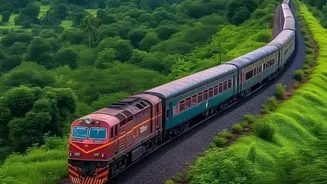
is proving to be a game-changer for wildlife tourism. In February 2026, the Indian government approved key projects, including the doubling of the Gondia-Jabalpur rail line. This is not just a routine upgrade; it's a direct artery to the wilderness, explicitly intended to improve connectivity to major tourist hubs, including Kanha and Pench National Parks. By making train travel to these regions faster, more reliable, and more frequent, these initiatives are dismantling the barriers of time and cost, opening a new chapter for budget-conscious explorers.
Your Ticket to the Tiger's Lair
The romance of an Indian train journey now leads directly to adventure. Most of Central India's legendary parks are anchored by well-connected railway stations, making them the perfect starting points for your safari. From these hubs, a short road trip by taxi or local bus is all that separates you from the jungle. The key is to book your train tickets well in advance, especially during peak seasons, and plan your onward journey to the park gates.
Bandhavgarh: Realm of the Tiger
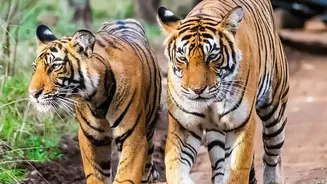
Known for one of the highest tiger densities in India, Bandhavgarh National Park offers an almost unparalleled chance of spotting the majestic predator. The forest is a mix of steep, rocky hills and dense green valleys. The nearest and most convenient railway stations are Umaria (around a 45-minute drive) and Katni (a 2.5-hour drive). Numerous overnight trains from major cities like Delhi connect to these stations, allowing you to sleep on the train and wake up ready for the final leg of your journey into the wild.
Kanha: The Land of The Jungle Book
The sprawling grasslands and sal forests of Kanha were the inspiration for Rudyard Kipling’s classic, 'The Jungle Book'. It's a vast park, home not only to tigers but also the rare hard-ground barasingha (swamp deer). The primary railheads for Kanha are Jabalpur (a 4-hour drive) and Gondia (a 3-hour drive). Both stations have excellent connectivity to the rest of the country. The ongoing doubling of the line connecting these hubs is set to make access even smoother. IRCTC itself has recognized this circuit, offering tour packages that begin in this region.
Pench: Mowgli's Playground
Another park deeply connected to 'The Jungle Book' lore, Pench National Park is famed for its rich diversity of flora and fauna, including a thriving leopard population. Its biggest advantage for young travellers is its proximity to Nagpur, a major city with an airport and a massive railway junction just 95 km away. This makes it one of the most accessible tiger reserves. Alternatively, Seoni railway station is even closer, at just 33 km from the park. Its accessibility makes it a fantastic and often more affordable option for a quick wildlife getaway.
Planning Your Budget Safari
A wildlife adventure doesn’t have to break the bank. With smart planning, you can experience the thrill of the jungle on a student-friendly budget. Start by choosing trains over flights; the cost savings are significant. Look into all-inclusive packages from providers like IRCTC, which bundle 3AC train tickets, accommodation, meals, and local transport, often at a very competitive price. For accommodation, skip the luxury resorts and opt for state-run forest rest houses, local homestays, or budget lodges located just outside the park gates. When it comes to the safari itself, choose to share a jeep with other travellers or book a seat on a larger canter safari. This drastically reduces the per-person cost, allowing you to spend more days in the wilderness.
Travel with a Conscience
This newfound accessibility comes with a shared responsibility. As more travellers venture into these pristine habitats, the need for sustainable tourism becomes paramount. Remember that these parks are fragile ecosystems, not just tourist spots. Choose eco-conscious tour operators and lodges that invest in the local community and conservation. Adhere strictly to park rules, maintain silence, and never leave any waste behind. The goal is to ensure that these wild spaces remain protected for generations of wildlife and future adventurers to come. By travelling responsibly, you become a partner in conservation.