



Choose Your Space with Intention
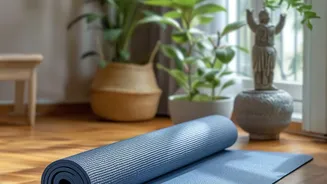
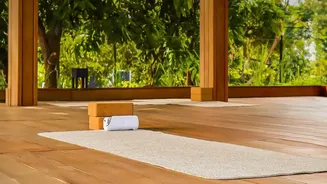
The first step is finding the right spot. It doesn’t need to be large; an area just big enough for your yoga mat will do. Look for a quiet corner with minimal foot traffic, perhaps in a bedroom or living room. A location near a window with natural light
is ideal for boosting your mood, but not essential. The key is to choose a space that feels comfortable and allows you to focus without distractions. Over time, your body will begin to associate this specific spot with relaxation, making it easier to get into a mindful state each time you practice.
The Foundation: A Mat (and a Towel)
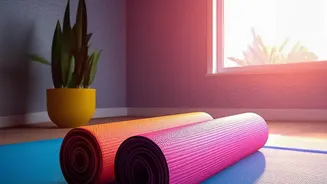
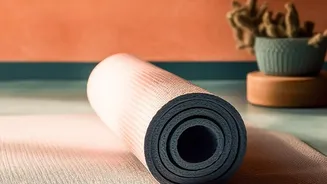
While you can improvise many things, a good yoga mat is a worthwhile investment for safety and stability. However, you don't need the most expensive one. If a new mat isn't in the budget, a rug with a non-slip pad or even a carpeted floor can work. For added cushioning under your knees or during seated poses, a simple folded blanket or beach towel is an excellent, no-cost prop that you likely already own.
Get Creative with Blocks and Bolsters
Yoga props like blocks and bolsters help support your body, but you don't need to buy official ones. For blocks, a sturdy stack of books secured with a belt or tape, or even large water bottles, can help 'bring the floor closer' in standing poses. For a bolster, which is perfect for restorative poses, tightly roll up a few firm blankets or towels. Couch cushions or pillows also work well to support your hips and back, allowing for deeper release and relaxation without any extra spending.
Find Your Strap in Your Closet
A yoga strap is used to deepen stretches and improve alignment. You can easily find a substitute in your own closet. A bathrobe tie, a regular belt, a long scarf, or even two neckties tied together make for a perfect DIY strap. These items can help you gently pull into a forward fold or hold a difficult leg stretch, ensuring you get the benefits of the pose safely without straining your muscles.
Set the Mood with Lighting and Scent
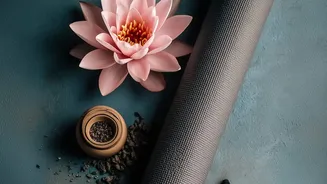
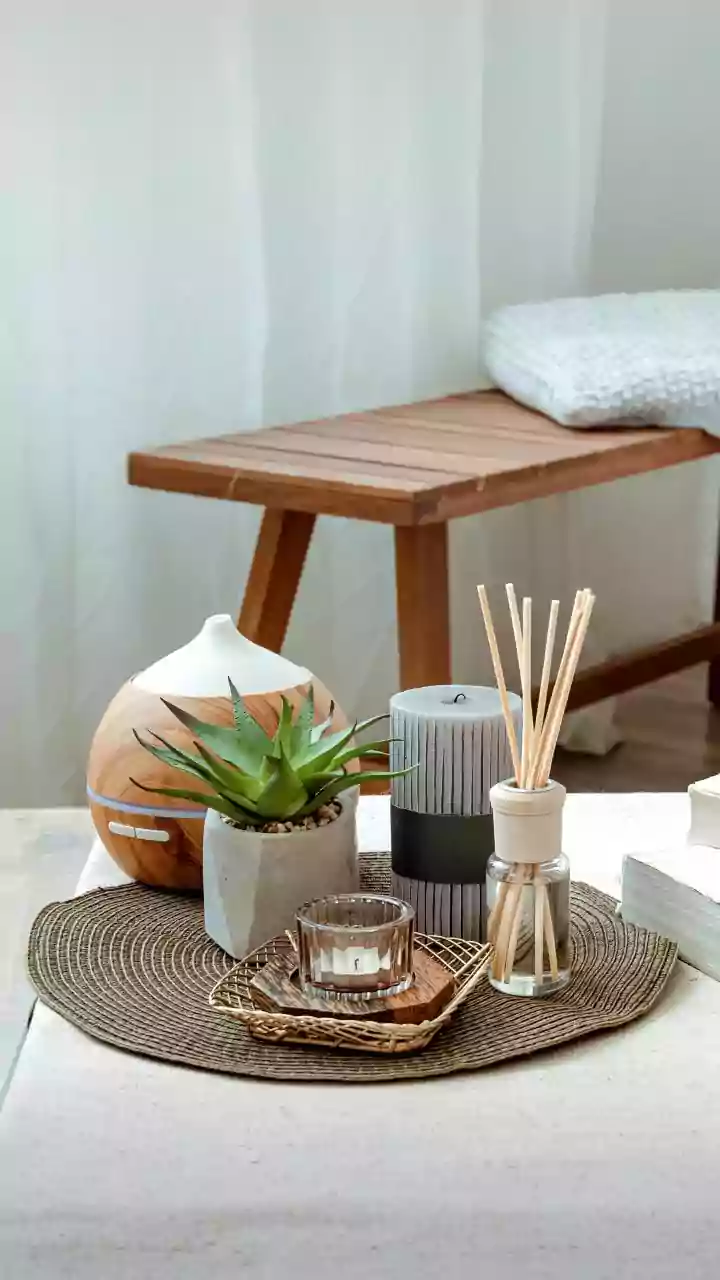
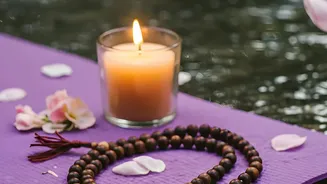
Creating a peaceful atmosphere is about engaging your senses. Soft, warm lighting is more conducive to relaxation than harsh overhead lights. Use a small table lamp, or for a truly serene vibe, light a few candles. Scent is also incredibly powerful. You don’t need an expensive essential oil diffuser; a simple incense stick or a scented candle can fill your space with calming aromas like lavender or sandalwood. These simple touches signal to your brain that it's time to unwind.
Declutter for a Clear Mind
One of the most effective and completely free ways to create a peaceful space is to declutter. A clean, organized environment helps promote a calm and focused mind. Before you begin your practice, take a minute to clear away any unnecessary items from your chosen corner. If you can't move furniture, consider using a simple screen or hanging a piece of fabric to hide visual distractions. An attractive basket can be a great, low-cost way to store your props when not in use, keeping the space tidy.
Add a Touch of Nature
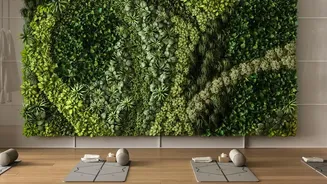
Bringing a natural element into your yoga corner can instantly make it feel more tranquil. This doesn't require a trip to a fancy nursery. A single, low-maintenance potted plant can purify the air and add a touch of life and colour to your space. If you don't have a green thumb, a small vase with a flower from your garden, a smooth stone you found on a walk, or even a bowl of water can serve as a simple, grounding focal point.