






The New Skill Demands of Private Spaceflight
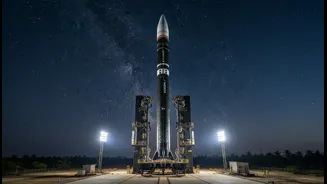
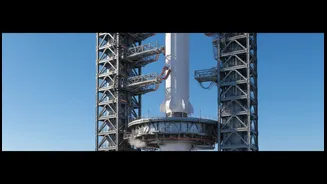
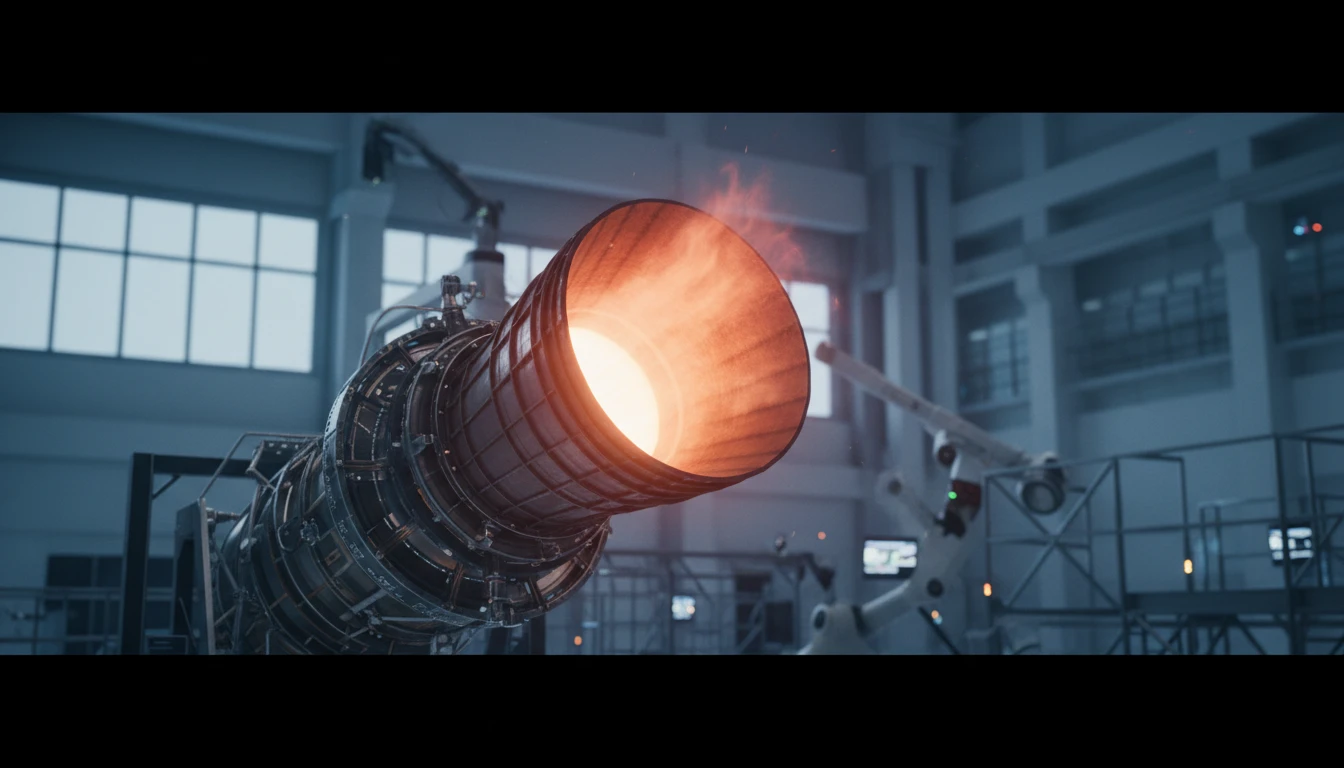
The success of India's private space sector, epitomised by Skyroot Aerospace, is built on cutting-edge technology that often outpaces traditional academic syllabi. The Vikram-1 rocket, for instance, isn't just a vehicle; it's a showcase of modern innovation,
featuring 3D-printed engines, advanced carbon-composite structures, and sophisticated avionics. These technologies are crucial for building lighter, cheaper, and more reliable rockets capable of on-demand launches. However, experts from industry and regulatory bodies like IN-SPACe have noted a gap between these industry needs and conventional engineering education. For years, curricula focused on broader theoretical principles, leaving graduates without the specific, hands-on experience in areas like additive manufacturing, guidance and control systems for commercial vehicles, or the use of next-generation lightweight materials. As private companies aim to build a high-frequency launch cadence, they require engineers who can step into roles with minimal on-the-job training, understanding not just the physics of flight but the practicalities of building and launching commercial spacecraft.
Academia Answers the Call: The IIT-Skyroot Model
The most direct evidence of this alignment comes from a landmark Memorandum of Understanding (MoU) signed between IIT Guwahati and Skyroot Aerospace in February 2026. This five-year partnership goes far beyond typical campus recruitment drives. It establishes a deep, collaborative framework aimed at co-developing talent. The agreement focuses on joint research and development, particularly in metal additive manufacturing, a core technology for Skyroot. Crucially, the MoU includes provisions for academic course development, allowing Skyroot to directly influence what students learn. It formalises internships and joint projects, giving students hands-on mission experience. The partnership even envisions joint undergraduate, postgraduate, and doctoral programs in space technologies down the line. This model represents a strategic shift, where a leading private company actively participates in shaping its future workforce, ensuring that academic research and student training are translated into production-ready solutions for India's growing space economy.
A Broader Curriculum Overhaul
The IIT Guwahati-Skyroot collaboration is a prime example of a much wider trend. Across the country, educational bodies are systematically retooling to meet the demands of the space sector. The All India Council for Technical Education (AICTE), in partnership with IN-SPACe, has introduced a minor degree in space technology for engineering undergraduates. This curriculum covers everything from launch vehicle systems to space law and economics, designed to create a pipeline of skilled professionals for the burgeoning industry. Meanwhile, institutions are independently launching programs to widen access to aerospace education. IIT Madras, for instance, introduced an online Bachelor of Science (BS) in Aeronautics and Space Technology in early 2026, removing the high barrier of the JEE entrance exam. This program explicitly aims to fill skill gaps in emerging sectors like space tech and UAVs, blending theory with hands-on training to prepare industry-ready graduates. These initiatives, from national-level curriculum changes to flexible online degrees, signal a systemic recognition that India's space ambitions depend on a well-trained, accessible talent pool.
Building the 'Launch-in-India' Workforce
This synergy between industry and academia is fundamental to the 'Launch-in-India' vision. With over 250 space startups now active in the country, the demand for specialised talent is immense. Companies require not just aerospace engineers, but professionals skilled in robotics, avionics, data analytics, and materials science. By aligning curricula with the needs of companies like Skyroot, engineering colleges are doing more than just improving graduate employability; they are building the foundational human infrastructure for an entire industry. Internships, collaborative projects, and guest lectures from industry veterans provide students with invaluable practical context that textbooks alone cannot offer. This new generation of engineers, trained on industry-relevant problems and tools, will be the driving force behind making India a global hub for commercial satellite launches, capable of competing on cost, reliability, and frequency.