



What Is Rice Water, Exactly?
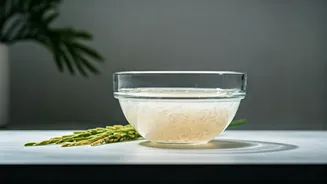
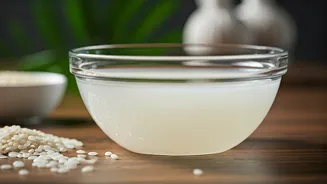
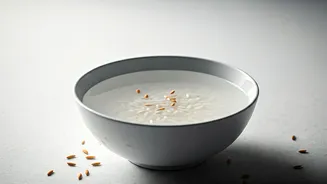
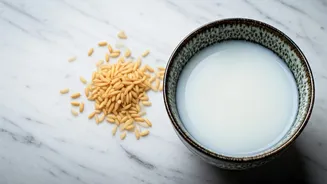
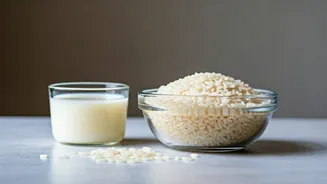
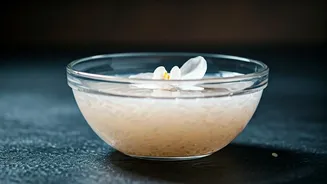
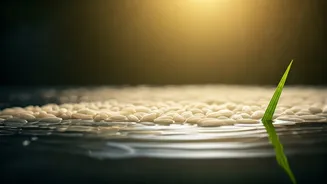
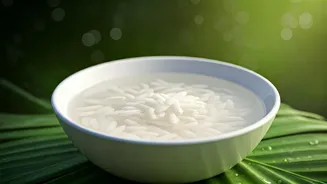
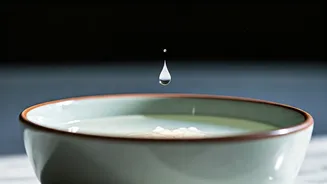
At its core, rice water is exactly what it sounds like: the starchy water left over after soaking or boiling rice. For centuries, instead of being discarded down the drain, this milky liquid has been treasured in many Asian cultures as a traditional beauty
treatment for hair and skin. It’s a prime example of a simple, low-waste practice that taps into the nutrients of a common kitchen staple. Now, a new generation is rediscovering its potential, drawn by its affordability, natural origins, and glowing online testimonials.
An Ancient Secret, Not a New Trend
While rice water might be trending on your social media feed, its roots are ancient. Court ladies during Japan’s Heian period (794 to 1185) were known to rinse their floor-length hair with rice water to keep it healthy and strong. Perhaps the most famous proponents are the Yao women from the village of Huangluo in China, who are celebrated in the Guinness Book of World Records as having the “world’s longest hair.” A key part of their haircare tradition is washing their hair in fermented rice water, which they credit for their hair’s strength, length, and lack of grey strands even into old age. This rich history provides a powerful counter-narrative to the idea that effective beauty treatments must be new and expensive.
The Science Behind the Shine
The buzz around rice water isn't just based on tradition. The liquid is rich in nutrients that are beneficial for hair and skin. It contains amino acids, which are the building blocks of protein, essential for hair strength. It's also packed with vitamins B and E, minerals, and antioxidants. The star ingredient, however, is believed to be inositol, a carbohydrate that helps repair damaged hair and protects it from future damage. Studies have shown that inositol remains in the hair even after rinsing, offering continued protection. For skin, the starchy components are thought to soothe inflammation and tighten pores, making it a gentle toner.
How to Make Your Own
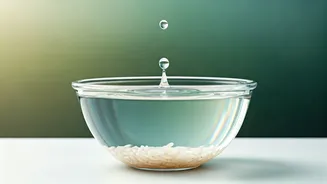
Making your own rice water is incredibly simple. There are a few popular methods: 1. **The Soaking Method (Quickest):** Rinse half a cup of uncooked rice to remove any dirt. Place the rinsed rice in a bowl with two to three cups of water and let it soak for at least 30 minutes. Swirl it around and gently knead the rice until the water turns cloudy. Strain the rice, and your rice water is ready to use. 2. **The Fermented Method (More Potent):** Prepare the rice water using the soaking method. Instead of using it immediately, leave the strained water at room temperature for 12 to 24 hours to ferment. Fermentation lowers the pH of the water, bringing it closer to the hair's natural pH, and is thought to enhance its nutrient concentration. Once it has a slightly sour smell, it's ready. You can store it in the refrigerator for up to a week.
Using It in Your Routine
Incorporating rice water into your self-care routine is straightforward. **For Hair:** After shampooing and conditioning, pour the rice water over your hair, making sure to saturate it from root to tip. Gently massage it into your scalp and hair, then let it sit for up to 20 minutes before rinsing thoroughly with plain water. You can do this once or twice a week. **For Skin:** Apply the rice water to a clean face using a cotton pad, just as you would a toner. Let it air dry. Its soothing properties can help calm irritated skin and may reduce redness. As with any new product, it's always a good idea to do a patch test first to ensure you don't have a reaction.