



The Anatomy of a Viral View
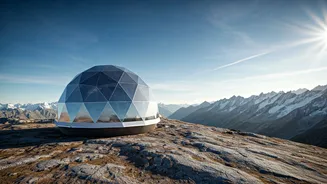
At its core, the image is a study in contrasts. The perfect, futuristic geometry of the geodesic dome—a spherical structure made of interlocking triangular panels—sits within the wild, untamed chaos of nature. These aren't just tents; they are architectural
statements. Popularised by visionary architect Buckminster Fuller, the dome’s design is incredibly strong and efficient, able to withstand heavy snow and high winds, making it ideal for mountainous terrain. But its true social media power comes from the now-ubiquitous panoramic window. This giant, transparent panel frames the landscape like a living work of art, blurring the line between the cosy interior and the majestic exterior. It transforms a simple stay into a cinematic experience, perfectly packaged for a square-format world.
More Than Just a Pretty Picture
While the visual appeal is undeniable, the popularity of these domes taps into a much deeper travel desire: immersion without discomfort. This is the zenith of 'glamping' (glamorous camping). Visitors can experience the raw beauty of a remote location—the biting wind, the sprawling night sky, the profound silence of the mountains—from the warmth and safety of a well-appointed room. These domes often come with plush beds, heating, and attached bathrooms, offering hotel-like amenities in places where traditional construction would be difficult or ecologically damaging. It satisfies two conflicting modern urges: the drive to disconnect and get back to nature, and the unwillingness to give up our creature comforts. It’s adventure on our own terms.
The Psychology of the Cocoon
Why are we so drawn to this specific shape? The appeal may be psychological. The curved walls of a dome create a sense of being held or protected, a 'cocoon' or 'womb-like' effect that feels inherently safe and calming. In a vast and sometimes intimidating landscape like the high Himalayas, this feeling of security is powerful. Yet, this sense of enclosure is immediately juxtaposed with the expansive, seemingly infinite view from the panoramic window. This combination is potent: you feel safe and sheltered while simultaneously feeling connected to the vastness of the universe. It’s a space that encourages introspection and awe, a feeling that a standard-issue hotel room with a rectangular window can rarely replicate.
A Himalayan Hotspot
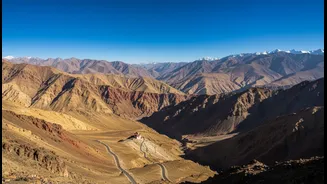
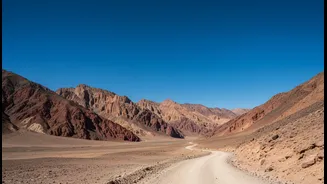
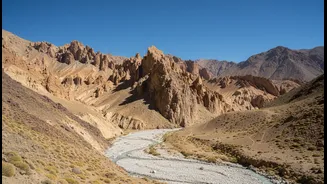
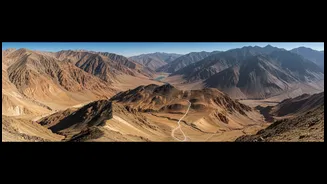
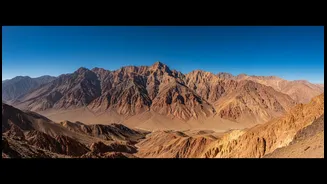
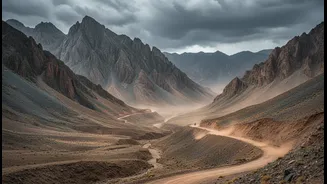
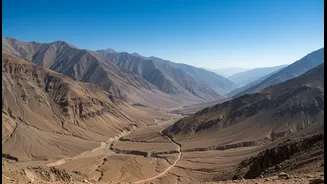
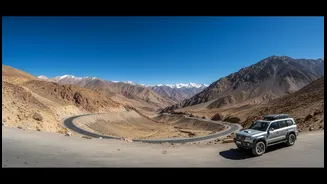
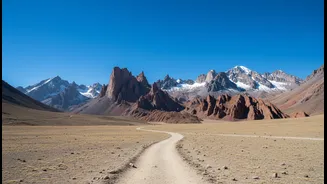
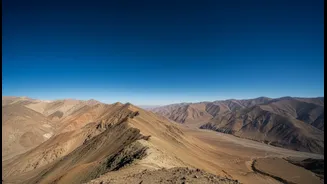
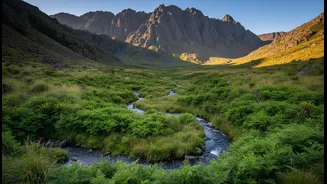
This global trend has found a perfect home in India’s own mountainous north. From the stark, lunar landscapes of Ladakh to the lush green valleys of Himachal Pradesh and Uttarakhand, entrepreneurs are setting up geodesic dome resorts to cater to a new generation of travellers. Locations near Manali, Sethan, and deep in the Nubra Valley are becoming famous for these unique stays. They offer a fresh way to experience landscapes that, while timeless, are being seen through a new lens. For Indian travellers seeking domestic destinations that feel both adventurous and world-class, these domes provide a compelling answer. They offer the thrill of isolation and unique design without the need for a passport.
The Perfect Social Media Recipe
Ultimately, the headline holds true because these domes are a content creator’s dream. They tick every box for what performs well online. You have a unique, easily identifiable subject (the dome). You have a stunning, high-impact background (the mountains or stars). You have a built-in narrative of adventure and aspirational living. And crucially, you have the human element—the silhouette of a person with a cup of tea, looking out at the view, inviting the viewer to imagine themselves in that exact spot. It’s not just a photo of a hotel; it’s a photo that tells a story of wonder, escape, and the ultimate travel experience. In the digital currency of likes, shares, and saves, the high-altitude geodesic dome is solid gold.