


More Than Just Paper and Ink
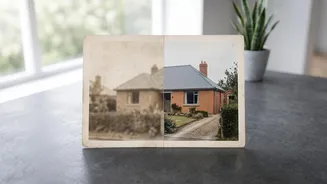
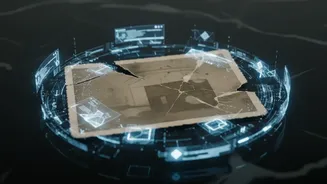
Every family has them. That handful of photos of grandparents as a young couple, or a blurry, cherished snapshot of a childhood home. These images are more than just paper; they are tangible pieces of our personal history. Seeing them degrade can feel
like losing the memory itself. For decades, professional restoration was a costly, time-consuming process reserved for the most critical images. But the same AI technology that powers self-driving cars and chatbots is now accessible enough for anyone to use, offering a way to digitally heal these fragile heirlooms and preserve them for generations to come.
How the Digital Magic Works
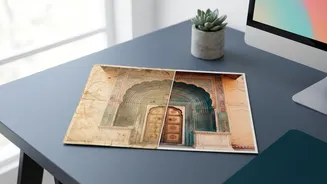
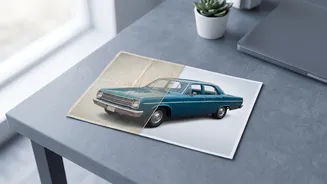
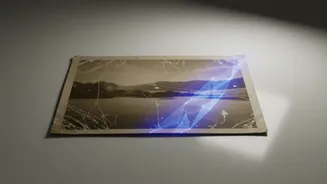
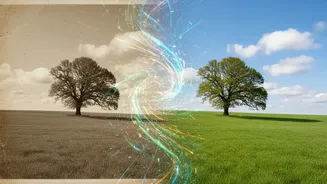
So, how can a piece of software 'fix' a physical tear or a faded face? The technology is based on generative AI and neural networks. Developers train these AI models by showing them millions of pairs of images: one damaged, and one pristine. The AI learns to recognize common flaws like scratches, dust, creases, and fading. When you upload your old photo, the AI analyzes it, identifies the imperfections, and then 'generates' new pixels to repair the damage, blending them seamlessly with the original image. It’s not just cleaning; it’s a process of intelligent reconstruction, making an educated guess about what the photo should have looked like.
Your AI Restoration Toolkit
The headline mentions 'plugins', and for professionals using software like Adobe Photoshop, powerful AI plugins like Topaz Photo AI and the built-in Neural Filters do exist. However, for most of us, the easiest way in is through user-friendly websites and mobile apps. Many services offer a simple upload-and-restore process that requires no technical skill. Popular options include mobile-first apps like Remini, web-based tools such as MyHeritage, Fotor, and Picsart, and integrated features within platforms like Canva. Many offer a few free restorations, allowing you to try the technology before committing.
Managing Your Expectations
While impressive, AI photo restoration is not foolproof. The technology works best on common issues like fine scratches, general fading, and sharpening blurry but recognizable faces. However, it has its limits. Extremely large missing pieces, severe water damage, or faces that are very small in a group photo can be challenging. The AI can't recreate information that is completely gone; it can only intelligently fill in the gaps. Sometimes, the AI can 'hallucinate' details, creating a face that feels slightly off or a texture that looks artificial. It's a powerful tool, not a magic wand, and the final result often depends on the quality of the original scan.
Tips for the Best Results
To give the AI the best chance of success, start with a high-quality scan of your original print. The more detail you can capture, the more information the algorithm has to work with. If a photo is severely damaged, focus the restoration on the most important parts, like the faces. Don't be afraid to try more than one service; different AI models can produce surprisingly different results on the same image. And remember, the goal is often not perfection, but preservation. Even a partially restored image can bring a forgotten moment back to life, allowing you to see the faces of your ancestors with newfound clarity.