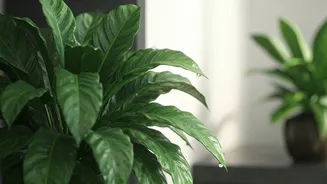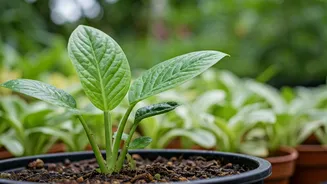

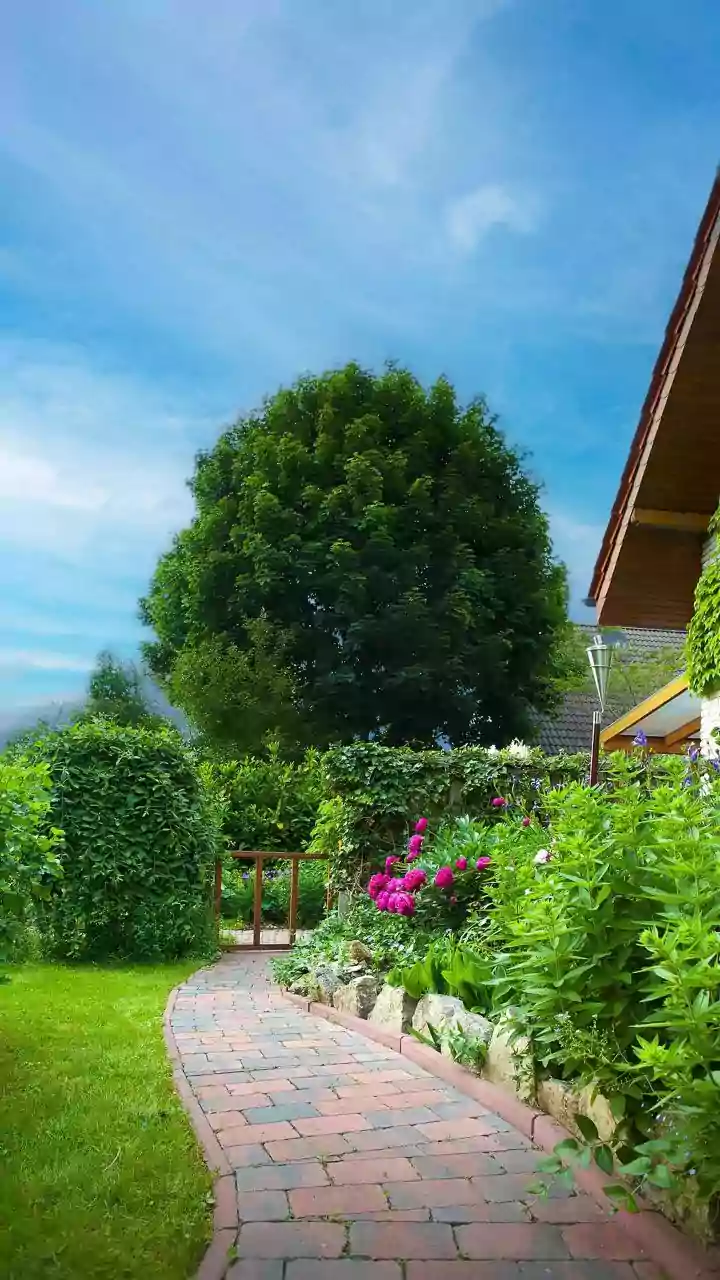
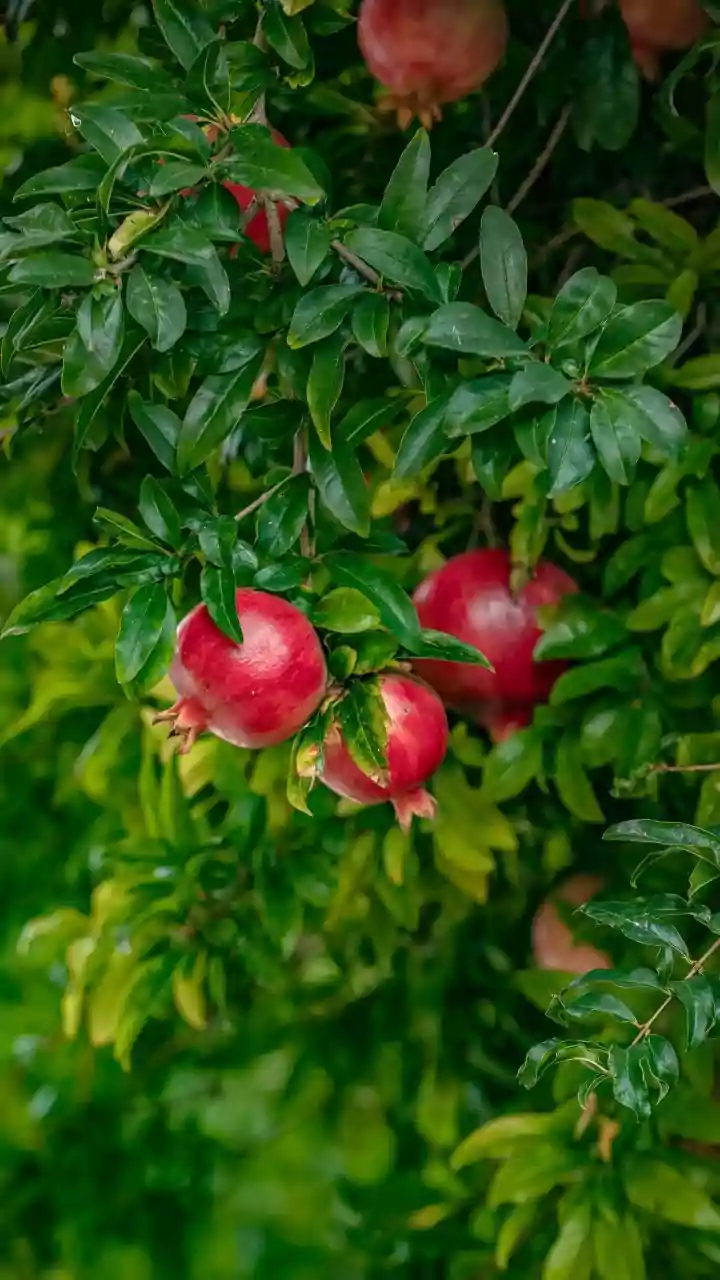


Prioritise Perfect Drainage
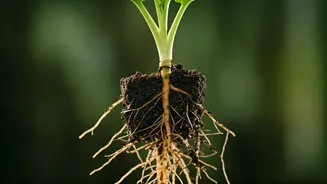
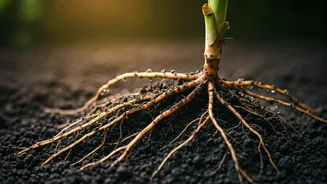
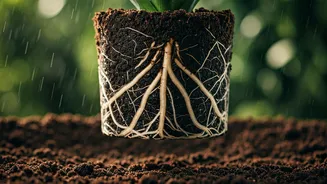
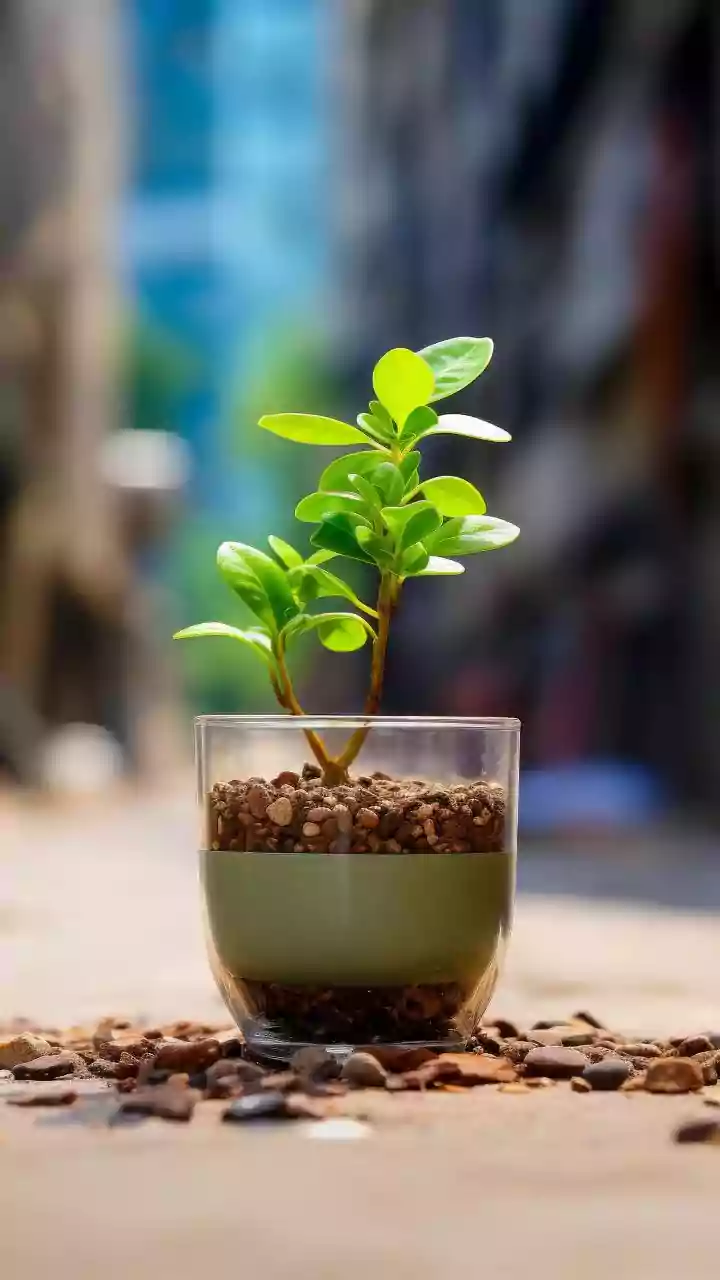
The number one enemy during the monsoon is waterlogging. When soil becomes saturated, it cuts off oxygen to the roots, essentially drowning your plant. This creates the ideal environment for root rot, a fungal disease that can quickly kill a plant. To
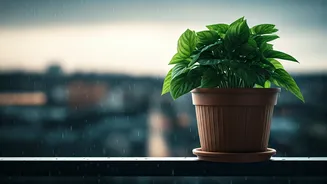
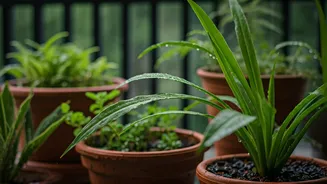
prevent this, ensure every pot has adequate drainage holes. It’s also wise to elevate your pots using bricks, small stands, or terracotta 'pot feet'. This simple step lifts the container off the ground, preventing the drainage holes from getting blocked and allowing excess water to escape freely. For plants in the ground, consider creating small mounds or raised beds to lift their roots above the soggiest soil.
Rethink Your Watering Schedule
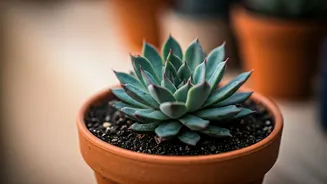
It may seem obvious, but it's a common mistake to stick to a regular watering routine during the monsoon. With frequent rain, your plants will need significantly less manual watering. Overwatering is one of the biggest risks during this season. Before you even think about picking up the watering can, check the soil. A good rule of thumb is to stick your finger about an inch or two into the soil; if it feels even slightly damp, hold off on watering. Plants in porous terracotta pots may dry out faster than those in plastic ones, so adjust accordingly. Always remember to empty any saucers or trays that collect water beneath your pots to prevent the plant from sitting in a puddle.
Improve Air Circulation
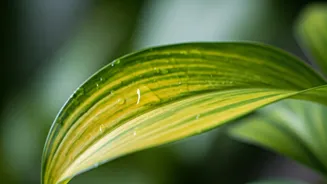
High humidity and wet leaves are an open invitation for fungal diseases like powdery mildew and black spot. To combat this, you need to ensure good airflow around and through your plants. Avoid overcrowding by maintaining proper spacing between pots. Strategic pruning can also make a huge difference. Trim dense foliage, especially in the centre of the plant, to allow air to circulate and help leaves dry faster after a shower. Regularly removing dead or yellowing leaves and spent flowers also helps, as this decaying matter can harbour pests and diseases.
Shield Plants From Heavy Downpours
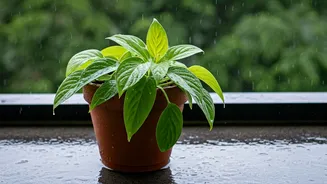
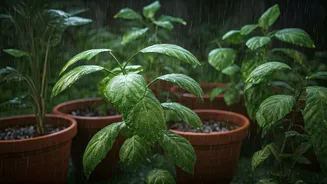
While gentle rain is beneficial, a torrential downpour can physically damage delicate plants, battering leaves and flowers. For particularly vulnerable or large potted plants that cannot be easily moved, you might consider creating a temporary shield. This could be as simple as moving them under an eave or onto a covered balcony. For those in open areas, a waterproof but breathable cover, like a tarp secured loosely, can be used during the worst of the storm, but it should be removed once the heavy rain passes to prevent a 'sauna effect' that traps too much humidity.
Choose a Lighter Potting Mix
The soil you use is your first line of defence against waterlogging. Heavy, dense garden soil tends to retain a lot of water and becomes compacted. During the monsoon, it's beneficial to use a light, well-draining potting mix. You can create your own by amending regular potting soil with materials like sand, cocopeat, or perlite. These additions improve the soil's structure, creating more air pockets and allowing water to filter through more easily, which is crucial for root health in wet conditions. If your soil surface becomes compacted from the rain, gently loosen the top centimetre or two to improve aeration and water absorption.
Watch for Pests and Diseases
The warm, wet monsoon weather is a breeding ground for pests like aphids, mealybugs, slugs, and snails. Fungal infections are also rampant. Be vigilant and inspect your plants regularly, checking the undersides of leaves and around the stems for any early signs of trouble. Catching an infestation early makes it much easier to manage. You can often treat minor pest issues by spraying the plant with a simple solution of soap water. For fungal issues, natural remedies like neem oil spray can be effective when used every 7-10 days as a preventive measure.