





The Secret to Silky Smoothness
When we say 'plant-based curd', we're talking about the growing variety of dairy-free yogurts made from nuts, seeds, and legumes. Think of thick and creamy alternatives crafted from coconut, cashews, almonds, or soy. For years, home cooks have struggled
to replicate the rich mouthfeel of dairy cream in cold applications. Other thickeners like potato or cornflour can become gummy, while avocado can discolour. Plant-based curds, however, offer a brilliant solution. They are specifically formulated to be stable, smooth, and creamy even when served cold, making them the ideal partner for your chilled soup creations.
Why It Outshines Traditional Options
Dairy-based cream or yogurt can sometimes be too heavy for a light summer soup. They can also carry a distinct tangy flavour that might not complement your other ingredients. More importantly, when blended with acidic elements like tomatoes or lime, dairy has a tendency to curdle or separate, ruining the texture. Plant-based curds, on the other hand, are much more stable. They blend seamlessly into both acidic and alkaline bases without splitting. This reliability gives you a velvety consistency every time, allowing the fresh flavours of your vegetables and herbs to be the star of the show. They provide richness without the heaviness, offering a cleaner, more vibrant final dish.
Choosing Your Perfect Curd
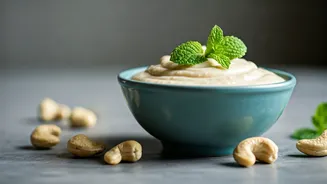
The beauty of plant-based curd is the variety, which allows you to tailor your soup perfectly. For a truly rich and decadent soup, like a chilled carrot-ginger, coconut-based curd is an excellent choice due to its higher fat content and subtle sweetness. If you need a neutral flavour profile that won’t interfere with delicate ingredients like cucumber or mint, a soy or a plain almond-based curd is your best bet. Cashew curd offers a wonderful balance of creaminess and neutral taste, making it a fantastic all-rounder. The most important rule is to always choose an unsweetened and unflavoured variety. Check the ingredients list to ensure there are no added sugars or vanilla that could clash with your savoury soup.
Tips for Flawless Integration
Using plant-based curd is simple, but a few tips will guarantee success. Always add the curd at the very end of the process. If your soup involves any cooking, let it cool completely before blending in the curd. Adding it to a hot liquid can sometimes affect its consistency. For the smoothest possible texture, use a high-speed blender. After adding the curd, blend for an extra 30-60 seconds to ensure it is fully incorporated, creating a homogenous, silky liquid. Finally, taste and adjust your seasonings *after* adding the curd. Its flavour and richness might mean you need a little less salt or a bit more acid (like a squeeze of lemon or lime) to brighten the final dish.
Simple Soups to Get You Started
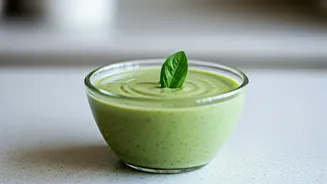
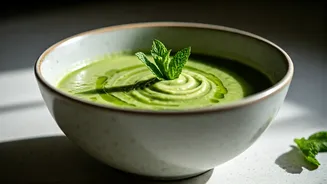
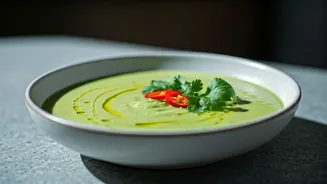
Ready to try it out? Start with something simple. For a classic Chilled Cucumber and Mint Soup, just blend cucumbers, fresh mint, a touch of garlic, and a generous dollop of almond or soy curd. For a vibrant Tomato and Basil Soup, blend ripe tomatoes, fresh basil, and a spoonful of cashew curd for a luxurious finish. You can also make a stunning Avocado and Lime Soup by blending ripe avocados, lime juice, a hint of coriander, and coconut curd for extra creaminess. These simple combinations will show you just how effective this ingredient is and inspire you to create your own unique recipes.