





A Major Recognition for Tourism
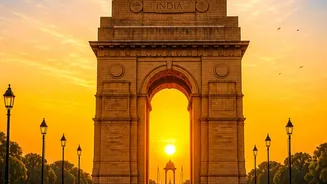
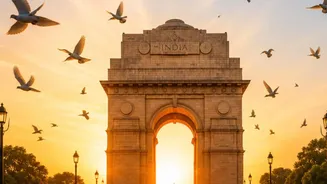
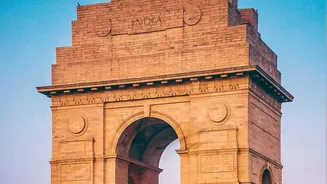
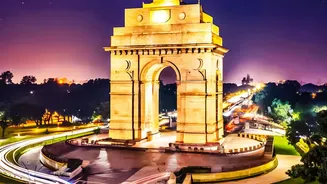
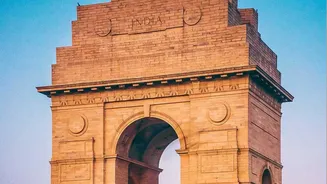
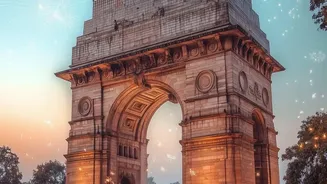
Every year, the editors of Travel + Leisure select one country that represents the pinnacle of travel for the year ahead. For 2027, that honour has been bestowed upon India, a decision that is expected to significantly boost the nation's tourism sector.
The announcement comes as India aims to rebound its foreign tourist arrivals, which stood at 9.15 million in 2025, down from a peak of 10.93 million in 2019. The government has set an ambitious goal of welcoming 100 million tourists annually by 2047, and this accolade provides a powerful endorsement of the country's appeal. The magazine highlighted a wide range of destinations, from the palaces and lakes of Udaipur to the remote Lakshadweep islands and the culinary hub of Chettinad.
The Driving Force of Food
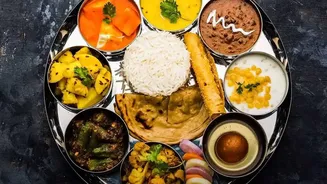
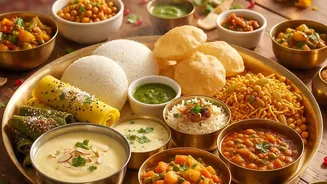
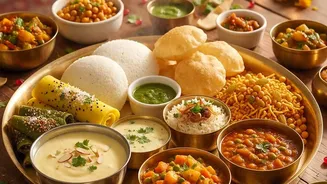
While India offers countless attractions, from historic monuments to wellness retreats, a key reason for its growing appeal is its incredible culinary diversity. Modern travellers are increasingly seeking authentic, immersive experiences, and food offers a direct path to the heart of a culture. The culinary tourism market in India is expanding rapidly, with experts projecting significant growth as travellers look beyond well-known dishes like butter chicken to discover the country's vast array of regional specialties. This trend is about more than just eating; it’s about engaging with history, agriculture, and local communities through food.
A Journey Through India’s Kitchens
India’s cuisine is not a single entity but a collection of distinct culinary traditions that change every few hundred kilometres. In the north, wheat-based breads like naan and roti are staples, alongside rich, tandoor-grilled meats and creamy gravies found in cities like Delhi and Amritsar. Venture south, and the food transforms. Coastal states like Kerala and Goa are famous for their seafood, often cooked with coconut milk and a vibrant blend of spices reflecting their tropical climate and Portuguese influences. The southern states are also where rice-flour pancakes like dosas and idlis are perfected, offering a completely different taste profile from the north.
Exploring Undiscovered Flavours
The quest for authentic food is pushing travellers into lesser-known regions. The desert state of Rajasthan offers hearty dishes like dal baati churma, born from a landscape where fresh produce was scarce. In the eastern Himalayas, cuisines are simpler and herb-driven. The city of Kolkata is a paradise for those who enjoy seafood and sweets, while Hyderabad is celebrated for its iconic biryani, a layered rice and meat dish with a rich history. Even within a single city like Delhi, one can spend days exploring the street food of Old Delhi, from the famous parathas to the spicy chaat that defines the city's food culture. This depth of flavour and variety is central to India's identity as a top-tier travel destination.
The Rise of Immersive Culinary Travel
The growing interest in regional food has given rise to new forms of tourism. Travellers can now participate in curated food walks in bustling city markets, take cooking classes to learn the secrets of local recipes, or stay at farm stays and boutique hotels that champion farm-to-table dining. Chefs are leading a movement to rediscover forgotten recipes and celebrate local ingredients, reshaping the global perception of Indian food. This trend highlights the deep connection between food, place, and identity, offering a more meaningful way to experience the country. For the modern traveller, a trip to India is as much a journey for the palate as it is for the soul.