



The Brilliant Evening Star
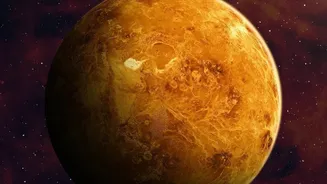
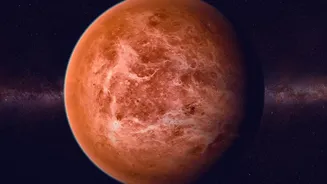
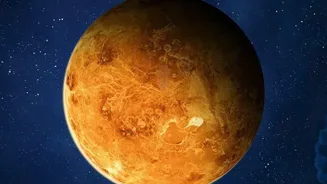
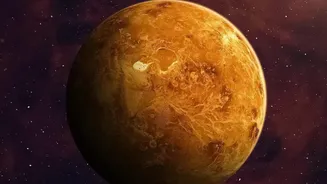
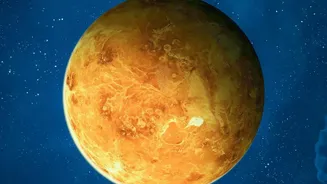
Venus is often called the 'Evening Star' or 'Morning Star' because it’s visible only around sunset or sunrise. Its brilliance isn't due to its own light, but the result of its thick, highly reflective clouds that bounce sunlight back towards us. In fact,
after the Sun and the Moon, Venus is the brightest natural object in our sky. This August, it will dominate the western twilight, shining with a steady, silvery light that distinguishes it from the twinkling of distant stars. This appearance as the Evening Star makes it an easy and rewarding target for even the most novice of sky-watchers.
When to Look: Best Dates and Times
The entire month of August 2026 is a great time to view Venus, but some dates are better than others. Mark your calendars for the middle of the month, specifically around August 14-16. During this period, Venus reaches its 'greatest eastern elongation', which means it will be at its farthest apparent distance from the Sun in the evening sky. This positioning makes it appear higher and stay visible for longer after sunset. The best time to look is in the hour just after the sun disappears below the horizon. On the evening of August 15, you might also spot a thin crescent Moon near the planet, creating a beautiful celestial pairing.
Where to Look: Finding Venus from India
Finding Venus is straightforward. Shortly after sunset, face west—the same direction where the sun just set. Scan the sky from the horizon upwards. You won't be able to miss it; Venus will be the brightest object shining through the fading daylight. It will be located in the constellation Virgo. As the month progresses, from August 21 onwards, you can watch Venus appear to draw closer each night to the bright star Spica, Virgo's brightest star. This nightly movement provides a fantastic opportunity to observe the mechanics of the solar system in real-time. Finding a spot with a clear, unobstructed western horizon is key, as the planet will be relatively low in the sky.
Tips for City and Countryside Viewing
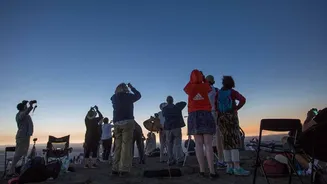
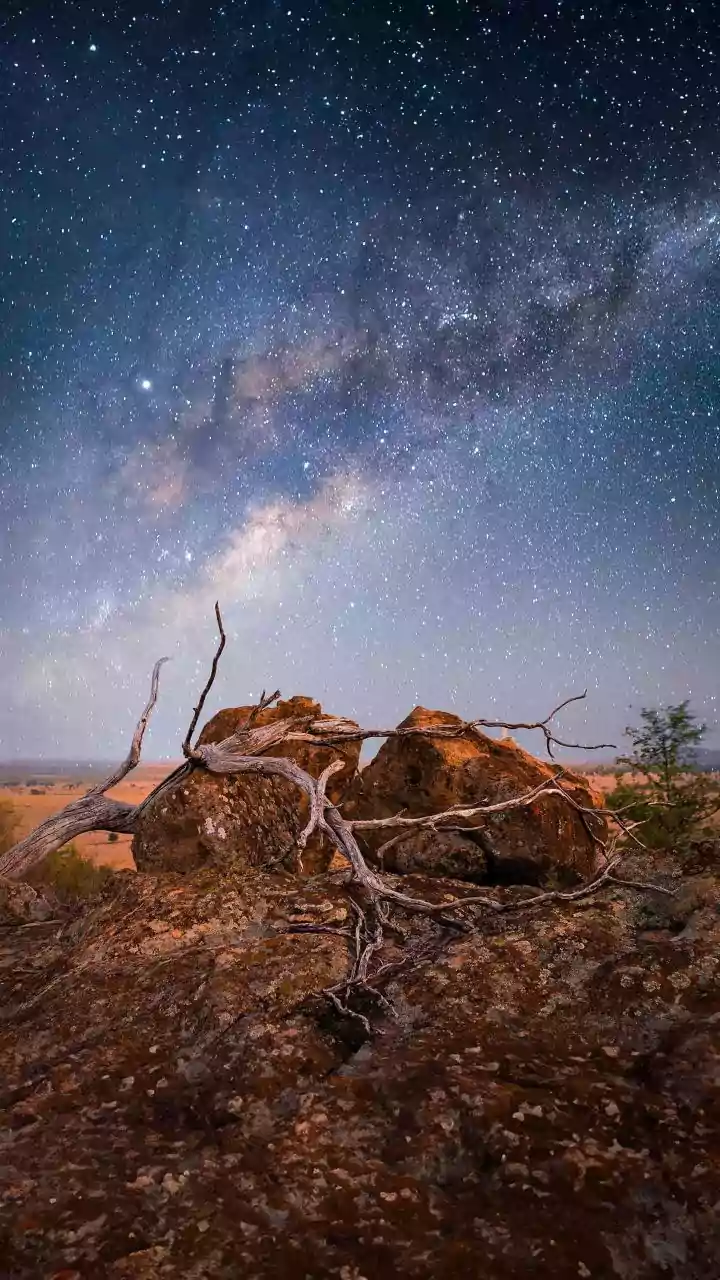
One of the best things about observing Venus is that its incredible brightness can cut through even the light pollution of major Indian cities like Mumbai, Delhi, or Bengaluru. However, for the best experience, try to find a location away from the direct glare of streetlights or buildings, such as a park, a rooftop, or an open field. Let your eyes adapt to the dark for about 20 minutes to improve your night vision. If you are in a rural area or a place with darker skies, like the mountains of Uttarakhand or the deserts of Rajasthan, the view will be even more stunning. The monsoon season can bring clouds, which are a stargazer's main obstacle, so be sure to check the local weather forecast for a clear evening.
Do You Need a Telescope?
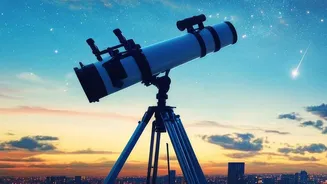
You don’t need any special equipment to see Venus; it is easily visible to the naked eye. However, even a simple pair of binoculars will enhance the view, making its brilliant glow more pronounced. If you have access to a small telescope, you'll be in for a real treat. A telescope will reveal that Venus has phases, just like our Moon. During August 2026, it will appear as a tiny, half-lit disc, similar to a quarter moon. Observing these phases is a powerful reminder that you are looking at another world, a planet moving through its own orbit around the Sun.