






Why Send Robots First?
Establishing a permanent human presence on the Moon is one of the most ambitious engineering projects in history. The lunar surface is an unforgiving environment, with extreme temperature swings, abrasive dust, and high radiation. Sending a robotic workforce
ahead of human crews offers significant advantages. It prioritizes astronaut safety by allowing us to build and test critical infrastructure without putting humans at risk. Robots can perform dangerous and repetitive tasks like grading terrain and building radiation shields for days on end without needing life support or rest. This approach is also more cost-effective. Every kilogram launched to the Moon is expensive, and reducing the amount of construction material and equipment that needs to be sent from Earth is a top priority. By using robots to build with local materials, a concept known as in-situ resource utilization (ISRU), NASA and its partners can dramatically lower the price tag of a sustained lunar outpost.
The Robotic Construction Crew's To-Do List
The first robotic missions will have a long checklist. A top priority is site preparation. This involves surveying the landscape, clearing rocks, and leveling the ground to create stable foundations for future structures. One of the most critical tasks will be building landing and launch pads. Landing a rocket on unprepared lunar soil kicks up high-velocity dust and rock, which can damage the lander and any nearby equipment. Robots will construct these pads using lunar regolith (soil), potentially melting it with lasers or microwaves to form a solid, durable surface. Other key jobs include deploying essential infrastructure like solar arrays for power, communication antennas, and even roads. Ultimately, robots will be tasked with assembling habitats and berms for radiation shielding, ensuring a safe environment is ready and waiting for the astronauts.
Meet the Robotic Workforce
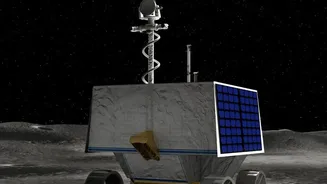
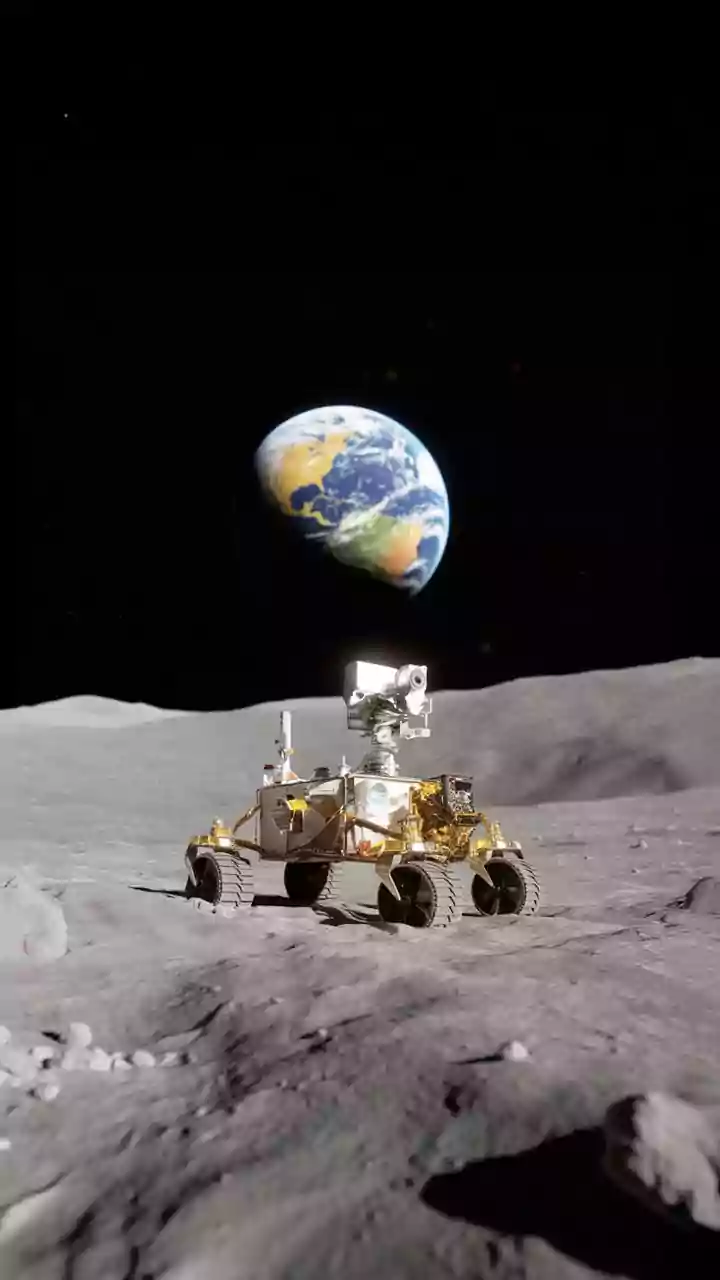
The lunar construction site will feature a diverse team of specialized robots. NASA is developing fleets of autonomous machines that can work together. One such project is CADRE (Cooperative Autonomous Distributed Robotic Exploration), which will use a team of three small, coordinated rovers to map the lunar surface in 3D. This kind of multi-robot cooperation is key for complex construction tasks. For heavy-duty work, expect to see robotic excavators and bulldozers designed to operate in low gravity. Another innovative concept is ARMADAS (Automated Reconfigurable Mission Adaptive Digital Assembly Systems), which uses builder robots to rapidly assemble structures from small, modular units, almost like robotic LEGOs. Some concepts even include humanoid robots that could perform tasks designed for humans, acting as assistants once the crew arrives.
The Commercial Partnership Model
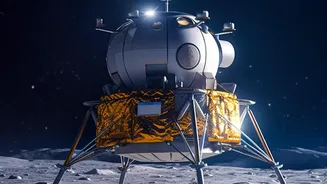
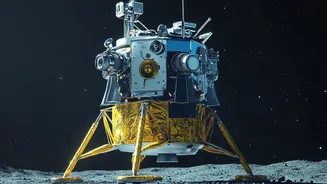
NASA isn't building this robotic workforce alone. The agency is heavily relying on a growing commercial space industry through its Commercial Lunar Payload Services (CLPS) initiative. This program contracts private companies like Intuitive Machines, Firefly Aerospace, and Astrobotic to build the landers and rovers that will deliver NASA's science and technology payloads to the Moon. This approach fosters innovation and creates a competitive marketplace for lunar transportation, driving down costs and accelerating the timeline for establishing a base. By acting as a customer, NASA is helping to build a commercial ecosystem around lunar exploration that will be essential for long-term sustainability. More than 20 robotic landings are planned in the initial phase, each one testing new technologies and adding another piece to the foundational infrastructure of the future Moon Base.
Overcoming Lunar Challenges
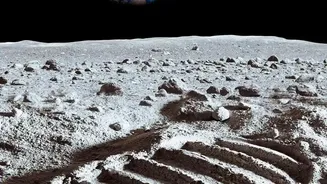
Operating a construction crew 250,000 miles from home is not without its difficulties. The fine, abrasive lunar dust is a major engineering challenge, as it can clog mechanisms, wear down seals, and cover solar panels. Robots must be designed to withstand extreme temperature fluctuations, from scorching heat to deep cold. Communication delays of up to a few seconds mean these robots can't be remotely controlled in real-time; they need a high degree of autonomy to make decisions and solve problems on their own. This is why projects like CADRE are so important, as they demonstrate how robots can coordinate and complete tasks with only high-level instructions from humans on Earth. Successfully navigating these challenges will be the final step in preparing the ground for humanity's return.