



Before You Leave: Plan and Pack Smart
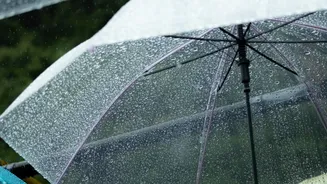
Successful monsoon travel begins with thorough preparation. Before you set out, check the latest weather forecasts from reliable sources like the India Meteorological Department (IMD). Heavy rainfall can cause sudden disruptions to flights, trains, and
road travel, so building extra buffer days into your itinerary is a wise move. When packing, prioritise items that will keep you and your belongings dry. A lightweight waterproof jacket, a sturdy umbrella, and waterproof footwear with good grip are non-negotiable. Opt for synthetic, quick-drying clothes over cotton, as they will be more comfortable in the humid conditions and dry faster if they get wet. It is also crucial to protect your electronics. Use waterproof bags, zip-lock pouches, or dry bags for your phone, camera, power bank, and important documents.
On the Road: Navigating Wet and Winding Routes
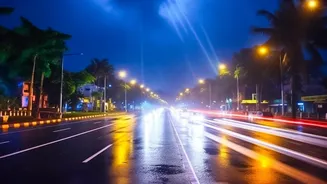
Driving during the monsoon requires heightened caution. Roads can become extremely slippery, and visibility is often poor. Reduce your speed significantly and double the usual following distance between your vehicle and the one ahead. Using low-beam headlights is essential, as high beams reflect off raindrops and can worsen visibility for you and oncoming drivers. One of the biggest dangers is waterlogged roads. Never attempt to drive through deep or fast-moving water, as your vehicle can stall or even be swept away. If you are travelling in hilly or mountainous regions, be particularly aware of the risk of landslides, which are common during heavy rainfall. It's often safer to avoid night travel altogether and stick to main roads. Before starting any road trip, ensure your car’s wipers, tyres, and brakes are in excellent condition.
Caught in a Thunderstorm: The Golden Rules of Safety
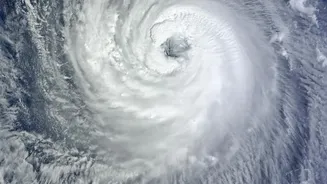
A forecast of thunderstorms should always be taken seriously. The primary rule is simple: when thunder roars, go indoors. A substantial building or a hard-topped metal vehicle are the safest places to be. Avoid taking shelter under isolated trees, in open fields, or near bodies of water, as these can be extremely dangerous. If you are inside a building, stay away from windows and avoid using corded electronics or plumbing, as lightning can travel through electrical wiring and pipes. If you are in a car, pull over to a safe location away from traffic, turn on your hazard lights, and wait for the storm to pass. Remember that tents offer no protection from lightning. If you are caught outside with no shelter, find a low-lying area away from tall objects and crouch down, making yourself as small a target as possible.
Health and Hygiene on Your Trip
The monsoon season can increase the risk of waterborne and mosquito-borne illnesses. To stay healthy, drink only bottled, boiled, or purified water. Be cautious about street food, especially items that may have been prepared with contaminated water or have been sitting out. Stick to freshly cooked, hot meals from clean, reputable establishments. Mosquitoes are prevalent during this season, so use a good insect repellent, wear long-sleeved clothing, and consider using a mosquito net at night, particularly in rural areas. It’s also wise to pack a basic first-aid kit containing essentials like antiseptic wipes, bandages, and medications for common ailments like fever or an upset stomach. Keeping your feet dry by wearing appropriate footwear can also help prevent fungal infections.