







More Than Just A Chair
Let’s be clear: a reading corner isn’t just a random armchair shoved into a corner. It’s a deliberately crafted sanctuary. It’s a space carved out of the chaos of daily life, designated for one singular, analogue purpose: to get lost in a book. This space might
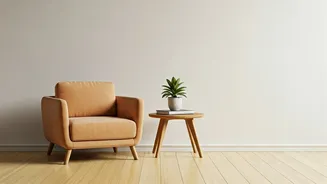
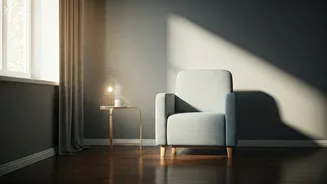
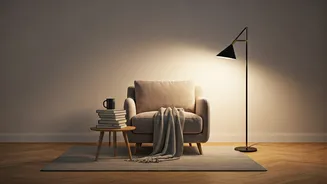
consist of a plush chair you can sink into, a soft rug, a lamp that casts a warm, gentle glow, and perhaps a small table for a cup of chai. But its components are less important than its intention. This isn't a multi-purpose zone. You don’t answer work emails here. You don’t scroll through Instagram. You read. The creation of such a space is an act of setting a boundary—not just with the outside world, but with the demanding, digitally-saturated parts of ourselves.
The Rise of Slow Living
The very idea of a reading corner is deeply intertwined with the 'slow-living' movement, a philosophy that has been gaining quiet momentum in India and across the globe. Slow living is an intentional pushback against the modern obsession with speed, productivity, and constant connectivity. It’s not about doing everything at a snail's pace; it’s about doing everything with a sense of presence and purpose. It champions single-tasking over multitasking, deep connection over superficial engagement, and quality over quantity. In a culture where 'being busy' is often worn as a badge of honour, choosing to be 'unproductively' still is a radical act. The slow-living ethos asks us to find joy in simple, sensory experiences—the taste of a well-made coffee, the feeling of sunlight on our skin, or the immersive world found between the pages of a book.
A Quiet Rebellion
This is where the “flex” comes in. In the past, a flex might have been a luxury car or a designer handbag. Today, for a growing number of people, the ultimate flex is demonstrating that you have control over your time and attention. A reading corner is a physical manifestation of this new status symbol. It silently communicates that you value your mental peace enough to dedicate physical real estate to it. It says, 'I have chosen to unplug. I have opted out of the relentless 24/7 news cycle and the endless scroll.' In a world of open-plan living and blurred work-life boundaries, carving out a private space for solitary contemplation is the ultimate luxury. It's a quiet rebellion against the expectation that we must always be available, always on, and always optimising our time for a measurable outcome.
The Psychological Payoff
The benefits of this quiet rebellion are not just philosophical; they are deeply psychological. Reading, as an activity, has been proven to reduce stress, improve concentration, and enhance empathy. When you retreat to a dedicated reading corner, you are signalling to your brain that it’s time to switch gears. This ritual of entering a specific space helps you disconnect from stressors and immerse yourself more fully in the narrative. It’s a form of mindfulness. By focusing on a single task—reading—you give your over-stimulated brain a much-needed break from the digital noise. This isn’t about escapism in a negative sense, but rather a strategic retreat that allows you to return to the world feeling more centred, refreshed, and resilient.
Crafting Your Sanctuary
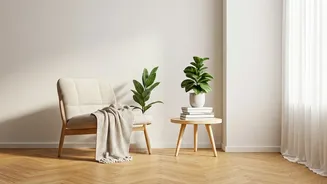
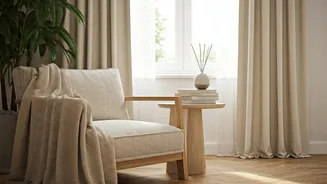
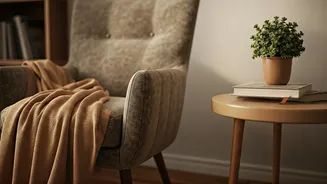
Creating your own reading corner doesn’t require a massive budget or a sprawling home. It can be a simple floor cushion in a well-lit nook by a window, a comfortable bench on a balcony, or a beloved old armchair passed down through generations. The key ingredients are comfort, good lighting, and a distinct lack of distractions. Add personal touches that bring you joy: a soft throw, a stack of your favourite books, a plant. The goal is to create a space that feels like a haven—a personal refuge that beckons you to slow down, breathe, and simply be. It is an invitation you extend to yourself, a promise to honour your own need for peace and quiet.