

The Soul of Mathura's Peda
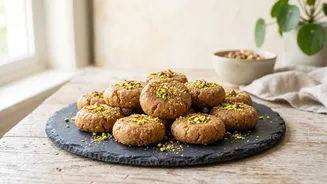
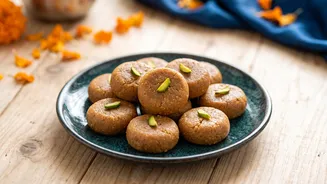
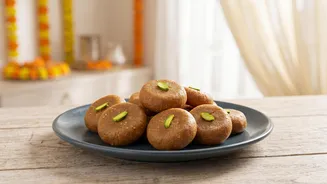
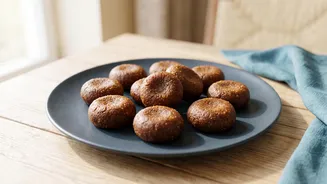
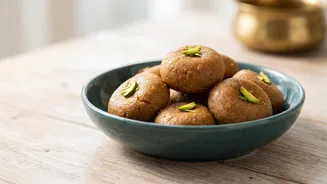
What sets the Mathura Peda apart from its paler cousins? The secret lies in its unique preparation and resulting character. Unlike other pedas, the Mathura version boasts a rich, dark brown colour and a distinctly grainy, melt-in-your-mouth texture. This
comes from the patient art of slow-roasting khoya (milk solids) in ghee until it caramelises, a process known as 'bhun-na'. This technique not only imparts a deep, nutty flavour but also gives the peda its signature appearance. This sweet is so intrinsically linked to its origin that it has a Geographical Indication (GI) tag application filed, recognising its cultural and culinary importance. For Janmashtami, preparing these pedas is more than just making a sweet; it's about recreating a taste that is considered a beloved prasad for Lord Krishna.
Gathering Your Ingredients
Making authentic Mathura Peda at home requires just a few simple ingredients. The quality of your khoya is paramount to the final taste and texture. For best results, use fresh, crumbly khoya, which is readily available at most local dairies or Indian grocery stores.Here’s what you’ll need:- Unsweetened Khoya (Mawa): 250 grams- Ghee (Clarified Butter): 2-3 tablespoons- Bura Sugar (or powdered sugar): ½ to ¾ cup, adjusted to taste- Cardamom Powder: ½ teaspoon- Nutmeg Powder (optional): A small pinch- Milk: 2-3 tablespoons, if needed- Extra Bura or caster sugar for rolling
The Step-by-Step Method
Patience is the key ingredient here. The slow-roasting process can't be rushed, but the reward is a truly authentic flavour.1. Prepare the Khoya: Start by crumbling or grating the khoya so it cooks evenly. This prevents large lumps from forming.2. Roast the Khoya: Heat a heavy-bottomed pan or kadai on low heat. Add the crumbled khoya and begin to roast it, stirring continuously. After a few minutes, the khoya will melt and start to release its moisture.3. Add Ghee and Continue Roasting: Once the khoya starts to dry out slightly, add the ghee. Continue to roast on a consistent low to medium flame. Keep scraping the sides and bottom of the pan to prevent burning and ensure even browning.4. Achieve the Perfect Colour: This is the most crucial step and can take anywhere from 20 to 40 minutes depending on your stove and pan. The mixture will gradually change colour from off-white to a light golden, and finally to a deep, fragrant dark brown. It will become crumbly and grainy.5. Cool the Mixture: Once you achieve the desired colour, turn off the heat and transfer the roasted khoya to a separate plate or bowl to stop the cooking process and let it cool down. It should be just warm to the touch, not hot.6. Add Sugar and Flavouring: Once cooled, add the bura sugar, cardamom powder, and nutmeg powder to the khoya mixture. Mix everything thoroughly with your hands until well combined. If the mixture feels too dry to bind, add a teaspoon of milk at a time until it comes together.7. Shape the Pedas: Take small portions of the mixture and roll them between your palms to form smooth, round balls. Gently flatten them to create the classic peda shape. Finally, roll each peda in some extra bura or caster sugar for the traditional finish.
Tips for Peda Perfection
Keep these simple tips in mind to ensure your homemade pedas are a success:- Use a Heavy-Bottomed Pan: This helps in even heat distribution and prevents the khoya from scorching at the bottom.- Constant Stirring is Key: Do not leave the khoya unattended while roasting. It can burn very quickly, which will spoil the taste.- Low and Slow is the Way to Go: Resist the temptation to turn up the heat to speed up the process. The deep flavour and colour develop only through slow caramelisation.- Cool Before Adding Sugar: Adding sugar to hot khoya will cause it to melt and turn the mixture into a liquid mess, making it impossible to shape the pedas. Ensure the mixture is just lukewarm.- Bura Sugar for Authenticity: While powdered sugar works, traditional recipes use bura sugar (also known as tagar). Its crystalline texture gives the pedas a unique, slightly crunchy and crumbly mouthfeel.