




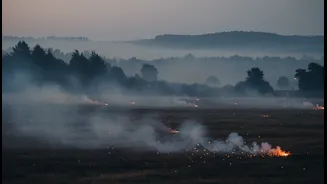


A Chemical Cocktail in the Sky
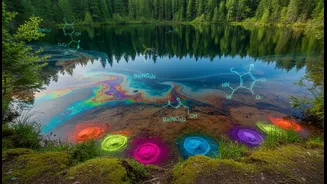
A firework is more than just a flash of light; it's a complex chemical reaction designed for spectacle. To get their vibrant colors, manufacturers use various metallic salts: strontium for red, barium for green, and copper for blue. The explosive force
comes from propellants and oxidizers, such as perchlorates, which help the firework burn. When ignited, this cocktail combusts, releasing a plume of smoke, gases, and tiny particles into the atmosphere. The immediate result is a dramatic spike in air pollutants, including carbon monoxide, sulfur dioxide, and particulate matter.
The Immediate Aftermath
The most well-documented impact of fireworks is on short-term air quality. During and after large-scale displays, like those during Diwali in India or Fourth of July in the United States, air monitoring stations regularly record sharp increases in fine particulate matter, known as PM2.5. These microscopic particles, about 30 times smaller than a human hair, can be inhaled deep into the lungs and even enter the bloodstream. This can trigger coughing, worsen asthma and other respiratory conditions, and increase the risk of heart attacks and strokes, especially for vulnerable populations like children, the elderly, and those with pre-existing health issues. Some studies have found that air pollution can increase by an average of 42% during these celebrations.
Lingering Questions for Land and Water
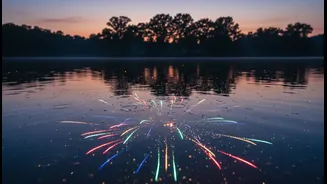
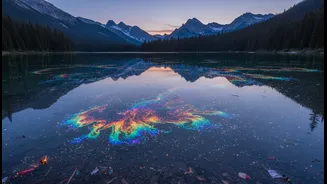
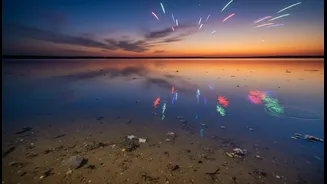
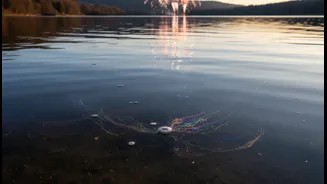
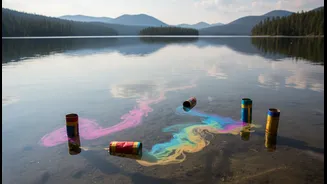
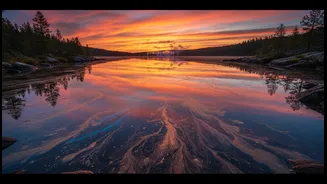
The focus of newer scientific investigation is what happens long after the smoke dissipates. The pollutants don't just vanish; they come back down to Earth. Heavy metals used for color, such as barium and copper, can settle into the soil and nearby bodies of water, where they persist in the environment. One of the biggest concerns is perchlorate, the oxidizer used to make fireworks explode. Perchlorate is highly soluble in water and can remain in the environment for long periods. Studies, including one at Mount Rushmore National Memorial in the US, have found elevated levels of perchlorate in groundwater and streams years after firework displays had ceased, directly linking the contamination to the past celebrations. Similar research in Kerala, India, also found perchlorate concentrations in soil and water samples after fireworks were used.
The Challenge of Tracking the Trace
Investigating the long-term footprint is challenging because the effects are widespread and can be difficult to isolate from other sources of pollution. However, new research is providing a clearer picture. Recent laboratory studies have shown that when firework debris lands in water, it can leach metal ions and other organic compounds, altering the water chemistry in ways that could potentially harm aquatic life and microbial communities. Another area of study is the formation of secondary pollutants. Researchers have identified that chemicals called amines, used in some firework formulas, are released into the air and can react to form aerosols, contributing to the hazy conditions that often follow large displays. These particles and chemicals can be transported by wind, spreading the environmental impact far from the launch site.
Beyond the Bang: Seeking a Clearer Future
The cultural significance of fireworks is undeniable, but the growing body of scientific evidence highlights a clear environmental cost. As researchers continue to trace the long-term pathways of these pollutants through our air, water, and soil, a more complete picture of their impact is emerging. The immediate health risks from air pollution are well-established, but the chronic, low-level contamination of ecosystems is a frontier of active investigation. This research is crucial for informing public policy and encouraging the development of safer, more environmentally benign alternatives for celebrations. While there is no direct evidence currently linking short-term firework exposure to long-term diseases like cancer, experts advise minimizing exposure to the pollutants they release due to the general risks associated with air pollution. Proper cleanup of firework debris is also noted as a simple but important step in reducing the contamination of local waterways.