
Røst: The Seabird Kingdom
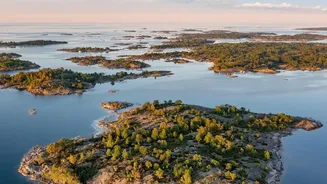
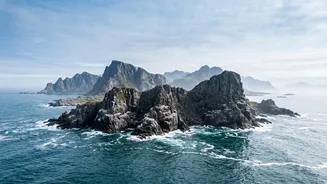
Far out at the southern tip of the Lofoten chain lies Røst, an archipelago of 365 islands so remote and wild it feels like the edge of the world. The main island, Røstlandet, is strikingly flat, a stark contrast to the jagged peaks that define much of Norway's
coast. This is a fishing community at its core, sustained for centuries by the abundant cod that migrate here each winter. But Røst's international fame comes from its staggering seabird colonies. The bird cliffs here are legendary, once home to the world's largest puffin colony with nearly 1.5 million breeding pairs. While those numbers have tragically declined due to food shortages, Røst still hosts one of Norway's most significant bird populations, with hundreds of thousands of puffins returning each summer. Boat trips take visitors along the cliffs of islands like Vedøy and Hernyken, offering close encounters with puffins, kittiwakes, razorbills, and the majestic white-tailed sea eagle. The air hums with the sound of wings, a truly unforgettable wildlife spectacle.
Lofoten: Picture-Postcard Perfection
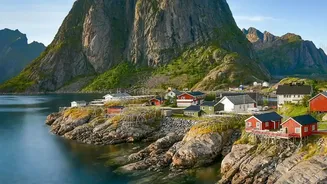
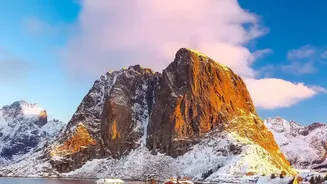
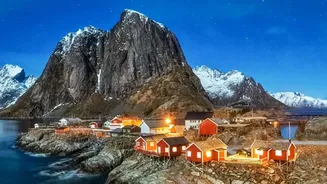
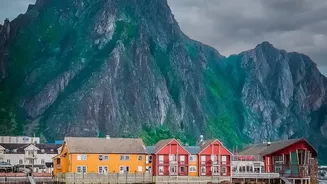
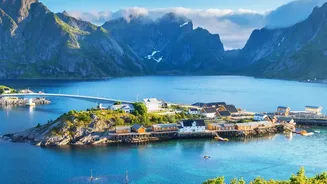
If you’ve seen a photo of a dramatic Norwegian coastline with red fishing cabins (rorbuer) perched over turquoise water, it was likely taken in the Lofoten Islands. This iconic archipelago is a masterpiece of nature, where sheer, jagged mountains rise directly from the sea. The main islands are connected by bridges and tunnels, forming a scenic route that winds through some of the most stunning landscapes imaginable. Lofoten is a playground for outdoor enthusiasts. You can hike to breathtaking viewpoints like Reinebringen, surf the Arctic waves at Unstad beach, or kayak through serene fjords. Picturesque fishing villages like Reine, Henningsvær, and Å offer glimpses into the region's deep connection with the sea, while the Lofotr Viking Museum provides a fascinating look into its ancient history.
Senja: Norway in Miniature
Often called 'Norway in Miniature', Senja is the country's second-largest island and offers a stunning diversity of landscapes. The outer coast is wild and dramatic, with saw-toothed mountains plunging into the ocean, while the inner coast is gentler, with forests and farmland. The Senja National Tourist Route showcases this contrast perfectly, with jaw-dropping viewpoints like Bergsbotn and Tungeneset, the latter known for its view of the 'Devil's Teeth' peaks. Senja is a haven for hikers, with iconic treks up Segla and Hesten offering panoramic views. You can relax on the white sands of Ersfjord Beach, explore active fishing communities like Husøy, or take a safari to spot the region's large population of sea eagles. Less crowded than Lofoten, Senja offers a raw, untamed beauty.
Sommarøy: The Arctic Summer Island
Just an hour's drive from Tromsø lies Sommarøy, whose name means 'Summer Island'. It's a fitting name for this charming collection of islands known for its stunning white-sand beaches and crystal-clear turquoise waters, which create an almost Caribbean feel, despite being high above the Arctic Circle. This active fishing village is connected to the neighbouring island of Kvaløya by a bridge, making it easily accessible. In summer, under the midnight sun, the island is perfect for kayaking, coastal walks, and beach picnics. During the winter, its low light pollution makes it a prime location for watching the Northern Lights dance across the sky. Sommarøy provides a perfect, easily accessible taste of Arctic island life with breathtaking scenery.
Vega: A World Heritage Landscape
South of the Arctic Circle, the Vega Archipelago is so unique it has been designated a UNESCO World Heritage site. This status isn't just for its natural beauty, but for a 1,500-year-old tradition of sustainable living based on the unique partnership between islanders and wild eider ducks. For generations, the people of Vega have built small shelters for the ducks to nest in, protecting them during the breeding season. After the ducklings leave, the islanders collect the incredibly soft and insulating eiderdown left behind, a precious commodity. The archipelago consists of over 6,500 islands, islets, and skerries. The main island of Vega offers varied landscapes, from tall mountains to flat marshlands, making it ideal for hiking and cycling, while the surrounding waters are perfect for kayaking.