
A Tale of Two Planets
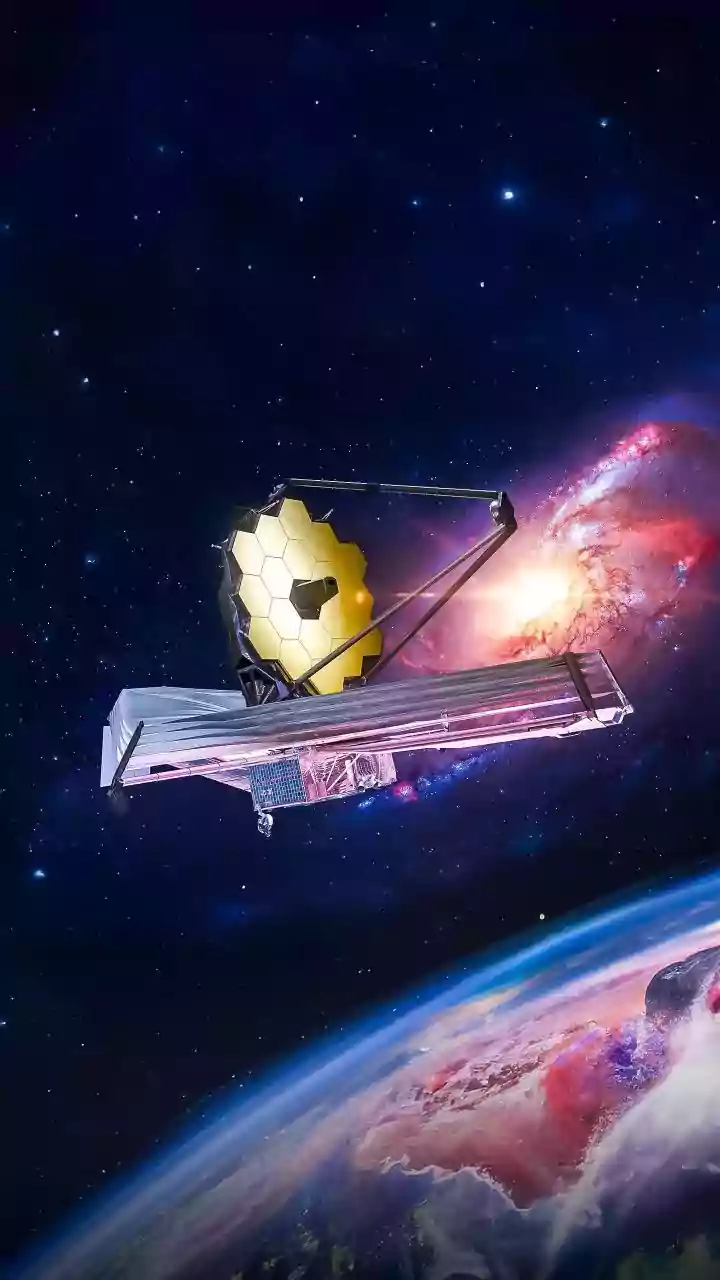
Recent observations from the JWST have focused on planets orbiting dangerously close to their parent stars. While the headline refers to a general trend, specific studies on worlds like GJ 436 b and WASP-107b paint a vivid picture of this phenomenon.
These are not small, rocky worlds like Earth, but larger planets categorised as 'warm Neptunes' or 'super-puffs'. They are located so near their stars that they complete an orbit in a matter of days. This proximity exposes them to intense radiation, which has a dramatic effect on their ability to hold onto an atmosphere.
Cosmic Wind Stripping Worlds Bare
Imagine a constant, violent stellar wind blasting a planet. This is the reality for close-in exoplanets. The high-energy radiation from the host star heats the planet's upper atmosphere, causing it to expand and allowing gases like hydrogen and helium to escape into space. For some planets, this process is so extreme that the escaping atmosphere forms a gigantic, comet-like tail stretching millions of kilometres. Observations of GJ 436 b, for example, revealed an immense cloud of hydrogen bleeding off the planet. Similarly, JWST witnessed WASP-107b shedding its atmosphere so violently that the cloud of escaping gas actually preceded the planet in its orbit. This process, known as atmospheric stripping, can eventually erode a planet’s gaseous envelope entirely.
The Habitability Deal-Breaker
An atmosphere is a non-negotiable for life as we know it. It provides the necessary pressure to allow liquid water to exist on the surface, shields the planet from harmful cosmic rays and stellar radiation, and helps regulate temperature. A world without a significant atmosphere is likely to be a barren, sterilised rock. The JWST's studies confirm that for many planets in the TRAPPIST-1 system, which were once considered promising targets, atmospheres are either thin or non-existent, likely stripped away by their active M-dwarf star. This finding effectively removes many close-in planets, especially those around volatile red dwarf stars, from the list of potentially habitable worlds.
Failure Is Not an Option, It's Data
Finding a barren world might sound like a failure, but in science, it is incredibly valuable. These observations are crucial for testing and refining our models of planetary habitability. By seeing which planets fail to retain their atmospheres and why, astronomers can build more accurate predictions about which types of planets in which types of star systems are the best candidates for life. For instance, the data suggests that the 'habitable zone'—the orbital region where liquid water could exist—is more complex than just temperature. It must also account for the star's activity and the planet's ability to magnetically shield itself. These so-called 'negative' results save precious telescope time by helping scientists avoid worlds that are cosmic dead ends.
Smarter Searching for Tomorrow's Earth
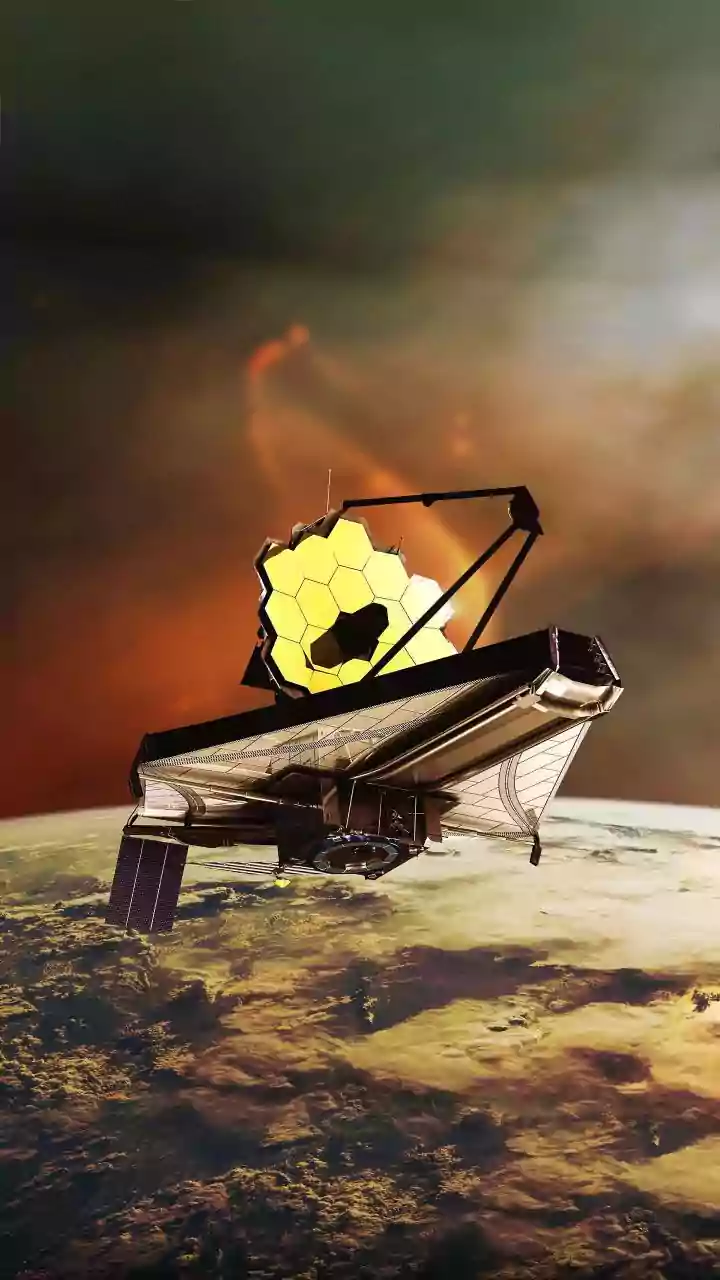
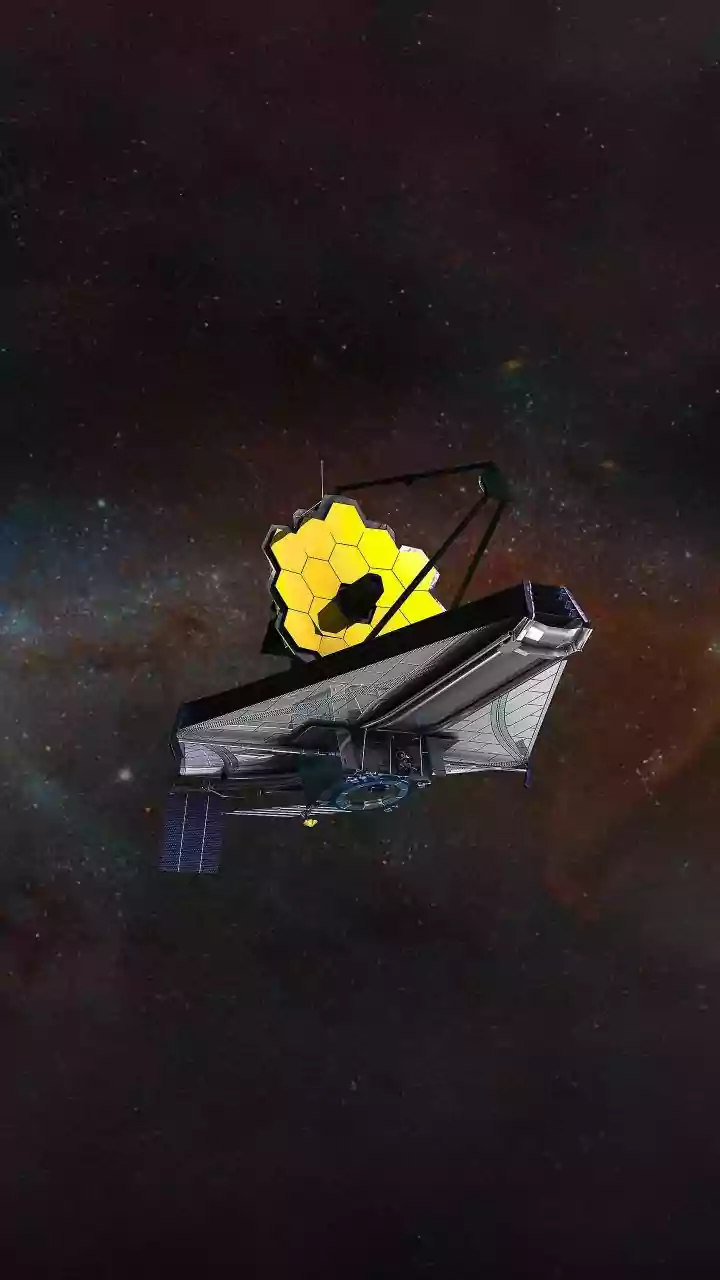
The key takeaway from these JWST studies is not one of disappointment, but of improved strategy. The telescope is not just an instrument for discovery, but a tool for learning how to search more effectively. Astronomers are now better equipped to distinguish between planets that merely occupy the habitable zone and those that are truly habitable. Future observation campaigns will likely shift focus towards planets orbiting further from their stars, or those around more stable, Sun-like stars. While JWST has shown that some rocky planets are inhospitable, it has also detected key molecules like water and methane on others, fueling the ongoing investigation into the building blocks of life. The hunt for another Earth continues, now armed with a much sharper map.