



Why Sugar Is Just a Mask
We’ve all done it. A bitter cup of tea or coffee can be jolting, and a spoonful of sugar seems like the quickest fix. While sugar certainly makes the beverage more palatable by counteracting the bitterness with sweetness, it doesn't solve the underlying
issue. It simply masks the problem. Adding sugar can lead to a new issue: a drink that is cloyingly sweet and has lost all the nuanced, delicious flavours that were supposed to be there. You end up with a sugary drink that vaguely tastes of tea or coffee, rather than a well-balanced brew. The real path to a better cup lies in preventing that excessive bitterness from developing in the first place.
The Chemistry in Your Cup
To understand why your brew turns bitter, we need to look at the science of extraction. When hot water meets tea leaves or coffee grounds, it begins to dissolve various compounds, each at a different rate. The first things to be extracted are the delightful aromas, fruity acids, and initial sweetness. Following those are the compounds that give the drink its body and deeper flavours. The last compounds to be released are the heavier, more complex ones, including tannins in tea and certain chlorogenic acids in coffee, which are primarily responsible for bitterness and astringency. Astringency is that dry, puckering sensation in your mouth, often confused with bitterness but technically a different sensation. When you brew for too long, you are over-extracting your tea or coffee, pulling out an excessive amount of these bitter-tasting compounds and throwing the cup's flavour completely out of balance.
Your Timer Is Your Best Friend
This is where time becomes the most crucial variable you can control. Over-steeping is the single most common cause of bitter tea and a primary culprit for bitter coffee. A timer isn't a fussy, optional tool; it's essential for a consistently great brew. By controlling the exact amount of time the water is in contact with the leaves or grounds, you can stop the extraction process after all the wonderful, sweet notes have been released, but before the bitter ones have a chance to dominate. A 'strong' cup of tea or coffee should come from a proper ratio of coffee/tea to water, not from a longer brewing time. Using more time to get more 'strength' is a common mistake that almost always just leads to more bitterness.
A Practical Guide to Brewing
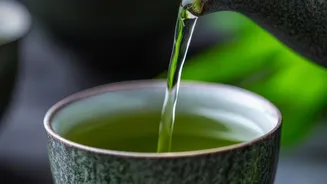
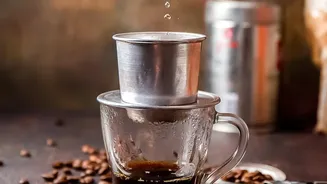
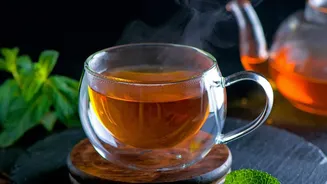
So, how long is the right amount of time? It varies depending on what you're brewing. For tea, a good starting point is using about one teaspoon of loose-leaf tea per 240 ml of water. From there, adjust the time and temperature: Black Tea: Being fully oxidised, it can handle hotter water. Brew at 93–100°C for 3–5 minutes. Going past 5 minutes will bring out astringent tannins. Green Tea: This is much more delicate. Water that is too hot will scorch the leaves. Brew at 70–80°C for only 1–3 minutes. White Tea: Even more delicate than green tea, brew at 70-85°C for 2-5 minutes. Oolong Tea: This varies widely. A good range is 85–96°C for 3–5 minutes. * Herbal Teas: These can usually handle boiling water (100°C) and longer steeping times of 5–10 minutes without becoming bitter. For coffee, time is just as critical and works with grind size. A French press, with its coarse grind, typically needs about a 4-minute steep. Pour-over methods are often in the 2.5 to 4-minute range, while an espresso shot is a rapid extraction of only 20-30 seconds.
Other Factors to Consider
While time is a huge factor, it works in concert with others. Water temperature is its closest partner. Using water that's too hot is like hitting the fast-forward button on extraction, releasing bitter compounds much more quickly, especially with delicate green teas. The amount of tea or coffee you use (your ratio) and the quality of the product also matter. Using higher-quality, whole-leaf tea or freshly ground coffee beans can make a significant difference, as they release their flavours more evenly than the dust and fannings in some tea bags or pre-ground coffee. Even your water quality can play a role, with hard, mineral-rich water sometimes amplifying bitterness.