




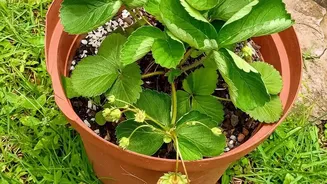
Assess for Waterlogging and Root Rot
The single biggest threat after weeks of rain is waterlogged soil, which suffocates roots and leads to rot. Your first step is a thorough check-up. Look for tell-tale signs: yellowing leaves, a wilting appearance despite wet soil, or a foul, musty smell
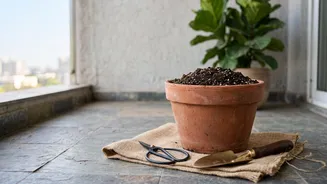
from the pot. If you suspect root rot, gently remove the plant from its pot to inspect the roots. Healthy roots are firm and whitish, while rotting roots will be brown, black, and mushy. If you find rot, use clean scissors to trim away all affected parts, repot the plant in fresh, well-draining soil, and water sparingly until it recovers. Ensure every pot's drainage holes are clear and consider placing pots on stands or bricks to improve airflow and prevent them from sitting in puddles.
Prune and Reshape Your Plants
Monsoon growth can be wild and unruly. Post-monsoon pruning is not about drastic reshaping but about cleaning up and encouraging healthy new growth. Start by removing any dead, damaged, or diseased branches, which often look dry, brittle, or show signs of fungal growth. This cleanup prevents the spread of disease and helps the plant direct its energy efficiently. Also, thin out dense, overcrowded areas to improve air circulation, a crucial step to prevent fungal infections that thrive in the lingering humidity. For flowering plants like hibiscus or roses, deadheading spent blooms will encourage a new flush of flowers. Always use clean, sharp pruning shears to make clean cuts, and avoid removing more than one-third of the plant's growth at once.
Manage Pests and Fungal Infections
High humidity during the monsoon creates a perfect breeding ground for pests and fungi. Be vigilant and inspect your plants, especially the undersides of leaves, for common culprits like mealybugs, aphids, and whiteflies. Fungal issues like powdery mildew (a white, dusty coating) and leaf spot (brown or black spots) are also common. For most minor pest infestations, a strong spray of water or an application of neem oil solution can be effective. Diseased leaves should be removed and discarded immediately—do not add them to your compost pile, as this can spread the pathogens. Good air circulation from proper pruning is one of the best preventative measures.
Replenish Lost Nutrients
Heavy rains can wash away essential nutrients from the soil in your pots, leaving plants weak and nutrient-deficient. The post-monsoon period is the ideal time to fertilize, but timing is key. Wait until the soil is no longer waterlogged and has started to dry out slightly, typically 10-15 days after the heavy rains stop. Start by gently loosening the topsoil with a small fork to aerate it. Replenish nutrients by adding a layer of organic compost or well-rotted vermicompost. These not only feed the plant but also improve the soil's structure and health. For a quicker boost, especially for flowering and vegetable plants, a balanced liquid fertilizer can be used every 15 days. Avoid applying fertilizer directly against the stem, and water lightly after application to help the nutrients reach the roots.
Reintroduce Sunlight and Adjust Watering
After weeks of cloudy skies, the sudden return of intense, direct sunlight can scorch your plants. Acclimatise them gradually. If your balcony receives harsh afternoon sun, you might need to provide temporary shade for a week or two using a green net or by moving sensitive plants to a spot that gets gentle morning sun. At the same time, you must adjust your watering schedule. The cool, moist conditions of the monsoon are gone. As the days get sunnier and warmer, your plants' water needs will increase. However, avoid falling back into a rigid daily watering routine. Always check the soil first. A simple finger test is effective: if the top inch of soil feels dry, it's time to water. Overwatering is still a risk, so ensuring the soil is actually thirsty is crucial for plant health.