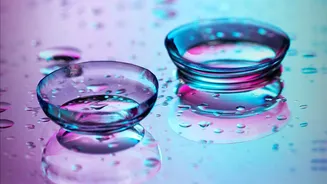


We’ve all been there: out of contact lens solution at an inconvenient time. It might seem harmless to use water as a temporary fix, but this common mistake is one of the biggest risks you can take with your eye health. Here’s what you need to know.
The Hidden Dangers in 'Clean' Water
The
water from your tap is treated and safe to drink, but it is far from sterile. It contains a host of microscopic organisms, including bacteria, fungi, and other microbes. While these are harmless to your digestive system, they pose a significant threat to the delicate environment of your eyes. Contact lens solution is specially formulated to disinfect, clean, and lubricate your lenses, removing harmful deposits and killing germs. Water does none of these things. Instead of cleaning, it can introduce contaminants directly to the surface of your eye, creating a perfect breeding ground for infection.
The Real Threat: Acanthamoeba Keratitis
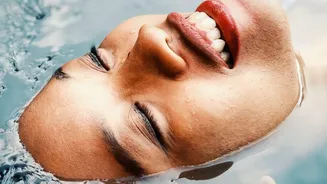
Among the microorganisms lurking in water, the most notorious is a microscopic amoeba called Acanthamoeba. It is commonly found in tap water, lakes, oceans, swimming pools, and hot tubs. If this amoeba gets trapped between your contact lens and your cornea, it can cause a severe and extremely painful infection known as Acanthamoeba keratitis. Symptoms often include severe eye pain, redness, blurred vision, light sensitivity, and the constant sensation of something being in your eye. This condition is notoriously difficult to treat and, in the worst cases, can lead to permanent vision loss or even require a corneal transplant. Contact lens wearers account for a staggering majority—over 85%—of all Acanthamoeba keratitis cases.
Why All Water Is Risky
It's not just tap water that's off-limits. Bottled, distilled, and even homemade saline solutions are not safe substitutes for proper contact lens solution. While you might think distilled water is pure, it can become contaminated with bacteria once the bottle is opened. Furthermore, water of any kind has a different composition from your natural tears. Soft contact lenses are designed to be absorbent, like tiny sponges. When exposed to plain water, they can swell, change shape, and lose their precise fit. This can cause the lens to stick to your cornea, leading to discomfort, microscopic scratches, and an even higher risk of infection by giving bacteria an entry point.
Golden Rules for Contact Lens Safety
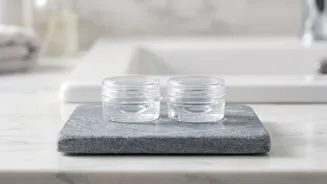
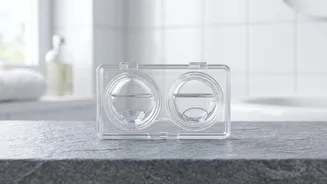
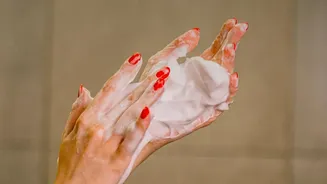
Protecting your vision is straightforward if you follow a few non-negotiable rules. First, always wash and dry your hands thoroughly before handling your lenses. Never allow your contact lenses to come into contact with water—this means removing them before you shower, swim, or use a hot tub. Only use the disinfecting solution prescribed by your eye care professional to clean and store your lenses. When you store them, always use fresh solution; never top off old solution, as this reduces its disinfecting power. Finally, take care of your storage case. It should be rinsed with fresh solution (not water), wiped dry, and left to air out upside down after each use. It's recommended to replace your case at least every three months.