


Prepare for Success
Before you try any drying method, a little prep work goes a long way. As soon as you take off your wet shoes, remove the insoles and loosen the laces. This opens up the shoe, allowing air to circulate more freely and tackling the hidden moisture trapped
inside. If your shoes are muddy, give them a quick wipe-down to prevent dirt from setting in. Shake out any excess water before you begin the drying process. This simple preparation can significantly speed up any method you choose.
The Newspaper Method, Perfected
It’s a time-tested trick for a reason: newspaper is incredibly absorbent. Its porous paper, made from wood pulp, is designed to soak up moisture effectively. For the best results, crumple up sheets of newspaper (avoiding glossy pages with heavy ink that might transfer) and stuff them tightly into your shoes, all the way to the toe. For exceptionally soaked footwear, you may need to replace the damp newspaper with fresh sheets after an hour or two to continue the process. This method not only draws out moisture but also helps the shoe maintain its shape as it dries.
Harness the Power of a Fan
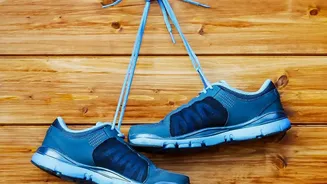
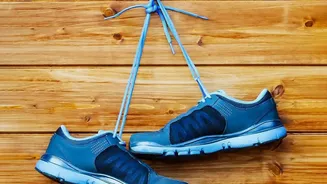
For a faster, more active approach, a simple household fan is one of the quickest and safest ways to dry your shoes. The constant airflow helps evaporate moisture much faster than stagnant air. For optimal results, position your prepared shoes (insoles removed, laces loosened) in front of the fan. You can hang them from the fan's grille using the laces or S-hooks made from a wire hanger, ensuring the air blows directly inside. If you don't have hooks, propping them on their side works well too. Let the fan run for a few hours, and your shoes should be significantly drier.
Use Powerful Desiccants
You can use common household items that are excellent at absorbing moisture. One clever trick involves filling an old sock with uncooked rice or even crystal cat litter, both of which are highly absorbent materials. Tie off the sock and place it inside the shoe. This acts like a large desiccant pouch, pulling moisture from the interior. Similarly, if you save the little silica gel packets that come in new shoe boxes, tossing a few of those into your damp shoes can also help speed up the drying process. These methods are gentle and work well overnight.
What You Must Never Do
The most important rule of drying shoes is to avoid direct, high heat. While it might seem like a quick fix, placing your shoes on a radiator, in front of a space heater, or using a hairdryer can be destructive. The intense heat can cause leather to crack, synthetic materials to warp, and the glue holding the soles together to melt or weaken. Tossing shoes in a clothes dryer is also a bad idea, as the combination of heat and tumbling can permanently damage their structure and fit. Similarly, avoid leaving them in direct sunlight, which can cause fabrics to fade and materials to become brittle. Slow and steady, with good air circulation, always wins the race.