







Beyond the Diaspora: The New Global Stage
The journey of Indian classical dance from temple courtyards to global stages is a story of migration, preservation, and evolution. For decades, performances outside India were largely confined to community halls, serving a nostalgic diaspora audience.
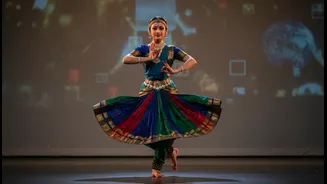
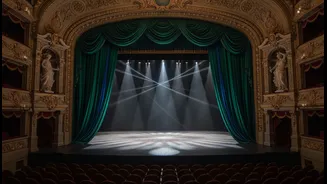
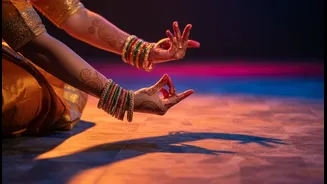
Today, that has fundamentally changed. Prestigious venues that are epicentres of Western classical arts are now hosting major Indian dance events. A prime example is the All-Indian Dance Festival held at New York's iconic Carnegie Hall. Recently, the festival brought together nearly 400 performers from various schools, presenting a dazzling array of forms from Bharatanatyam and Kathak to regional folk dances, playing to a packed auditorium of nearly 3,000 people. These events, often produced in collaboration with Indian consulates and diaspora-led arts organisations like Three Aksha, signal a significant shift: Indian classical dance is no longer a niche interest but a captivating art form for a diverse, international audience.
Festivals as Cultural Incubators
The rise of dedicated diaspora festivals has been crucial in nurturing this global movement. Events like the 'Erasing Borders' Dance Festival in New York, the International Indian Dance Festival in the UK, and 'Kala Utsavam' in Singapore have become vital platforms. They provide a much-needed stage for both established masters and emerging talent, fostering a sense of community and continuity. These festivals are more than just showcases; they are incubators where tradition meets innovation. They serve as a bridge, connecting artists from India with those in the diaspora and introducing the art forms to new, multicultural audiences. By presenting classical dance alongside contemporary interpretations and folk traditions, these festivals celebrate the entire spectrum of Indian movement arts, making them accessible and exciting for people of all backgrounds.
The Torchbearers: A New Generation Reimagines Tradition
At the heart of this global expansion is a new generation of performers, many of whom are second or third-generation diaspora youth. Born and raised in countries like the United States, the UK, or Canada, these young dancers navigate a dual identity. They learn the rigorous, ancient techniques from their gurus while living in a contemporary, multicultural world. For many, learning classical dance is a powerful way to connect with their heritage. But they are not merely replicating what their parents or grandparents practiced. They are artists in their own right, interpreting mythology and movement through their own unique lens. They are asking new questions, collaborating with artists from other disciplines, and using social media to share their passion. This generation ensures that the art form remains a living, breathing tradition, not a museum piece.
From Devotion to Dialogue: Engaging a Wider Audience
As performers and venues have diversified, so too have the audiences. What was once an audience predominantly of Indian origin now includes people from all walks of life, drawn in by the beauty, complexity, and emotional depth of the performances. Teachers and choreographers abroad have become cultural ambassadors, often explaining the intricate stories and spiritual contexts behind the dances to unfamiliar viewers. This act of translation helps build bridges of understanding. Furthermore, some artists are exploring contemporary themes or fusing classical techniques with other forms like ballet or even hip-hop, creating a new vocabulary that speaks to a global sensibility. This willingness to experiment, while maintaining the integrity of the classical core, is key to engaging younger and more diverse crowds, ensuring that the rich tapestry of Indian dance continues to find new admirers across the world.