


The Symphony of the Monsoon
There is a unique rhythm to the Indian monsoon. It’s not just weather; it’s an event. The steady drumming of rain on the roof, the cool breeze that cuts through the humidity, and the earthy smell of petrichor create a sensory tapestry that signals a shift.
Life slows down. The frantic pace of the everyday is momentarily paused, inviting introspection and a retreat indoors. This retreat is not just physical but emotional. As the world outside turns wet and grey, we instinctively seek warmth, light, and comfort within our homes. And more often than not, that comfort is found on a plate.
The Science and Soul of Comfort Food
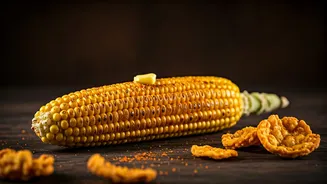
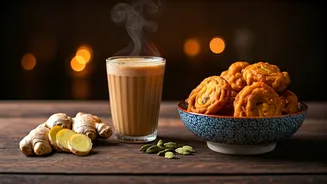
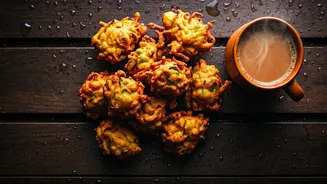
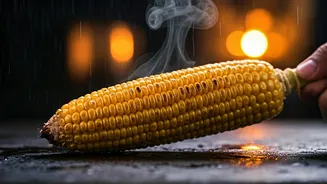
Why do we crave specific foods when it rains? There's a bit of science and a lot of soul involved. Psychologically, we associate certain foods with feelings of safety, love, and nostalgia, often linked to childhood. These are the meals that were prepared for us when we were unwell, or the treats we enjoyed on a lazy Sunday. Biologically, warm, carbohydrate-rich foods can help boost serotonin levels in the brain, the neurotransmitter responsible for feelings of well-being and happiness. This provides a gentle, natural mood lift that counteracts the gloominess of an overcast day. A hot meal provides literal warmth, creating a feeling of coziness from the inside out. In India, this craving translates into a pantheon of monsoon specialities: piping hot pakoras, masala chai, bhutta roasted on coals, and, for many, the ultimate soul-soothing meal: idli-sambar.
Deconstructing the Perfect Pairing
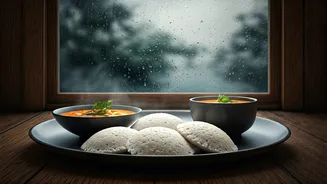
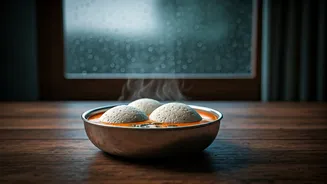
At first glance, idli-sambar might seem like a simple breakfast dish. But its perfection as a comfort food lies in its beautiful contrasts and wholesome nature. The idlis are soft, pillowy clouds of fermented rice and lentil batter—light, easily digestible, and almost neutral in flavour. They are the perfect canvas. Then comes the sambar: a hot, tangy, and fragrant stew of lentils and vegetables, brimming with the warmth of tamarind, turmeric, and a special blend of roasted spices. When a piece of soft idli is submerged in a bowl of steaming sambar, it soaks up the flavour, transforming into a morsel of pure bliss. It’s a textural and gustatory delight—the soft idli melting in your mouth, followed by the complex, spicy, and deeply satisfying warmth of the sambar. It is a complete meal, providing protein from the lentils, carbs from the rice, and vitamins from the vegetables, all in one nourishing bowl.
A Meal Steeped in Memory
For countless Indians, idli-sambar is more than just food; it’s a memory. It’s the aroma of the sambar tempering—mustard seeds popping, curry leaves sizzling—wafting from the kitchen on a rainy school holiday. It’s the image of a mother or grandmother ladling the hot stew over perfectly white idlis. It’s the comforting ritual of sitting by a window, watching the rain lash against the glass, while feeling perfectly safe and content with a warm bowl in hand. This connection to home and family is what elevates it from mere sustenance to an emotional anchor. Each spoonful is a reminder of care, of simple joys, and of a feeling of belonging that no gourmet meal can replicate. This nostalgic power is what makes it the default choice when the soul needs a little bit of TLC.