


The Sun's Unseen Threat
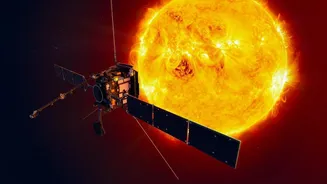
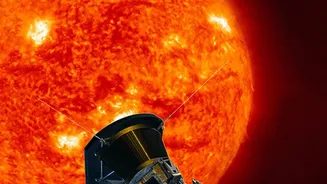
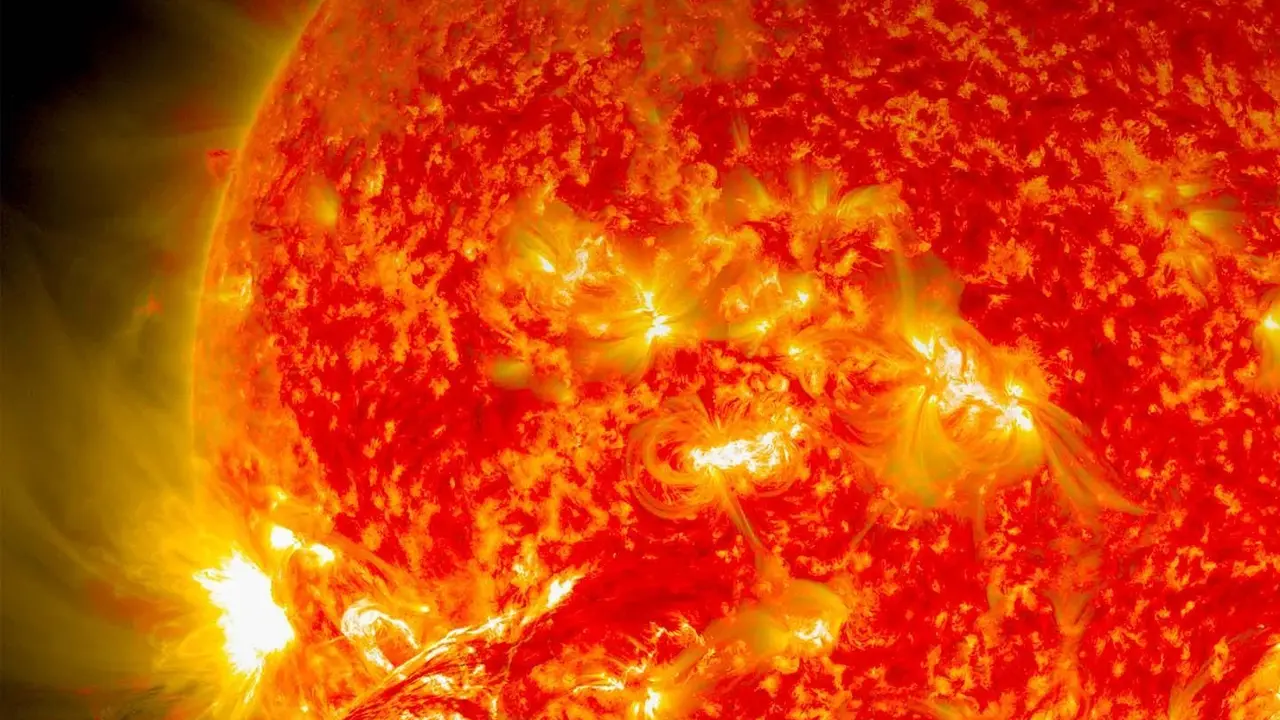
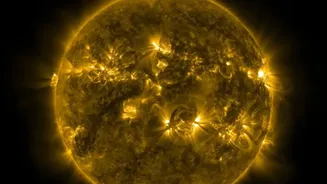
The Sun, while the source of all life on Earth, is also a volatile star. It occasionally releases enormous bursts of plasma and magnetic fields known as Coronal Mass Ejections (CMEs). When a CME collides with Earth's magnetic field, it can trigger a geomagnetic
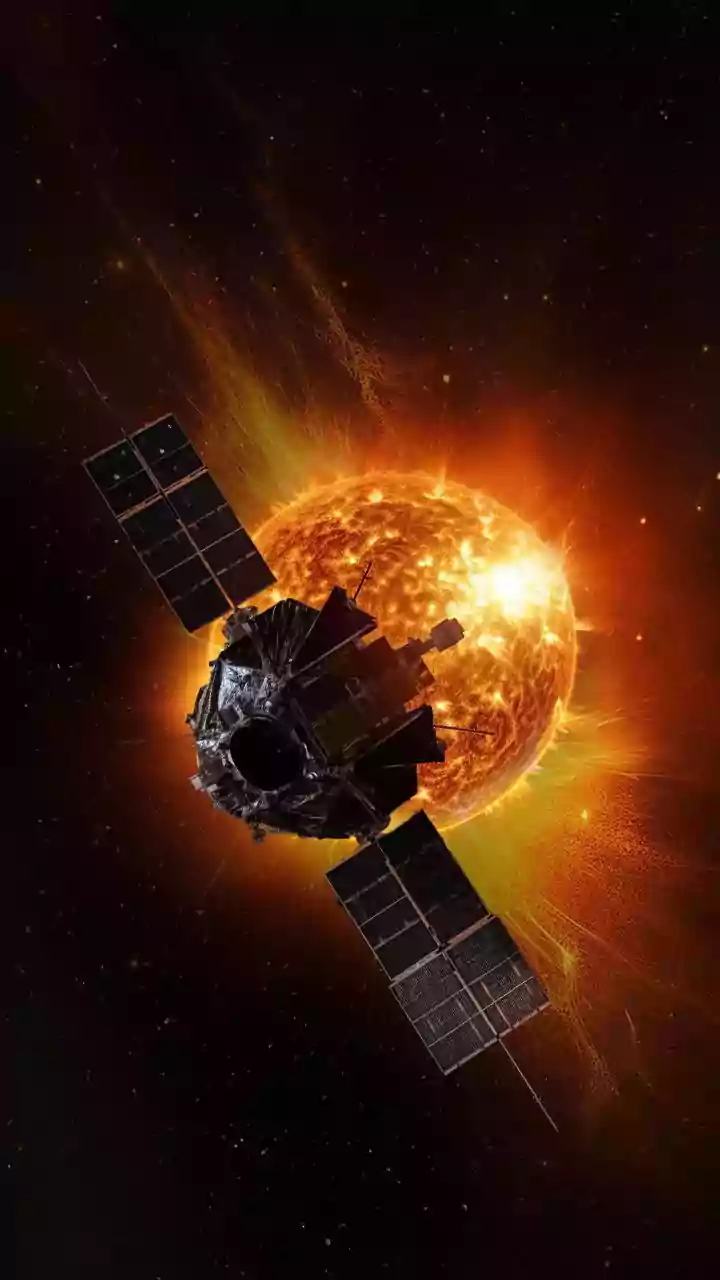
storm. These storms are not dangerous to humans on the ground, thanks to our protective atmosphere and magnetosphere, but they wreak havoc on technology. For satellites, the effects can be devastating, ranging from temporary disruptions to complete failure. Increased atmospheric drag can pull satellites out of orbit, high-energy particles can damage sensitive electronics, and intense electrical currents can cause system burnouts. In February 2022, a single geomagnetic storm was responsible for the loss of 38 commercial satellites.
Earth’s First Line of Defense
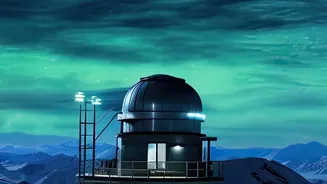
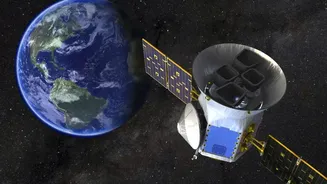
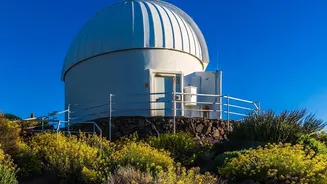
While space-based observatories like NOAA's DSCOVR satellite provide the very first warning by directly sampling the solar wind about a million miles from Earth, they are only part of the solution. The critical task of understanding what happens when a storm actually arrives falls to a global network of ground-based observatories. These facilities are the planet's nervous system, constantly monitoring the health of Earth's magnetic field. The most important instruments in this network are magnetometers, highly sensitive devices that measure minute changes in the direction and strength of the local magnetic field. Hundreds of these are scattered across the globe, from remote islands to the polar regions, feeding data into a coordinated system like INTERMAGNET.
Reading the Magnetic Pulse
Ground observatories don't 'see' the CME traveling through space. Instead, they detect its impact. When the shockwave of a CME hits Earth's magnetosphere, it's like striking a bell. The magnetic field vibrates and contorts, and ground magnetometers register these changes instantly. These fluctuations are the tell-tale sign that a geomagnetic storm is underway. By analyzing data from multiple locations, scientists at organizations like NOAA’s Space Weather Prediction Center (SWPC) can build a real-time picture of the storm's intensity and scale. They translate the raw magnetic data into standardised scales, like the Kp index, which quantifies global geomagnetic activity from 0 (calm) to 9 (extreme).
From Ground Data to Space Alert
The data from these ground stations is crucial for issuing timely and accurate warnings to satellite operators. While a satellite like DSCOVR might give a 15 to 60-minute heads-up that a CME is about to hit, the ground magnetometer data confirms the storm's arrival and its terrestrial intensity. This information allows the SWPC to issue watches, warnings, and alerts. A 'Watch' might be issued days in advance based on observations of the sun, but a 'Warning' or 'Alert' is often triggered by real-time data from both space and ground-based sensors, indicating a storm is imminent or in progress. This gives satellite operators a critical, albeit short, window to react.
Taking Evasive Action
With a reliable warning in hand, satellite operators are not helpless. Forewarned is forearmed. In response to a geomagnetic storm alert, they can take protective measures to mitigate damage. These actions can include powering down non-essential or particularly sensitive electronic components to prevent electrical burnout, reorienting the spacecraft to present a smaller profile to the incoming radiation, or firing thrusters to counteract the increased atmospheric drag that can pull low-Earth orbit satellites down. These preventative maneuvers can be the difference between a satellite weathering the storm and being permanently lost, saving millions of dollars in assets and preventing disruptions to the critical services we rely on.