


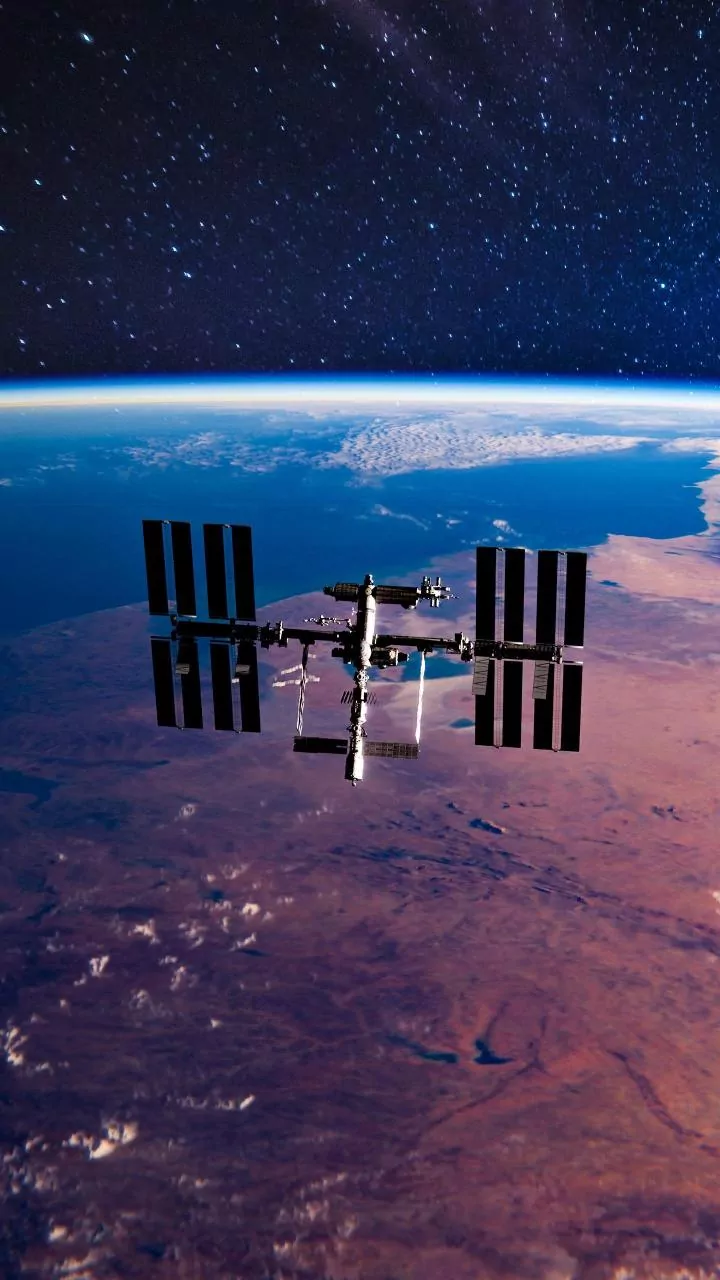

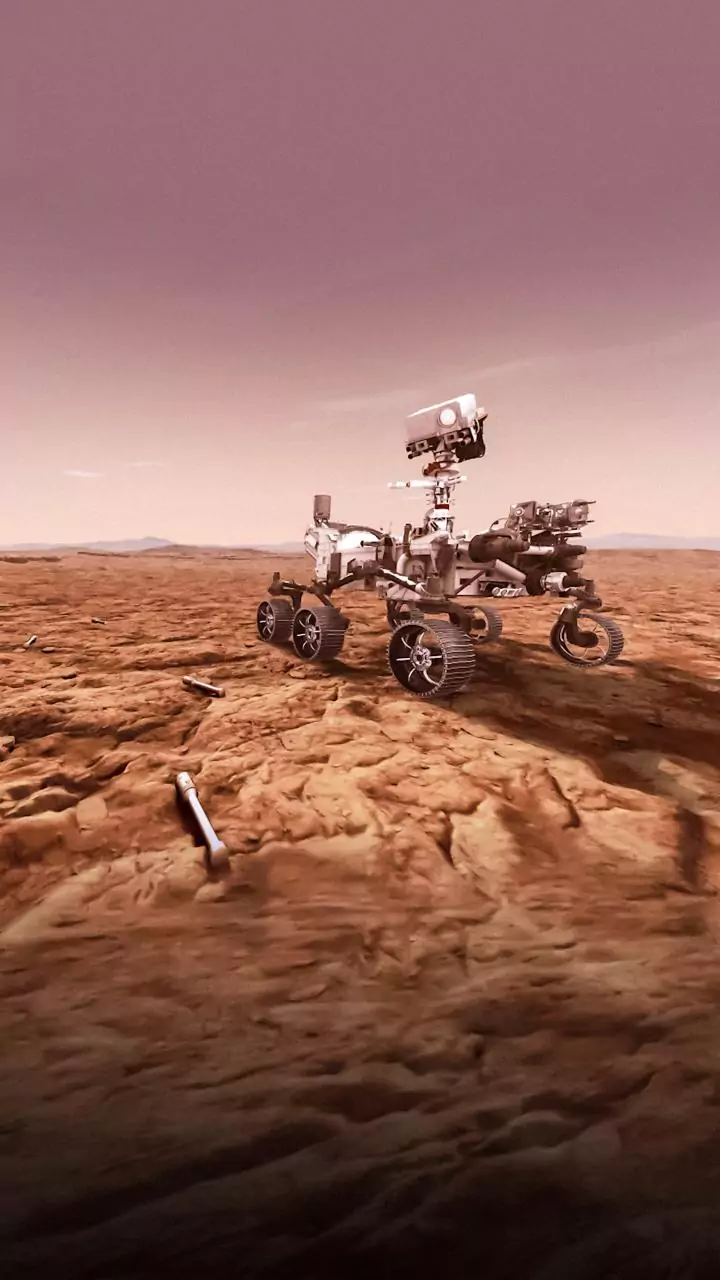
Bringing the first pristine samples of Mars to Earth is a historic quest. But facing rising costs and delays, NASA is now charting a new, more audacious course to retrieve its Martian treasures. The mission is on, but the strategy has changed.
The Original Grand Plan
The initial
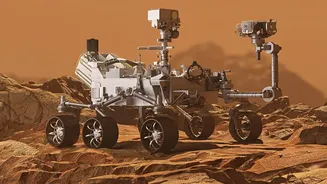
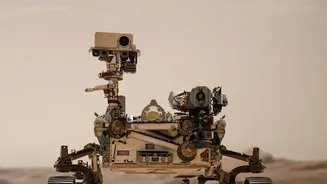
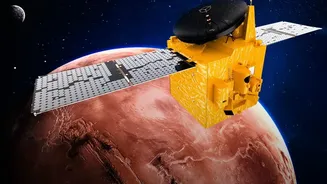
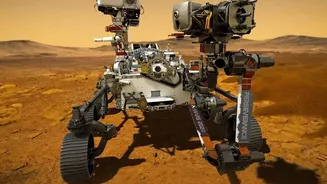
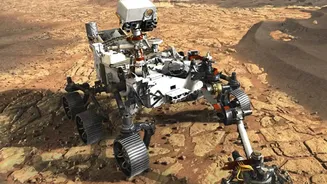
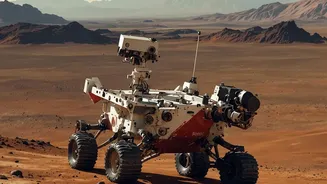
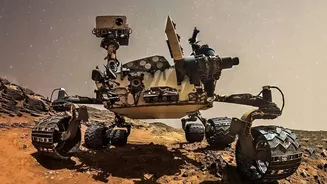
Mars Sample Return (MSR) mission was a multi-act play of unprecedented complexity. First, the Perseverance rover, which landed in Mars' Jezero Crater in 2021, would drill and cache intriguing rock and soil samples. Next, a second mission would land a fetch rover to collect these sample tubes. This rover would transfer them to a Mars Ascent Vehicle (MAV), essentially a small rocket, which would blast off from the Martian surface. Once in orbit around Mars, a third spacecraft, the Earth Return Orbiter built by the European Space Agency (ESA), would capture the sample container and fly it back to Earth for analysis. It was an ambitious, multi-billion-dollar collaboration designed to answer fundamental questions about the Red Planet.
A Mission Hits a Red Light
By 2023, the grand plan was in trouble. An independent review board concluded that the mission's complexity had led to an unrealistic budget and schedule. The estimated cost had ballooned to as much as $11 billion, with a potential return date pushed back to 2040. NASA Administrator Bill Nelson stated plainly that this was 'unacceptably too long' and 'too expensive'. The review gave the existing plan a 'near zero probability' of meeting its launch goals, forcing the agency to pause and fundamentally rethink its approach. The high cost threatened to 'cannibalize' funding for other vital planetary science programs, putting the entire mission's viability at risk.
A Fresh Start
In response, NASA has initiated a major course correction. In early November 2026, the agency announced the Perseverance Sample Retrieval Architecture (PSRA), a new initiative to design a faster, cheaper, and more streamlined mission. This isn't just a minor tweak; it's a complete reassessment. The agency is calling for new, impartial recommendations and is soliciting innovative ideas from its own research centers, the Jet Propulsion Laboratory (JPL), and private industry partners. The goal is to develop a new mission plan by the winter of 2027-2028. While specifics are still being formulated, the focus is on a simpler architecture, potentially involving a single, larger lander to reduce complexity and points of failure.
Why The Samples Are Worth It
The reason for this immense effort lies in the unprecedented scientific prize. The samples collected by Perseverance from Jezero Crater—an ancient lakebed—could contain preserved evidence of past microbial life. Bringing this material back to Earth would allow scientists to analyze it with state-of-the-art laboratory equipment, technology far too advanced to send to Mars. This analysis could revolutionize our understanding of Martian geology, its climate history, and answer the profound question of whether life ever existed beyond Earth. Furthermore, studying the samples can help identify potential hazards in Martian dust and soil, which is crucial for ensuring the safety of future human astronauts.
The New Space Race
Adding pressure to NASA's reset is the progress of other nations. China's Tianwen-3 mission is reportedly on track to launch around 2028 with the goal of returning its own Martian samples as early as 2031. This has been described as a potential 'Sputnik moment', creating a clear sense of urgency for the American-led effort. NASA officials have acknowledged the competition, with Administrator Nelson noting he doesn't want the only Mars sample return to be on a Chinese spacecraft. This geopolitical context adds another layer of strategic importance to NASA's efforts to get its revised plan right, and to do so without further significant delays.