

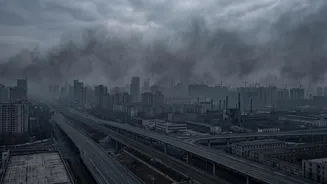
What is GRAP and Why Was It Activated?
The Graded Response Action Plan, or GRAP, is a set of emergency measures that are implemented to combat air pollution in the Delhi-National Capital Region. It is an anticipatory plan, meaning its measures are rolled out in stages to prevent the air from
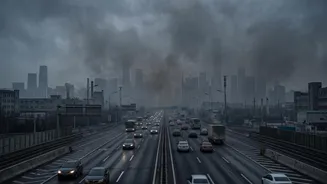
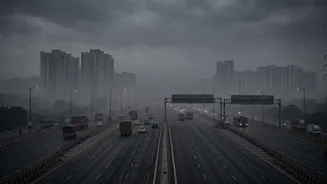
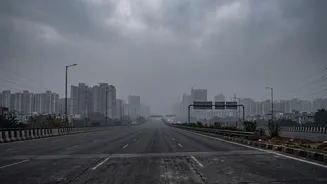
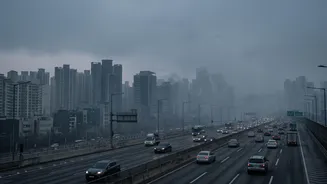
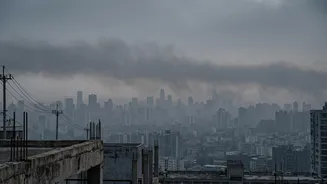
getting worse, rather than waiting for an emergency. The Commission for Air Quality Management (CAQM) invoked Stage 1 on October 21, 2026, after the city's average Air Quality Index (AQI) rose sharply from 179 ('moderate') on October 20 to 244 ('poor') the next day. Forecasts from the India Meteorological Department (IMD) suggest the air quality is likely to remain in the 'poor' category in the coming days, necessitating these early actions.
Key Restrictions Under Stage 1
Stage 1 focuses on curbing major sources of particulate matter like dust and smoke. For residents and businesses, this means several immediate changes. A significant rule is the ban on using coal and firewood in tandoors at hotels, restaurants, and other open eateries. The use of diesel generator sets is also restricted and now only permitted for emergency and essential services as specified by the authorities. Furthermore, there is a strict prohibition on the open burning of any waste, including municipal solid waste and biomass. Authorities have been directed to intensify surveillance at landfill sites to prevent fires. These measures are the least severe in the GRAP framework but are crucial for preventing the AQI from slipping into the 'very poor' category.
Impact on Construction and Transport
For the construction and transport sectors, Stage 1 brings heightened scrutiny. All construction and demolition sites are required to strictly adhere to dust-control norms, which include measures like covering debris and sprinkling water. Mechanised road sweeping and regular water sprinkling on major roads will be increased to manage road dust. While there is no ban on private vehicles, there will be stricter checks for valid Pollution Under Control (PUCC) certificates. To encourage the use of public transport, the Delhi Metro has announced it will run 20 additional train trips on weekdays. Authorities will also focus on improving traffic flow to reduce congestion and vehicle emissions.
What Can Residents Do?
The CAQM has urged citizens to play an active role by following a prescribed citizen charter. This includes simple but effective steps. Ensure your vehicles are properly serviced and have a valid PUCC. Opt for public transport, carpooling, or cycling for shorter distances. Report instances of open waste burning or major construction violations to the relevant authorities through official apps or helplines. Properly dispose of garbage and avoid any form of open burning. For those with respiratory conditions, the elderly, and children, it is advisable to limit prolonged outdoor exposure during early mornings and late evenings when pollution levels are often higher.
A Look Ahead at Higher Stages
GRAP is designed to be incremental, meaning the restrictions under Stage 1 will continue even if higher stages are invoked. Stage 2 is triggered when the AQI enters the 'very poor' range (301-400), leading to stricter measures like parking fee hikes and increased use of public transport. Stage 3 ('severe', AQI 401-450) could bring bans on certain types of vehicles and construction activities, while Stage 4 ('severe plus', AQI >450) involves emergency measures like restricting truck entry into Delhi and considering schemes like odd-even for private cars. By acting now, the goal is to prevent the air quality from deteriorating to these more critical levels.