
What's In the Haze?
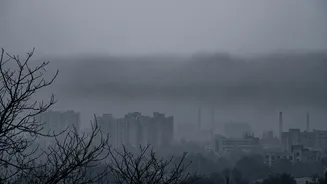
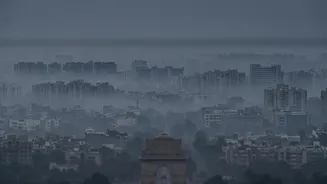
The smog that frequently covers Delhi isn't just fog; it's a toxic cocktail of pollutants. This includes fine particulate matter (PM2.5 and PM10) from vehicle exhaust and construction dust, as well as harmful gases like nitrogen dioxide and sulphur dioxide.
These microscopic particles are the primary culprits behind eye irritation. When they come into contact with the sensitive surface of your eyes, they disrupt the natural tear film that provides lubrication and protection. This disruption is what leads to the classic symptoms of dryness, a gritty feeling, redness, and a persistent burning sensation.
The Real Damage of Rubbing
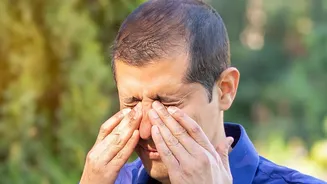
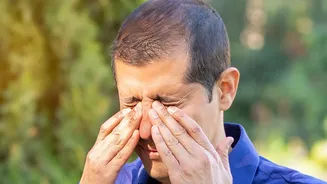
Rubbing your eyes might offer a fleeting moment of relief, but it's a physically damaging act. When you rub, you are essentially grinding these tiny, abrasive pollution particles against your cornea, the transparent outer layer of your eye. This can cause microscopic scratches known as corneal abrasions. Symptoms of a corneal abrasion include pain, the feeling that something is stuck in your eye, extreme redness, and sensitivity to light. Furthermore, your hands carry bacteria and other germs. Rubbing your eyes provides a direct pathway for these contaminants, significantly increasing the risk of infections like conjunctivitis, also known as pink eye.
Safer Ways to Soothe Irritated Eyes
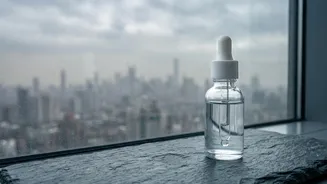
Resisting the urge to rub is crucial. Fortunately, there are several safe and effective ways to find relief. One of the best methods is to use preservative-free lubricating eye drops, often called artificial tears. These drops help flush out irritants and restore moisture to the eye's surface. Another simple yet effective remedy is a cold compress. Soaking a clean cloth in cold water and placing it over your closed eyes for 10-15 minutes can reduce inflammation and soothe the itching. Regularly washing your hands and face also helps remove pollutants that may have settled on your skin and can be easily transferred to your eyes.
Daily Protection is Your Best Defence
Prevention is always better than cure, especially during high-pollution days. When you step outside, wear wraparound sunglasses to create a physical barrier against airborne particles. If you wear contact lenses, consider switching to glasses on days with poor air quality, as lenses can trap pollutants against your eye, worsening irritation. Indoors, using an air purifier with a HEPA filter can significantly reduce the concentration of irritants in your home. Staying well-hydrated by drinking plenty of water helps your body maintain adequate tear production, which is your eyes' natural defence mechanism.
When to See a Doctor
While most mild irritation from pollution subsides once you are in a cleaner environment, some symptoms should never be ignored. If you experience persistent pain, a noticeable change or blurriness in your vision, discharge from your eye, or extreme sensitivity to light, it is essential to consult an ophthalmologist immediately. These could be signs of a more serious issue like a corneal abrasion or a severe infection that requires professional medical treatment. An eye specialist can properly diagnose the issue and provide targeted treatment to prevent long-term damage.