





Understanding Microplastics
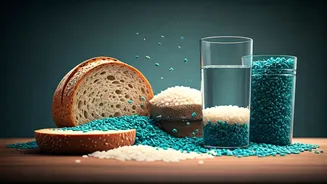
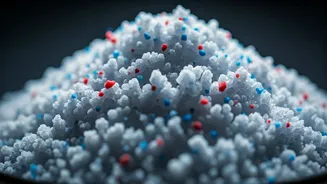
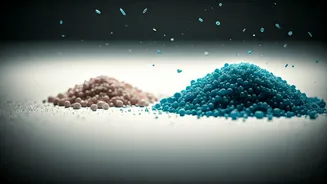
Microplastics are tiny plastic fragments, less than 5 millimetres in size. They come from the breakdown of larger plastic items, like packaging and bottles, or are intentionally manufactured as microbeads in some products. These particles have been found
in water, soil, and air across the globe. Because they are so small and widespread, they can easily find their way into the food we eat and the water we drink. Research into the long-term health effects is ongoing, but studies suggest links to inflammation and other issues, making it wise to minimise exposure where possible.
Rethink Your Kitchen Storage
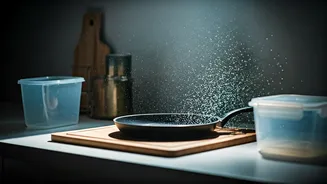
One of the most significant changes you can make is in how you store food. Plastic containers and cling wrap can shed particles, a process that can accelerate with heat and repeated use. Make a gradual switch to glass, stainless steel, or ceramic containers. These materials are non-porous and don't leach chemicals or microplastics into your food. They are generally safer for both reheating and long-term storage, especially for hot, acidic, or oily foods. While plastic is convenient, using glass for leftovers that you plan to microwave is a particularly effective way to reduce exposure.
Choose Fresh Over Packaged
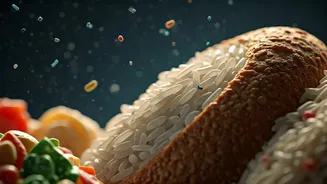
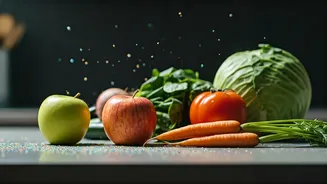
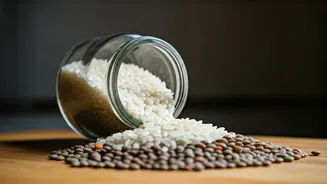
Highly processed and heavily packaged foods are often a greater source of microplastic contamination. The processing itself, along with the plastic packaging, can introduce these particles into the food. Whenever possible, opt for fresh, whole foods. Choosing loose fruits and vegetables over those wrapped in plastic can make a difference. Similarly, buying staples like grains and legumes from bulk bins (using your own reusable bags or containers) can reduce both plastic waste and potential exposure. This approach not only limits contact with packaging but also encourages a diet based on whole, unprocessed ingredients.
Be Smart About Your Water Source
Studies have shown that bottled water can contain significantly higher levels of microplastics than tap water. The particles can come from the bottle itself and the cap. A simple and effective switch is to drink filtered tap water. Investing in a good quality water filter can help remove various contaminants, including some microplastics, and storing it in a glass or stainless steel bottle is an ideal choice for drinking on the go. Boiling tap water has also been shown to help reduce microplastic ingestion. If you must use bottled water, avoid leaving it in a hot car, as heat can increase the leaching of plastic particles into the water.
Adjust Your Cooking Habits
Heat is a key factor in the release of microplastics. Never microwave food in plastic containers, even if they are labelled 'microwave-safe'. This label simply means the container won't melt, not that it won't release particles. Transfer food to a ceramic or glass dish before heating. Also, consider your cooking utensils. Scratched plastic cutting boards can shed particles directly into your food during chopping. Using wooden or bamboo cutting boards is a safer alternative. The same applies to spatulas and spoons; opt for wood or metal, especially when cooking at high temperatures.
Beware of Hidden Plastics
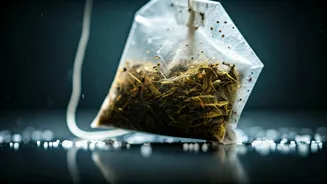
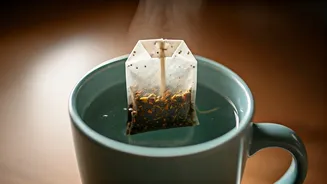
Some sources of microplastics are less obvious. Many teabags, particularly the 'silken' or pyramid-shaped ones, are made of plastic (nylon or PET) and can release billions of particles when steeped in hot water. Choosing loose-leaf tea and using a metal infuser is the safest bet. If you prefer bags, look for brands that explicitly state they are plastic-free and use unbleached paper. Similarly, disposable coffee cups are lined with a thin layer of plastic that can degrade with hot liquid. Using your own reusable mug is a simple way to avoid this daily dose of plastic.