




The Modern Answer to a Traditional Craving
For generations, the sizzle of a kadai filled with hot oil has been the sound of celebration, comfort, and evening chai-time. From flaky samosas to crunchy pakoras, deep-frying is central to Indian snacking. Yet, with a growing focus on health and wellness,
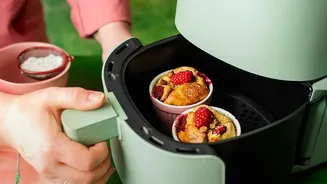
many are seeking ways to reduce oil consumption without sacrificing flavour. Enter the air fryer, a countertop appliance that has rapidly become a staple in modern Indian homes. By circulating superheated air, it promises the golden, crispy texture of fried food using a fraction of the oil—often just a single teaspoon. This technology bridges the gap between our craving for traditional tastes and the desire for a healthier lifestyle, reducing the fat and calorie content of snacks significantly.
Samosa: The Undisputed Champion
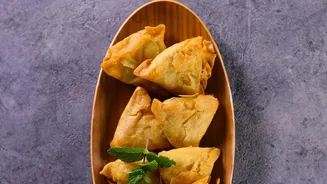
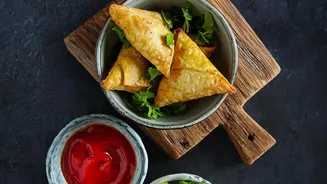
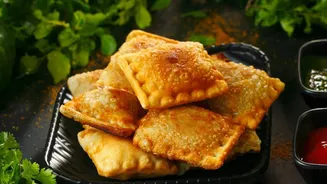
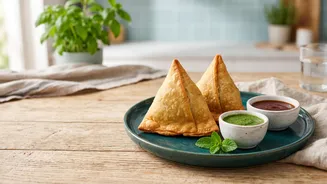
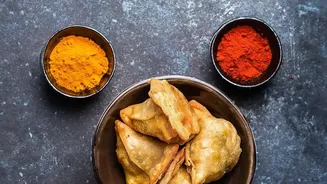
The ultimate test for any frying alternative is the samosa. Can it replicate that perfect balance of a shatteringly crisp pastry and a soft, spiced potato filling? The air fryer passes with flying colours. Air-fried samosas, especially when made from frozen, achieve a texture that is remarkably close to their deep-fried counterparts. A light brush of oil on the pastry is all it takes. The hot air crisps the outer layer beautifully while the inside steams to perfection. The result is a snack with up to 42% fewer calories and significantly less fat, making that second (or third) helping a much less guilty pleasure.
Pakora and Vada: Adapting the Batter
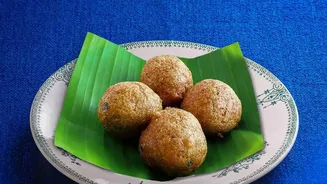
Snacks with wet batters, like pakoras and vadas, require a slight change in technique. In a deep fryer, the hot oil instantly seals the batter, holding its shape. In an air fryer, a runny batter can drip through the basket. The key is to make the batter thicker than you normally would. For onion pakoras, a thicker besan mix helps it cling to the vegetables. For medu vada, some recipes suggest chilling the batter to make it firmer and easier to shape before air frying. While the texture might be slightly different—more like a baked fritter than a deep-fried one—the flavour remains authentic, delivering a satisfying crunch without the oil slick.
Tikkis and Cutlets: The Crispy Coating Secret
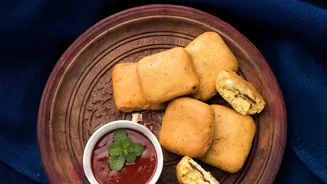
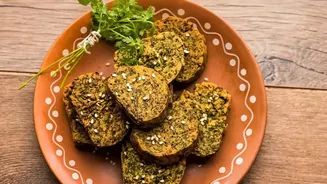
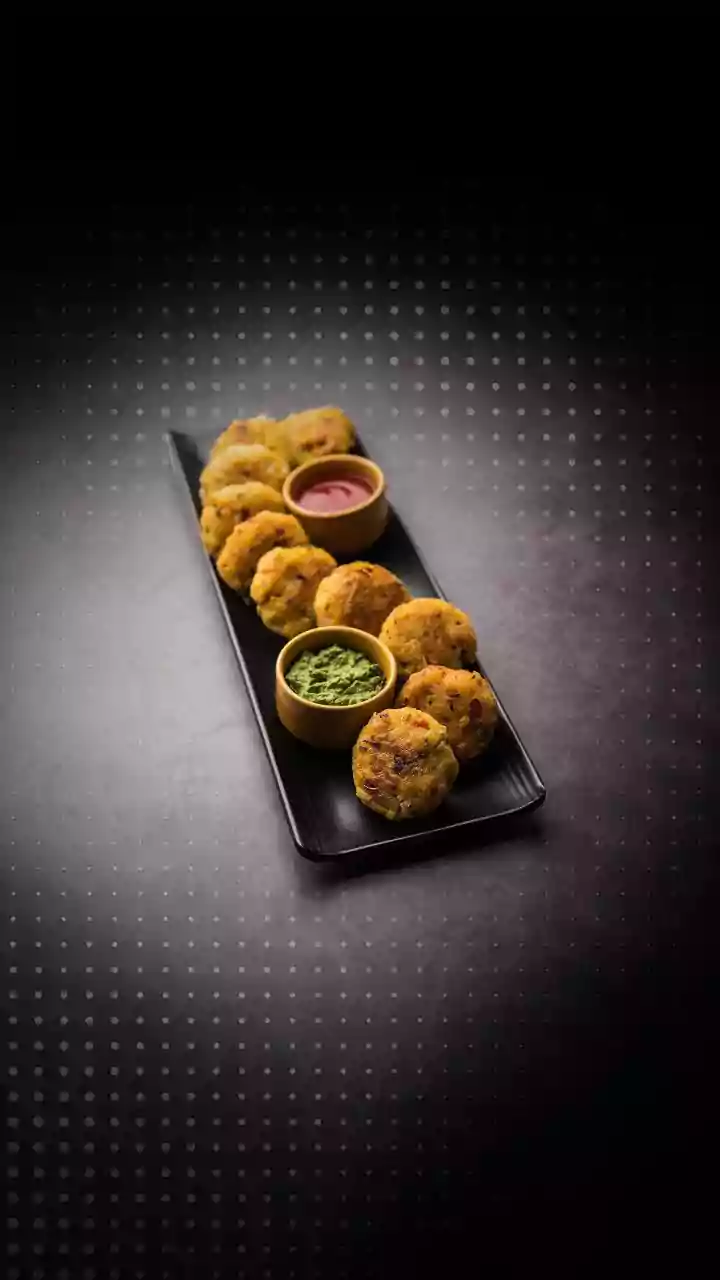
For potato-based snacks like aloo tikki and vegetable cutlets, the air fryer is a game-changer. The secret to a perfect air-fried tikki is often the addition of a binding agent like breadcrumbs directly into the potato mixture. This helps create a wonderfully crisp exterior that holds its shape. For cutlets, the classic method of dipping in a slurry and coating with breadcrumbs works perfectly. It's recommended to refrigerate the coated cutlets for about 20 minutes before air frying; this simple step helps the coating set and prevents the cutlet from crumbling when flipped. The result is a snack that’s golden and crunchy on the outside and soft and flavourful on the inside.
Paneer Tikka: Better Than the Original?
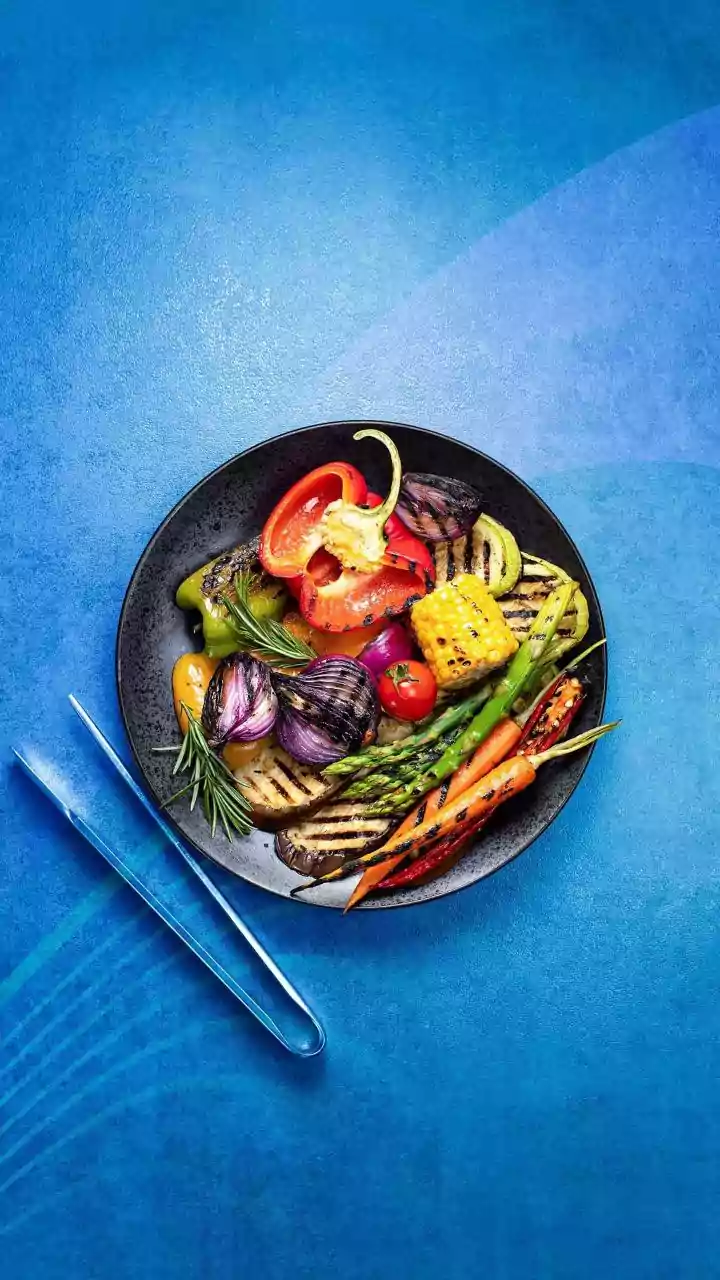
While not traditionally deep-fried, paneer tikka is a dish where the air fryer truly shines, replicating the high-heat environment of a tandoor. The hot, circulating air gives the marinated paneer cubes and vegetables those coveted charred edges while keeping the inside soft and juicy. Many argue that air-fried paneer tikka is not just a healthier alternative, but a superior cooking method to pan-frying, which can often result in dry or rubbery paneer. For the best results, marinate the paneer well and thread it onto skewers for even cooking. Soaking wooden skewers in water beforehand will prevent them from burning.
Tips for Air-Frying Success
Mastering the air fryer for Indian snacks is easy if you follow a few simple rules. First, always preheat your air fryer for 3-5 minutes; placing food in a cold basket leads to steaming, not crisping. Second, don't overcrowd the basket. Cook in a single, even layer to allow the hot air to circulate properly and crisp all surfaces. Third, use a little oil. While the goal is low-fat cooking, a light brush or spray of oil is essential for achieving that golden-brown finish and perfect crunch. Finally, remember to shake the basket or flip the snacks halfway through the cooking time to ensure they cook evenly on all sides.