


What Is This Celestial Dance?
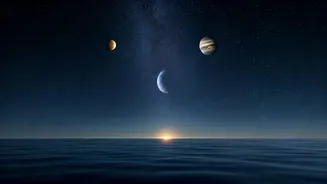
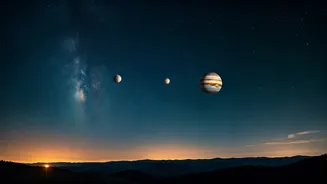
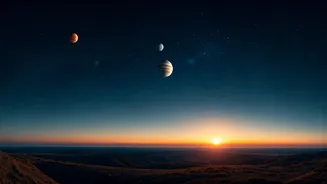
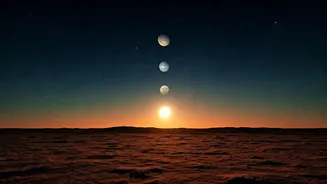
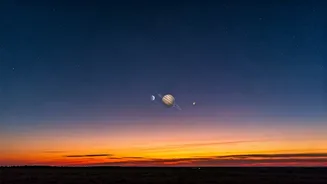
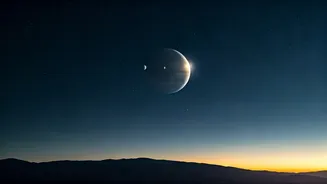
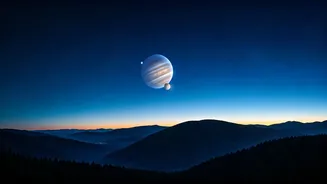
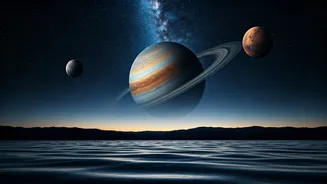
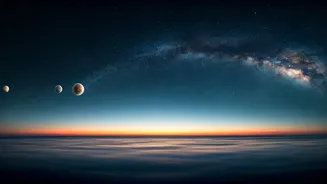
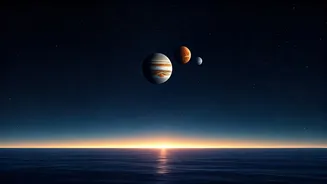
What you're seeing is a planetary conjunction. In simple terms, this is when two or more planets appear very close to each other in our sky from our vantage point on Earth. They aren't actually close in space — they remain millions of kilometres apart
on their own orbits — but their alignment makes for a stunning visual. The headline’s “dancing” metaphor is perfect; as the days go by, their positions shift relative to each other, creating a dynamic and changing spectacle near the horizon just after sunset or before sunrise.
Meet the Dancers: The Three Planets
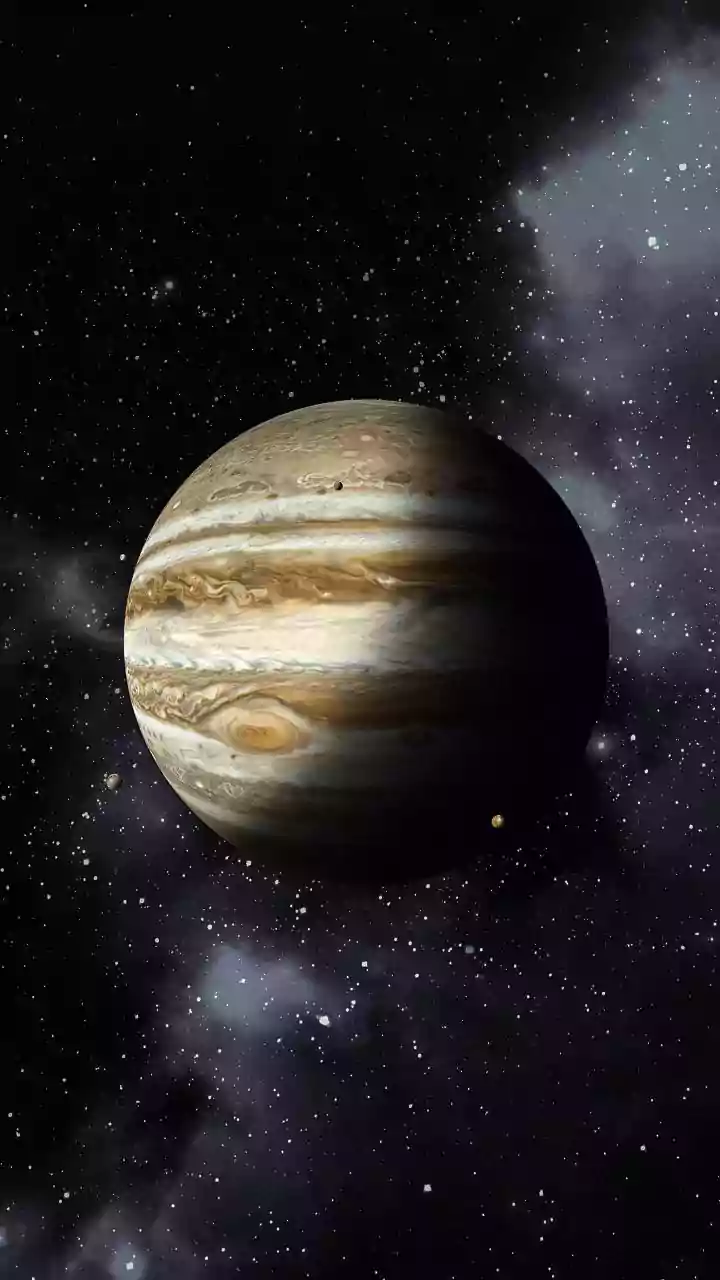
This particular event features three distinct celestial bodies. First is Jupiter, the king of the planets. It will likely appear as the brightest, most steadfast point of light. Then there's Venus, often called the “Evening Star” or “Morning Star.” It’s the second-brightest object in the night sky after the Moon, so it’s impossible to miss when it’s visible. Finally, there's Mercury. This is the real prize for stargazers. As the closest planet to the Sun, it’s often lost in the solar glare and is notoriously difficult to spot. Seeing it alongside the brilliant beacons of Venus and Jupiter is a rare treat.
When Is the Best Time to Look?
Timing is everything for this event. Because Mercury is involved, the viewing window is short and specific. You need to look during twilight. The best opportunity is approximately 30 to 60 minutes after the sun has fully set. Look towards the western horizon, the same direction where the sun disappeared. As the sky darkens from deep blue to inky black, the planets will pop into view. If you wait too long, they will dip below the horizon. The key is to be ready and patient right as dusk settles.
Where Should You Go to Watch?
Your location matters almost as much as your timing. The ideal spot has an unobstructed view of the western horizon. This means no tall buildings, trees, or hills blocking your line of sight. City dwellers might find this challenging due to light pollution and infrastructure. If possible, try to get to a higher vantage point like a rooftop or a balcony facing west. For the best possible view, consider a short drive to the outskirts of your city or town, away from the bright city lights. A park or open field with a clear western view is perfect.
What Equipment Do You Need?
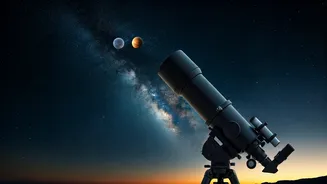
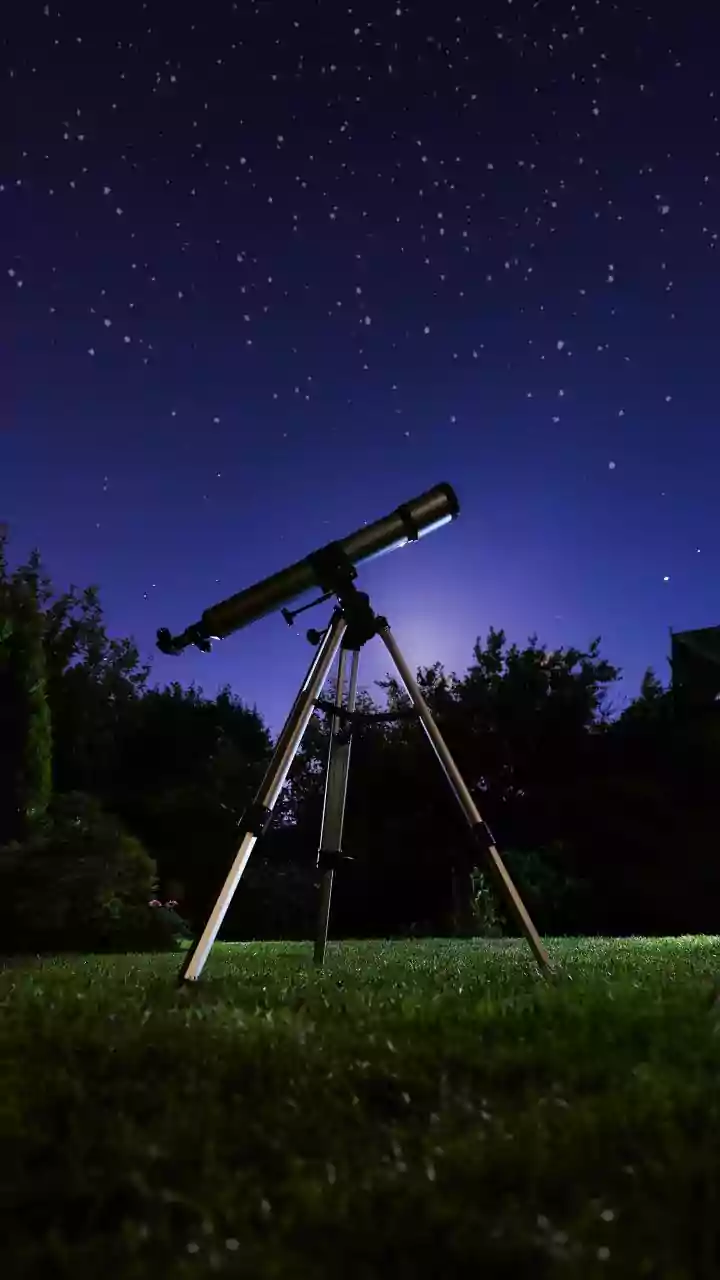
The best part about this planetary conjunction is that you don't need any fancy equipment. Venus and Jupiter are so bright that they are easily visible to the naked eye, even from moderately light-polluted areas. Mercury will be fainter but still visible without aid if you know where to look. However, if you have a pair of binoculars, bring them! Binoculars will make the planets appear sharper and more distinct. They will especially help in pulling the faint glow of Mercury out from the twilight haze. A telescope is not necessary and can sometimes make it harder to see the entire grouping at once.
A Simple Step-by-Step Viewing Guide
Ready to go? Here’s a quick plan. First, check your local sunset time. Plan to be at your chosen viewing spot about 15 minutes after sunset. Face west. As the sun’s glow fades, Venus will be the first “star” to appear. It will be exceptionally bright. Jupiter will be nearby, also very bright but perhaps slightly less so than Venus. The challenge is Mercury, which will be the faintest of the three and closest to the horizon. Scan the area around Venus to find it. Stargazing apps on your phone (like Stellarium or SkyView) can be incredibly helpful. Just point your phone at the sky, and the app will identify the planets for you.