
Beyond Idli and Paratha
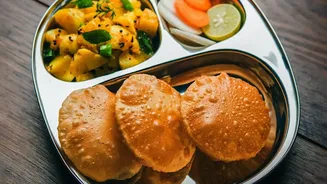
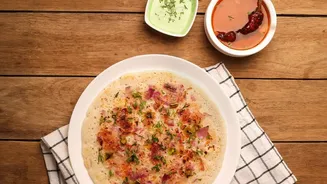
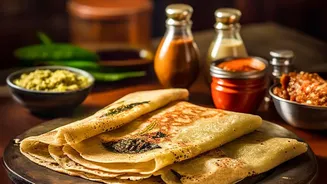
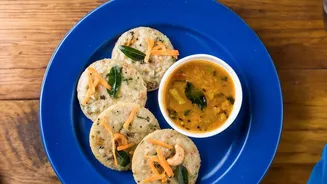
For decades, the national breakfast landscape was neatly divided. North India woke up to parathas, chole bhature, and puris, while the South was defined by idli, dosa, and vada. These dishes became cultural ambassadors, available in restaurants from Mumbai
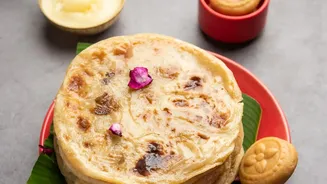
to Delhi. But now, a second wave of regional breakfast stars is emerging. Lesser-known, hyperlocal specialities are breaking out of their home states and appearing in cafes and home kitchens across the country, signalling a collective curiosity for deeper, more diverse Indian flavours.
The Southern Wave
Leading this culinary migration are dishes from Kerala that go beyond the universally loved dosa. Take appam, the bowl-shaped, lacey crepe made from fermented rice batter. Paired with a mildly spiced vegetable or meat stew, it offers a light yet comforting start to the day. Then there’s puttu, a steamed cylinder of ground rice and coconut, traditionally served with kadala curry (a black chickpea curry). Once confined to Malayali homes, both dishes are now gaining traction in cities like Bangalore and beyond, celebrated for their unique textures and reliance on gentle steaming rather than frying. These meals represent a nuanced, more authentic taste of the South that a growing number of Indians are eager to explore.
Maharashtra's Morning Glory
It’s not just the South influencing morning menus. From Maharashtra, misal pav is conquering hearts and taste buds nationwide. This fiery dish consists of a curry made from sprouted moth beans (usal), topped with a spicy gravy (tarri), crunchy farsan, and chopped onions, all scooped up with soft pav. Its complex layers of texture and flavour—spicy, tangy, and savoury all at once—make it an unforgettable experience. While Puneri misal is milder and Kolhapuri misal is famously spicy, the dish in all its forms has become a celebrated street food and breakfast item far beyond its origins, embodying the rustic and bold spirit of Maharashtrian cuisine.
What's Fuelling the Trend?
Several factors are driving this delicious exchange. Increased domestic travel and urban migration have exposed more people to regional cuisines at their source, creating a demand for these flavours back home. Social media and food bloggers have also played a huge role, turning hyperlocal dishes into aspirational meals. Furthermore, there's a growing movement towards healthier and more diverse eating habits. Many of these traditional breakfasts, like the steamed puttu or fermented appam, are naturally light and nutritious. This convergence of curiosity, exposure, and a focus on wellness has created the perfect environment for these regional gems to shine.
From Niche to Mainstream
This trend is more than just a passing fad; it reflects a deeper cultural integration. Restaurants are increasingly confident in offering authentic, specific regional dishes, moving away from a one-size-fits-all approach to Indian food. At home, access to online recipes and the availability of regional ingredients on e-commerce platforms have empowered home cooks to experiment. The rise of hyperlocal food isn't just about what's on the plate; it’s about preserving culinary traditions and sharing the stories of India's diverse communities with a wider audience. It’s a celebration of a nation’s palate becoming broader, more knowledgeable, and more adventurous.