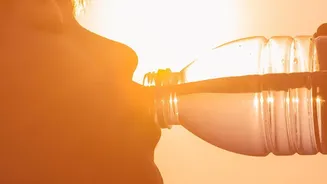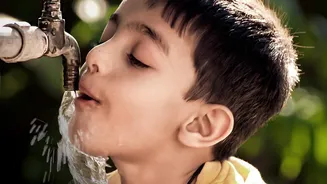







When the temperature drops, reaching for a glass of water is often the last thing on our minds. Yet, winter dehydration is a common, sneaky problem that can affect everything from your energy levels to your skin's health. Here’s why it happens.
The Sneaky Causes of Winter Dehydration
It’s easy
to associate dehydration with summer heat and sweat, but winter has its own set of risks. A primary cause is that our thirst response is less active in the cold. Your body can be losing fluids without sending you the usual urgent signals to drink up. Another major factor is the dry air. Both the crisp outdoor air and heated indoor environments have low humidity, causing you to lose significant moisture just by breathing. You can see this water loss as visible breath in the cold. Furthermore, we wear heavy layers to stay warm, which can lead to 'hidden' sweating. Unlike in summer, this sweat often evaporates quickly or gets absorbed by clothing, so you don't feel sticky and may not realise you're losing fluids.
Beyond Thirst: Subtle Signs to Watch For
Since you may not feel thirsty, it’s crucial to recognise other, more subtle signs of low fluid intake. Many of these are common winter complaints that are often blamed on the weather itself. Persistent headaches, for example, can be a key indicator, as fluid loss can affect blood volume and pressure. Feeling unusually tired, foggy, or having trouble concentrating are also classic signs that your body needs more water to function optimally. Even mood swings and irritability can be linked to dehydration. If you're experiencing that 'midday slump', a lack of water might be the true culprit.
Check Your Skin and Lips
Your skin is a great barometer for hydration levels. While some winter dryness is normal, dehydration can cause persistent issues that moisturisers alone can't fix. Watch for skin that feels unusually tight or flaky. Similarly, chronically chapped lips that don't seem to improve with lip balm can be a sign that your body needs hydration from the inside out. Reduced saliva production can also lead to a consistently dry mouth, which is another tell-tale sign of dehydration.
The Most Reliable Indicator: Urine Colour
One of the most straightforward ways to check your hydration status is by paying attention to your urine. If you're well-hydrated, your urine should be a pale, straw-like yellow. Dark yellow or amber-coloured urine is a clear sign that your body is conserving water and you need to drink more fluids. In addition to colour, take note of frequency. Urinating less often than what is typical for you is another indicator that your fluid intake is too low.
Simple Tips to Stay Hydrated
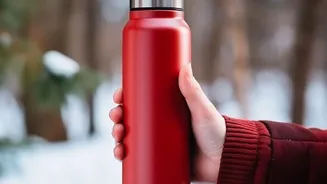
Staying hydrated in winter requires a more conscious effort. Don't wait until you feel thirsty; sip water throughout the day. If cold water is unappealing, warm beverages like herbal teas, warm water with lemon, or even low-sodium broths are excellent alternatives that contribute to your fluid intake. You can also 'eat' your water by consuming hydrating foods like soups, stews, and fruits such as oranges and apples. Carrying a reusable water bottle can serve as a constant visual reminder to drink. For extra flavour, try infusing your water with slices of fruit or mint.