





It’s a familiar story: you return from the market with vibrant, beautiful produce, only to find it wilted or spoiled just days later. But with a few simple strategies, you can extend the life of your fruits and vegetables significantly.
Understand the Ripening Culprit: Ethylene Gas
One of the biggest
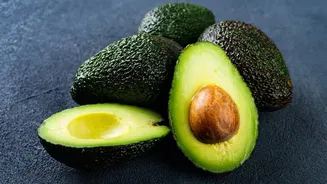
factors in produce spoilage is a natural, invisible gas called ethylene. Some fruits are high ethylene producers, and they act as ripening agents for the produce around them. Storing these next to ethylene-sensitive vegetables can cause premature yellowing, softening, and decay. Key ethylene producers include apples, ripe bananas, avocados, peaches, pears, and cantaloupes. To prevent a chain reaction in your crisper drawer, make it a rule to store these fruits separately from sensitive items like leafy greens, broccoli, carrots, and cucumbers. Giving ethylene producers their own space is a simple but powerful way to keep everything else fresher for longer.
Know Who Likes It Cold (And Who Doesn't)
Not all produce belongs in the refrigerator. While most fruits and vegetables benefit from the cold, some suffer in texture and flavor. Store leafy greens, berries, apples, broccoli, and carrots in the fridge. Items like potatoes, onions, and garlic, however, should be kept in a cool, dark, and dry place with good air circulation, like a pantry. Storing potatoes and onions together is a common mistake; the gases from onions can cause potatoes to sprout faster. Tomatoes and bananas should be left on the counter, as the cold can make them mealy and inhibit their flavor development. Many fruits like peaches, pears, and avocados can be ripened on the counter and then moved to the fridge to halt the ripening process and extend their life.
Master Your Refrigerator’s Crisper Drawers
Those two drawers at the bottom of your fridge are designed for more than just storage; they control humidity. Most crispers have adjustable vents. Use one as a high-humidity drawer (vent closed) and the other as a low-humidity drawer (vent open). The high-humidity environment is perfect for produce that wilts, like leafy greens, fresh herbs, cucumbers, and broccoli, as it helps them retain moisture. The low-humidity drawer allows ethylene gas to escape and is the ideal home for those ethylene-producing fruits like apples and pears. Separating your produce this way creates micro-climates that cater to different needs, dramatically improving shelf life.
The Right Way to Wash and Prep
While it seems proactive, washing most produce as soon as you get home can accelerate spoilage. Moisture is a breeding ground for mold and bacteria. As a general rule, you should only wash fruits and vegetables right before you plan to eat or cook them. Berries are particularly susceptible to mold when washed prematurely. The exception to this rule is hearty leafy greens like kale or romaine. If you want to prep them for easy salads, wash and dry them thoroughly—a salad spinner is excellent for this—and then store them in a container lined with paper towels to absorb any lingering moisture. This method can keep greens crisp for up to a week.
Preserve Nutrients Before and During Cooking
Nutrient retention starts with smart storage but extends to your cooking methods. Heat, light, and oxygen are the primary enemies of vitamins. Once produce is cut, its exposure to air begins to degrade nutrients, particularly Vitamin C. To slow this, you can squeeze a little lemon juice on cut fruits and vegetables and store them in an airtight container. When cooking, methods that use less water are generally better for preserving water-soluble vitamins. Steaming, roasting, and stir-frying are superior to boiling, which can cause nutrients to leach into the water. If you do boil vegetables, consider using the nutrient-rich cooking water in a soup or sauce to reclaim some of those lost vitamins.